
Mastering the art of pruning is what separates the casual gardener from the professional agronomist who understands the architecture of the tomato vine. You must be willing to remove healthy-looking parts of the plant to direct the energy towards the most important goal: high-quality fruit production. Pruning is not about harming the plant, but rather about guiding its growth and improving the environment within the canopy to prevent disease and pest infestations. A well-pruned tomato plant is a beautiful and efficient machine that rewards your careful cuts with a concentrated and flavorful harvest.
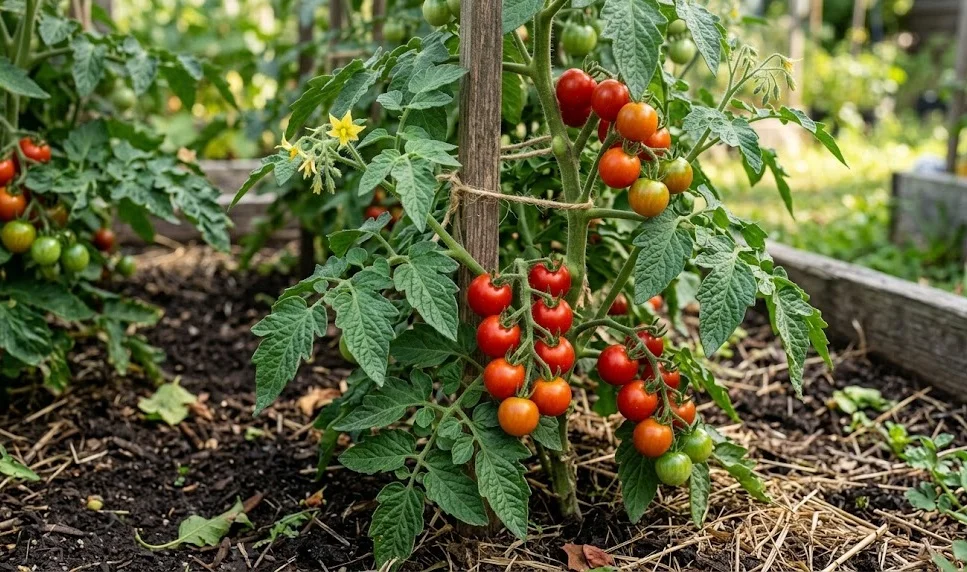
The most common form of pruning for indeterminate tomatoes is the removal of “suckers,” which are the small shoots that grow in the junction between the main stem and the leaf branches. You should ideally remove these when they are small enough to be pinched off with your fingers, typically when they are less than five centimeters long. Allowing every sucker to grow will result in a massive, tangled bush with many small, low-quality fruits and very poor air circulation throughout the center of the plant. By maintaining a single or double main stem, you ensure that the plant’s resources are focused on the primary fruit clusters where they can do the most good.
Airflow and light penetration are the primary biological reasons why you should be diligent with your pruning shears throughout the entire spring and summer. A dense canopy of leaves traps moisture and creates a humid microclimate that is the perfect breeding ground for fungal spores like blight and powdery mildew. By thinning out the foliage, you allow the wind to dry the leaves quickly and the sun to reach the ripening fruit in the middle of the vine. This proactive management strategy significantly reduces the need for chemical sprays and leads to a much cleaner and healthier growing environment for your professional crop.
Timing your pruning sessions is just as important as the technique itself, and you should always wait for a dry, sunny day to perform any significant cutting back. Pruning in the rain or when the dew is still heavy on the leaves can easily spread bacterial and viral diseases from one plant to another through the open wounds. The sun helps the cuts “cauterize” and heal quickly, forming a protective callus that keeps pathogens out of the plant’s vascular system. This simple professional habit is one of the most effective ways to maintain a disease-free garden while still practicing intensive plant management and training.
Strategic leaf removal and maintenance
As the tomato plant grows taller and begins to set fruit on the lower clusters, you should begin to remove the “foundation” leaves that are closest to the ground. These bottom leaves are often the first to be infected by soil-borne diseases that splash up during irrigation or heavy rainstorms. By clearing the bottom thirty centimeters of the stem, you create a “clear zone” that makes it much harder for pathogens to climb up the plant and infect the healthy new growth. This practice also makes it much easier to see the base of the plant for watering and to check for signs of pests like slugs or cutworms.
More articles on this topic
Once the fruit in a specific cluster has reached its full size and begun to change color, you can also remove the leaves that are shading that specific area to improve ripening. This allows the sun to warm the fruit directly and encourages the development of sugars and aromatic compounds that define a truly great tomato. You should be careful not to remove too many leaves at once, as the plant still needs a certain amount of foliage to perform photosynthesis and provide energy for the rest of the vine. A good rule of thumb is to never remove more than one-third of the total foliage at any given time to avoid stressing the plant.
Deadheading, or removing spent flowers that have failed to set fruit, can also help the plant stay focused on its productive branches during the middle of the season. You should also look for any leaves that show signs of yellowing, spots, or mechanical damage and remove them immediately to keep the plant looking and feeling its best. This “sanitary pruning” prevents small problems from becoming large ones and ensures that the plant is not wasting energy on tissue that is no longer contributing to its overall health. Regular maintenance of the foliage is a hallmark of a professional grower who takes pride in the appearance and productivity of their garden.
In the late summer, you may want to perform a more aggressive “topping” of your indeterminate vines to encourage the final fruits of the season to ripen before the first frost. This involves cutting off the growing tip of the main stem about four to six weeks before you expect the weather to turn cold. By stopping the plant’s vertical growth, you force it to send all its remaining energy into the existing green tomatoes rather than making new flowers that will never have time to mature. This strategic move ensures that you get the maximum possible yield from your plants before the growing season officially comes to an end.
Tools and techniques for precision pruning
Using the right tools for pruning is essential for making clean cuts that heal quickly and do not cause unnecessary trauma to the delicate tissues of the tomato vine. You should invest in a pair of high-quality micro-tip snips or small bypass pruners that can easily fit into the tight spaces between the branches and the main stem. It is vital to keep these blades sharp and to disinfect them with alcohol between every plant to prevent the accidental spread of systemic diseases through your garden. A professional approach to tool maintenance is just as important as the pruning itself when it comes to long-term plant health and success.
More articles on this topic
When removing a sucker or a leaf, you should make the cut as close to the main stem as possible without damaging the “collar” or the bark of the plant. Leaving a long “stub” can lead to rot and provide an entry point for pests, while cutting too deep can interfere with the plant’s ability to transport water and nutrients. A clean, flush cut is the professional standard and will heal over in just a day or two under normal summer conditions. If you are removing a larger branch, you might need to use a slightly larger pair of shears, but the same principles of cleanliness and precision still apply to every single cut.
Pruning determinate or “bush” varieties requires a much lighter touch than the intensive training used for indeterminate vines that grow into long ropes of foliage. Determinate tomatoes produce all their fruit at once and then stop growing, so removing too many branches can significantly reduce your total harvest for the entire season. You should only remove the very bottom leaves for airflow and perhaps a few of the internal branches if the bush becomes so dense that the center cannot get any light or air. Understanding the growth habit of your specific tomato variety is the first step in deciding how much or how little to prune during the summer months.
Training your plants to a trellis or stake as you prune is a continuous process that requires you to check on your garden at least once or twice every week. You should gently tie the main stem to the support structure using soft twine, ensuring that the tie is loose enough to allow the stem to thicken as the plant matures. As you remove the suckers, you can guide the remaining vine into the desired shape, whether you are growing against a flat wall or up a vertical string. This combination of pruning and training creates an organized and professional-looking garden that is both highly productive and easy to maintain throughout the peak of the season.
Seasonal pruning for long-term health
In the early spring, your pruning should be focused on helping the young plant establish a strong and balanced frame that can support the weight of the future harvest. You might choose to leave two main stems instead of one to increase the total number of fruiting sites, especially if you have a long growing season and plenty of garden space. This early decision-making process sets the stage for the rest of the year and determines how you will manage the plant as it grows into its full adult size. Strategic early pruning is the foundation of a professional management plan that leads to consistent and high-quality results year after year.
During the height of the summer, your focus shifts to maintenance and disease prevention through regular thinning and the removal of any stressed or unproductive foliage. This is the busiest time for pruning, as the warm weather and long days encourage rapid growth that can quickly get out of hand if you are not vigilant with your shears. You should walk your rows daily, looking for new suckers that seem to appear overnight and checking the density of the canopy for any signs of trapped moisture. Staying on top of these small tasks prevents the need for major, stressful “hacking” of the plants later in the season.
As the autumn approaches and the light begins to fade, your pruning becomes a tool for managing the plant’s final energy reserves and preparing for the end of the harvest cycle. This is when you perform the “topping” mentioned earlier and begin to remove any new flower clusters that have no hope of turning into ripe fruit before the frost. This final stage of pruning is a mindful process of winding down the garden and ensuring that every bit of the plant’s hard work is captured in the final baskets of tomatoes. It is a rewarding end to a long season of careful stewardship and professional agricultural practice in your own backyard.
Reflecting on your pruning successes and failures at the end of every year is how you grow as a gardener and refine your techniques for the future. You might find that some varieties responded better to heavy pruning, while others preferred a more natural and less-disturbed growth habit in your specific local climate. Keeping a garden journal where you note these observations allows you to build a personal body of professional knowledge that is tailored to your own land and preferences. Pruning is a lifelong skill that you will continue to perfect with every season you spend among the vines of your favorite tomato plants.