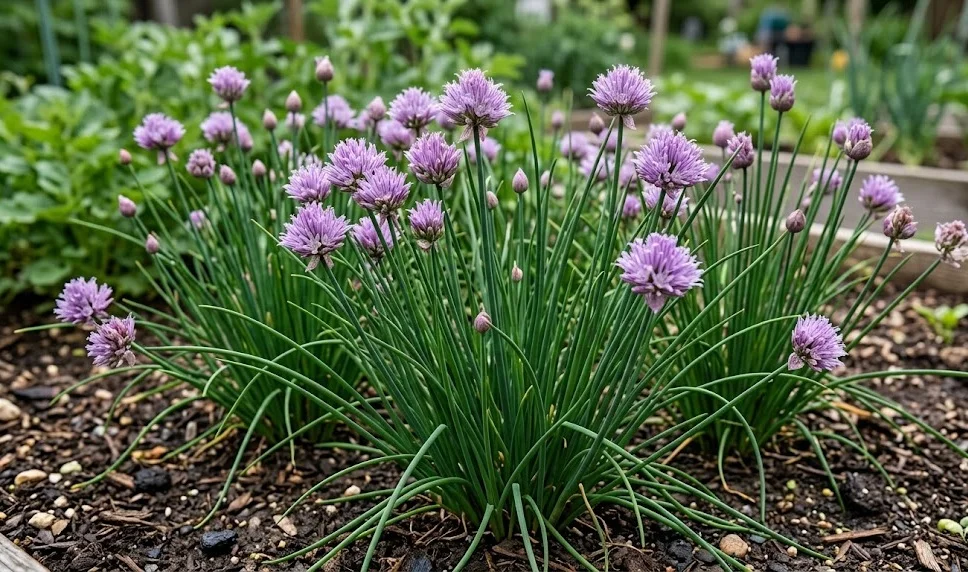

Understanding the light requirements of chives is fundamental to ensuring they grow with the deep green color and intense flavor that gardeners desire. Light is the primary source of energy for all plants, and for herbs like these, it directly influences the production of essential oils and structural integrity. While they are often described as adaptable, providing them with the professional standard of light will yield far better results than just “making do.” By positioning your plants correctly in relation to the sun, you can maximize their health and culinary potential.
In a professional gardening context, the term “full sun” usually means at least six to eight hours of direct, unobstructed sunlight each day. Chives absolutely love this level of exposure and will respond with rapid growth and strong, upright stalks. If they receive too little light, they can become “leggy,” meaning they grow long, thin, and weak as they reach toward the nearest light source. This not only makes them less attractive in the garden but also makes them more prone to flopping over in the rain or wind.
The quality of the light is just as important as the quantity when it comes to the long-term success of your herb patch. Morning sun is particularly beneficial because it is less intense than the scorching afternoon heat and helps to dry the dew off the leaves quickly. This early drying is a key strategy for preventing the fungal diseases that thrive in damp, shaded environments. If you have to choose between morning and afternoon sun, the morning light is often the professional choice for maintaining a healthy and disease-free garden.
However, gardening is rarely about perfect conditions, and many of us have to work with varying degrees of shade in our yards. Chives are surprisingly tolerant of partial shade, provided they still receive a few hours of bright light during the day. In very hot climates, a bit of afternoon shade can actually be a benefit, as it prevents the plants from becoming overly stressed by the extreme heat. Balancing the need for energy with the need for protection is a hallmark of an experienced and observant gardener.
Ideal exposure and garden placement
When planning your herb garden, take a few days to observe the movement of shadows across your property throughout the day. You want to identify the spots that stay bright the longest, especially during the peak growing months of spring and summer. Placing your chive patch in one of these high-light areas will ensure that they have the energy required for constant harvesting. A southern or southwestern exposure is typically the best option for those living in the northern hemisphere.
More articles on this topic
Avoid planting your herbs too close to large trees or heavy shrubbery that will compete for both light and soil resources. The “dappled shade” found under a tree canopy might look pretty, but it often isn’t consistent enough for these sun-loving perennials to reach their full potential. Furthermore, the root systems of larger plants can quickly rob the soil of the moisture and nutrients that your herbs need. Give your chive clumps their own dedicated space where they can soak up the sun without competition.
If you are gardening in a city or on a balcony, the reflection of light from walls and windows can also play a significant role in your plant’s development. Light-colored walls can bounce extra sunlight back onto your herbs, effectively increasing the total amount of energy they receive. This “bonus light” can be a great help if you are working with a site that is otherwise slightly too shaded. Professional urban gardeners often use these architectural features to their advantage when growing light-hungry crops in small spaces.
Remember that the angle of the sun changes significantly throughout the year, meaning a spot that is sunny in June might be in deep shadow by September. When you first plant your chives, try to anticipate these seasonal shifts to ensure they get enough light for as much of the year as possible. While they can handle some late-season shade as they prepare for dormancy, they need those bright spring and summer days to build up their energy reserves. Strategic placement is a long-term investment in the productivity of your garden.
Low light adaptation and signs
If your garden is naturally more shaded, you can still grow successful chives by adapting your care routine to the lower light levels. Plants in lower light grow more slowly, so you should be a bit more conservative with your harvesting to ensure the plant can maintain its health. You may also find that the flavor is slightly milder and the texture is more tender than plants grown in full, intense sun. This is not necessarily a bad thing, depending on your personal preferences for culinary use.
More articles on this topic
One of the most obvious signs that your herbs are not receiving enough light is a pale, yellowish-green color instead of a deep, vibrant emerald. This indicates that the plant is struggling to produce enough chlorophyll to meet its energy needs. If you see this happening, you might consider moving the plant to a brighter location or trimming back any overhanging vegetation that is blocking the sun. Professional observation allows you to catch these visual cues before the plant becomes seriously weakened.
Leggy or “floppy” growth is another clear indicator of insufficient light exposure in your herb bed. When a plant doesn’t get enough sun, it produces longer cells in an attempt to reach upward, resulting in thin stalks that lack structural strength. These weak plants are much more likely to be damaged by pests or collapsed by a heavy watering or rainstorm. In such cases, providing a temporary light-reflecting surface or relocating the clump is the professional recommendation to restore the plant’s vigor.
For those growing chives indoors on a windowsill, light is almost always the limiting factor for success. Most standard windows filter out some of the spectrum that plants need, and the duration of light is often shorter than in the open garden. To compensate, you can use a small, full-spectrum LED grow light for a few hours each day to supplement the natural sun. This ensures that your indoor herbs remain just as strong and flavorful as their outdoor cousins, regardless of the weather outside.
Impact of light on flavor and health
The intensity of the sunlight is directly correlated with the concentration of the sulfur-containing compounds that give chives their signature onion-like punch. Plants grown in very bright conditions tend to be much more aromatic and flavorful than those grown in the shade. This is because the plant produces these compounds partly as a defense mechanism and partly as a byproduct of its high metabolic activity in the sun. If you want the strongest possible flavor for your cooking, full sun is the only way to go.
Light also plays a critical role in the plant’s ability to resist pests and diseases through the development of a thick cuticle, or outer waxy layer. A plant with plenty of energy can afford to build these strong physical barriers, making it much harder for insects to pierce the stalks or fungi to take root. In contrast, “shade-grown” herbs often have thinner, softer cell walls that are much more inviting to aphids and other common garden pests. Professional health management starts with providing the right amount of solar energy.
The production of flowers is another process that is heavily dependent on the amount of light the plant receives. You will notice that chives in sunnier spots will bloom more prolifically and much earlier in the season than those in the shade. While the flowers are beautiful and edible, they do take a lot of energy from the plant to produce. By understanding the relationship between light and flowering, you can better manage your plants to achieve the specific results you want in your garden.
Finally, consistent light exposure helps to regulate the overall growth habit and neatness of the chive clump. Plants that receive even light from above will grow into a balanced, symmetrical tuft that is both aesthetically pleasing and easy to harvest. If the light is only coming from one side, the plant will lean and become lopsided over time. Rotating container plants or ensuring open space in the garden will keep your herbs looking professional and performing at their absolute peak.