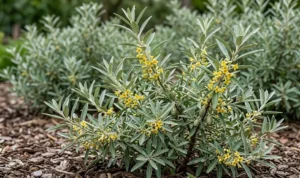
Preparing your figleaf gourd for the winter months is a specialized task that depends heavily on your local climate and your goals for the next season. While these plants are often grown as annuals in many regions, they are actually perennial in nature and can be preserved through the cold months with the right techniques. You must understand that a hard frost will quickly destroy the lush green foliage and the watery vines that you have nurtured all summer. Taking action before the first true freeze is the key to successfully saving the core of the plant for a head start in the spring.
In milder climates where the ground does not freeze deeply, you can often overwinter the figleaf gourd directly in the garden bed. You should start by cutting the vines back to within a few inches of the main crown once the first light frost has caused the leaves to yellow. Covering the base of the plant with a thick layer of dry straw or wood chips provides a protective thermal blanket for the root system. This insulation keeps the underground parts of the plant dormant but alive until the soil begins to warm up again in the spring.
If you live in a region with severe winters, you will need to consider lifting the rootstock and moving it to a more protected environment. This process involves carefully digging around the main stem to preserve as much of the central root mass as possible without causing too much physical damage. You should then place the roots into a container filled with slightly damp sand or peat moss to keep them from drying out completely during their winter sleep. Storing this container in a cool, dark place like a basement or an unheated garage is a professional way to manage the dormancy period.
Throughout the winter, you should check on your stored rootstock every few weeks to ensure that it remains in good condition. You want the storage medium to be just barely moist; if it feels bone dry, a tiny amount of water can be added to prevent the roots from shriveling. On the other hand, too much moisture can lead to rot, so it is a delicate balance that requires a professional touch and a bit of intuition. Seeing the firm, healthy roots surviving the winter is a great sign that your overwintering strategy is working exactly as planned.
Cold tolerance and protective structures
The figleaf gourd has a surprising amount of cold tolerance compared to many of its relatives, but it still has its limits that you must respect. It can often survive light frosts that would kill a standard pumpkin or cucumber vine, which gives you a bit more flexibility in your autumn schedule. However, you should not push your luck if a significant cold front is moving in with temperatures well below freezing for several nights in a row. Providing temporary cover with a heavy garden fabric can buy you a few extra days of growth if the fruit is still maturing.
More articles on this topic
Using a cold frame or a small unheated greenhouse can provide an ideal transition space for plants that you are trying to keep alive through the winter. These structures trap the sun’s energy during the day and provide a buffer against the biting winds of a winter night. You might notice that the plant stays green much longer in these protected spaces than it would in the open garden. This extra protection allows the plant to build up its internal reserves before it enters a deeper state of dormancy.
For those with limited space, you can also take cuttings from your best vines in the late summer and keep them as small houseplants through the winter. This method requires a bright window or a simple grow light to keep the small clones active while the world outside is covered in snow. While they won’t grow as vigorously as they would in the summer, these indoor plants provide a genetic bridge to the next growing season. This professional technique ensures that you never lose a particularly productive or resilient plant strain.
Managing the humidity around your overwintering plants is just as important as managing the temperature of their environment. Indoor air in the winter can be very dry, which can stress the leaves of a plant that is used to the humid conditions of a summer garden. You can use a simple water tray or a humidifier to keep the air around your plants from becoming too parched. A professional approach to winter care considers all aspects of the plant’s environment to ensure it emerges in the spring ready to grow.
Spring awakening and recovery tasks
As the days begin to lengthen and the risk of frost starts to fade, you can begin the process of waking up your overwintering figleaf gourds. If your plants have been stored in the dark, you should gradually introduce them to brighter light over the course of a week or two. You will notice tiny green buds starting to appear on the crown or the stored stem segments, which is a very exciting moment for any dedicated gardener. This is the signal that the plant is ready to start its new cycle of growth.
More articles on this topic
If you have kept the rootstock in a container, you can move it into a warmer spot and begin giving it small, regular waterings to encourage new growth. You should avoid giving the plant too much fertilizer at this early stage, as the new roots are still delicate and need time to establish themselves. Once the new shoots are a few inches long, you can begin to harden the plant off for its eventual return to the outdoor garden. This transition phase is vital for ensuring the plant doesn’t suffer from the sudden change in conditions.
For those plants that stayed in the ground under mulch, you should carefully clear away the protective layer once the soil temperature consistently stays above ten degrees Celsius. You might find new shoots already pushing through the earth, reaching for the first warmth of the spring sun. Giving the area a light weeding and a small application of compost provides the perfect environment for the plant to reclaim its space. It is truly remarkable to see how quickly a mature root system can produce a massive amount of new vine growth.
The primary advantage of overwintering is that these established plants will often flower and produce fruit much earlier than those started from seed. You are essentially giving your garden a two-month head start on the season, which can lead to a much larger and more mature harvest. A professional grower values this efficiency and the resilience that comes with a multi-year plant. Your winter efforts will be rewarded with a lush, green canopy that covers your garden beds before the heat of summer even arrives.
Post-winter evaluation and strategy refinement
Every winter is different, and you should take the time to evaluate which of your overwintering methods were most successful for your specific location. Did the plants in the cold frame do better than the ones in the basement, or did the mulch provide enough protection in the garden? Keeping a professional log of these outcomes allows you to refine your strategy and focus your efforts on the techniques that work best for you. Gardening is a lifelong learning process, and the winter months provide a unique perspective on the resilience of nature.
You might find that some varieties of figleaf gourd are naturally more hardy than others when faced with a cold winter. Noting these differences can help you select the best seeds or clones to work with in the future as you build a more robust garden. A professional approach to agricultural management always looks for ways to improve the genetic strength and adaptability of the crops. Your observations over several winters will turn you into a true expert on the local needs of this fascinating plant.
Sometimes a plant may not survive the winter despite your best efforts, and it is important to understand why this might have happened. Was the storage area too damp, leading to rot, or did a sudden extreme freeze penetrate your protective layers? Identifying the cause of failure is just as valuable as celebrating a success, as it prevents the same mistake from happening again next year. A professional grower views every season as an opportunity to build a deeper and more effective knowledge base.
Finally, remember that overwintering is an optional technique that adds a layer of complexity and reward to your gardening experience. Even if you choose to start fresh from seed every year, understanding the perennial nature of the figleaf gourd enriches your appreciation for its incredible vigor. Whether you are protecting a single rootstock or managing a whole collection of winter clones, your dedication to the craft is what makes the garden thrive. The cycle of the seasons is a professional challenge that keeps the work of a gardener forever interesting.