
Protecting your crop from the myriad of biological threats in the garden requires a proactive strategy based on observation and early intervention. Fungal pathogens and destructive insects can quickly turn a promising harvest into a complete loss if they are not managed with professional care. Understanding the life cycles of these organisms allows you to strike at their most vulnerable points while minimizing the impact on the surrounding environment. A healthy garden is not necessarily one without pests, but one where they are kept under a manageable threshold.
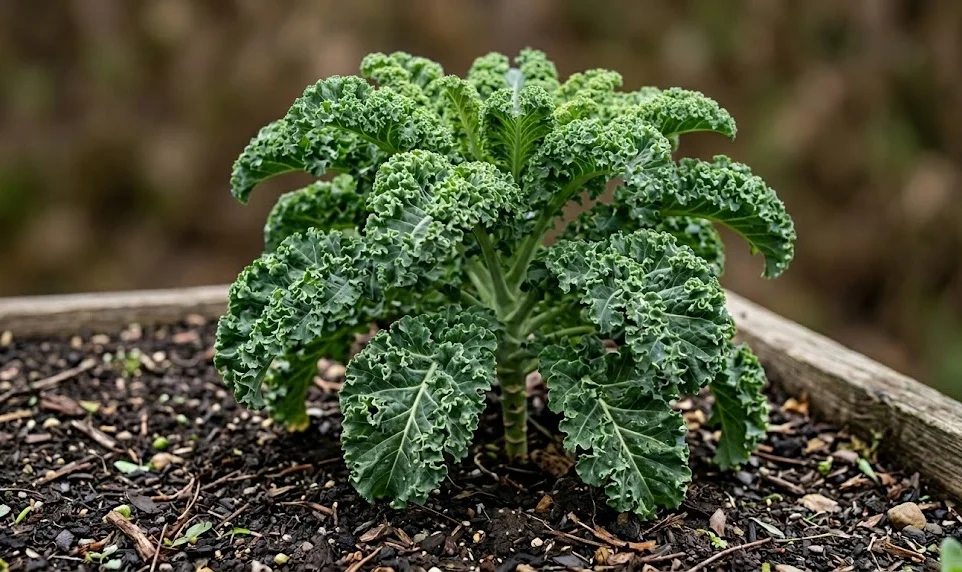
Fungal diseases often thrive in the humid microclimate created by the dense, crinkled leaves of this particular cabbage variety. Downy mildew and powdery mildew are common issues that manifest as discolored patches or white powdery coatings on the foliage. These pathogens spread rapidly through wind-blown spores and can be exacerbated by overhead watering or poor air circulation between plants. Pruning away affected leaves and improving the spacing in your rows are effective first steps in controlling the spread of these infections.
Soil-borne diseases like clubroot represent a more serious and long-term threat to the success of your brassica crops. This pathogen causes the roots to become swollen and distorted, preventing them from taking up the water and nutrients needed for growth. Once established in a garden bed, clubroot can persist in the soil for many years, making crop rotation absolutely essential. Maintaining a slightly alkaline soil pH can help suppress the activity of this particular fungus and protect your future harvests.
Bacterial soft rot is another devastating condition that can strike as the cabbage heads approach maturity, often following a period of heavy rain or physical injury. This disease causes the internal tissues to dissolve into a foul-smelling, watery mass that quickly spreads through the entire head. Prevention is largely based on careful handling to avoid wounding the plants and ensuring that the soil has excellent drainage. If you discover an infected plant, it should be removed and destroyed immediately to prevent the bacteria from spreading to healthy neighbors.
Common insect pests and their management
The cabbage white butterfly is perhaps the most recognizable enemy of the brassica grower, as its green larvae can consume vast amounts of foliage in a short time. You will often see the white adults fluttering around the garden, looking for the perfect spot to deposit their small yellow eggs on the underside of the leaves. Checking the plants every few days and manually removing these eggs or the young caterpillars is a highly effective control method. For larger infestations, organic treatments containing Bacillus thuringiensis can be used to target the larvae without harming beneficial insects.
More articles on this topic
Aphids are small, sap-sucking insects that can colonize the young, tender leaves at the heart of the cabbage, causing them to curl and distort. These pests reproduce rapidly and can also transmit various viral diseases from one plant to another as they feed. A strong stream of water from a hose can often dislodge small colonies and reduce their numbers significantly without the use of chemicals. Encouraging natural predators like hoverflies and parasitic wasps provides a long-term biological solution that keeps aphid populations in check.
Slugs and snails find the moist, shaded environment beneath the large outer leaves of a cabbage head to be an ideal habitat. They feed primarily at night, leaving behind large, ragged holes in the foliage and tell-tale silvery slime trails. Reducing the amount of organic mulch directly against the base of the plant can help eliminate their hiding spots during the day. Copper barriers or beer traps can be used as effective deterrents in areas where these mollusks are particularly problematic.
Cabbage root maggots are the larvae of a small fly that lays its eggs in the soil near the base of the young plants. The maggots tunnel into the roots, causing the plant to wilt and often die before it can establish itself in the garden. Using physical barriers like “cabbage collars” made of felt or cardboard can prevent the flies from reaching the soil to lay their eggs. This simple and inexpensive technique is one of the best ways to protect young transplants during their most vulnerable stage of development.
Integrated Pest Management principles
Integrated Pest Management (IPM) is a professional framework that combines biological, physical, and cultural tools to manage pests in a sustainable way. The goal is not to eliminate every insect, but to keep their populations below a level where they cause significant economic or aesthetic damage. This approach begins with the selection of resistant varieties and the maintenance of healthy, vigorous plants that can better withstand a bit of feeding. Regular monitoring and accurate identification of any issues are the cornerstones of a successful IPM program in any agricultural setting.
More articles on this topic
Cultural controls involve adjusting your gardening practices to make the environment less hospitable to pests and diseases. This includes things like proper spacing, timely weeding, and the strategic use of irrigation to keep the foliage as dry as possible. Removing spent plant material at the end of the season prevents many pests and pathogens from overwintering in your garden beds. These simple habits create a foundation of hygiene that reduces the overall pest pressure on your current and future crops.
Biological controls rely on the “natural enemies” of your pests to do the work of protection for you. By creating a diverse habitat with plenty of flowers and nesting sites, you can attract a small army of predatory insects and birds to your garden. This natural balance is much more resilient than a system that relies on constant chemical interventions, which often kill the good bugs along with the bad ones. Understanding the complex web of life in your garden is one of the most rewarding aspects of professional cultivation.
Physical and mechanical controls are direct actions you take to exclude or remove pests from your cabbage patch. This includes the use of row covers to block insects from reaching the plants and the hand-picking of caterpillars or beetles. Traps can also be used to monitor the arrival of certain pests, allowing you to time your other interventions for maximum effectiveness. These methods are often the first line of defense in an organic system, providing immediate results without any negative environmental side effects.
Identifying and treating viral infections
Viral diseases are particularly difficult to manage because there are no direct chemical cures once a plant has become infected. These issues are usually characterized by mottled or streaked leaves, stunted growth, and a general lack of vigor in the developing head. Most viruses are spread by “vectors,” which are typically sap-sucking insects like aphids or thrips that move from plant to plant. Prevention is focused entirely on controlling these insect populations and removing any infected plants immediately to stop the spread.
Mosaic virus is one of the most common viral threats, causing a distinct patchwork of light and dark green on the cabbage leaves. Infected plants will often produce small, deformed heads that are not suitable for harvest or consumption. It is vital to wash your hands and tools after handling a suspected viral case to avoid mechanical transmission to healthy specimens. Choosing varieties that have been bred for resistance to specific local viruses is the most effective long-term strategy for professional growers.
Yellowing and clearing of the veins in the leaves can also be a symptom of a viral infection that is disrupting the plant’s normal metabolic processes. While some plants might survive a mild infection, they will never reach their full potential and may serve as a reservoir for the disease. It is often best to sacrifice a few infected individuals early in the season to protect the health of the rest of your agricultural project. Maintaining a weed-free perimeter around your garden also helps, as many wild plants can harbor viruses and their insect vectors.
The best defense against all viral issues is a holistic approach that focuses on the overall health and resilience of the garden ecosystem. Plants that are growing in optimal conditions with the right balance of water and nutrients are much better at resisting the effects of minor infections. Ensuring that your seeds and transplants come from a reliable, disease-free source is also a critical part of professional garden management. Vigilance and hygiene are the only real tools available for managing the invisible threat of viral pathogens in the vegetable patch.
Environmental stress and physiological disorders
Not all “diseases” in the cabbage patch are caused by living organisms; some are physiological responses to environmental stress. Tip burn, for example, is often caused by a lack of calcium movement within the plant during periods of rapid growth or erratic watering. This results in the edges of the inner leaves turning brown and papery, which can lead to secondary bacterial infections. Maintaining consistent soil moisture and avoiding excessive nitrogen fertilization are the keys to preventing this unsightly and damaging condition.
Splitting of the cabbage heads is another common physiological issue that occurs when a period of drought is followed by a sudden heavy rain or irrigation. The internal leaves expand so rapidly that they burst through the outer wrapper leaves, ruining the appearance and storage potential of the head. If you see this beginning to happen, you can sometimes slow down the growth by slightly lifting the plant with a spade to break some of the roots. This reduces the water intake and can buy you a few days to complete the harvest before the damage becomes too severe.
Bolting is the process where the cabbage stops focusing on leaf production and rapidly sends up a flowering stalk to produce seeds. This is usually triggered by a sudden change in temperature, such as a late cold snap followed by a hot spell, which “tricks” the plant into thinking its life cycle is ending. Once a plant begins to bolt, the leaves quickly become bitter and the head will never form properly. Choosing varieties that are known to be “slow to bolt” is a wise move for gardeners in regions with unpredictable spring weather.
Hollow stem is a condition where the main stalk develops a void in the center, often accompanied by internal browning. This is typically caused by very rapid growth fueled by excessive nitrogen and warm temperatures, leading to a structural failure within the stem. While the cabbage might still be edible, the hollow space can become a entry point for rot and reduces the overall quality of the harvest. Balanced fertilization and proper spacing to avoid excessive competition or rapid growth spurts will help keep your cabbage stems solid and healthy.