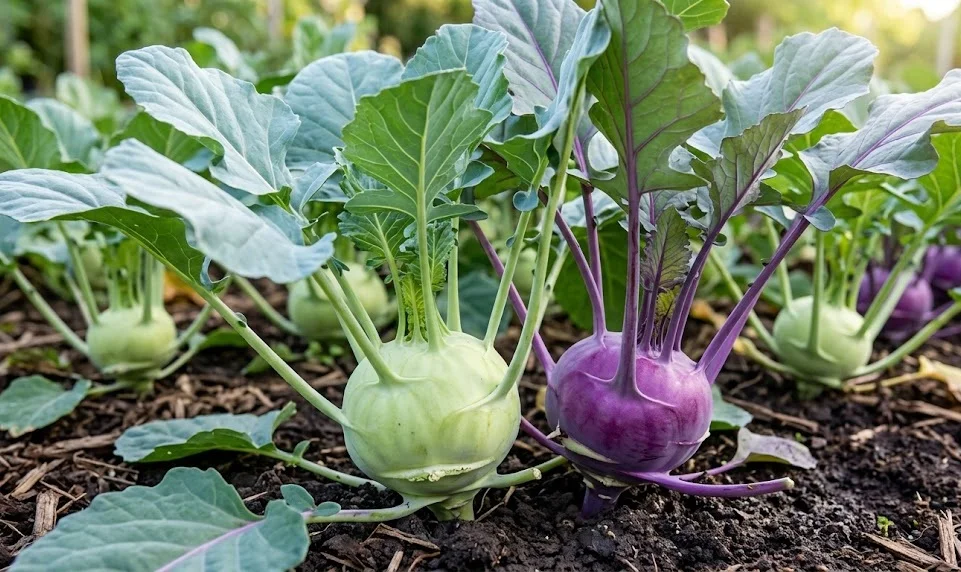

Starting your kohlrabi journey requires a professional approach to seed selection and the timing of your initial sowing activities in the spring. You must choose high-quality seeds from reputable suppliers to ensure a high germination rate and a uniform growth pattern in your beds. Proper planning allows you to take full advantage of the cool growing windows that this specific vegetable prefers for its development. By mastering the art of propagation, you lay the groundwork for a successful and productive gardening season that yields impressive results.
The first step in a professional planting strategy is preparing your seed trays with a sterile and well-draining starting mix. You should sow the seeds at a shallow depth and keep the soil consistently warm to encourage rapid and healthy germination. Observing the first sprouts emerge is a rewarding experience that signals the beginning of a new cycle of life in your garden. Providing adequate light from the very beginning prevents the seedlings from becoming leggy and weak as they reach toward the sun.
You have the choice between starting seeds indoors for later transplanting or sowing them directly into the garden soil when conditions are right. Each method has its own professional advantages depending on your local climate and the specific goals you have for your harvest. Starting indoors gives you more control over the early environment and protects the young plants from unpredictable spring weather and pests. Direct sowing is often more efficient for large-scale operations and avoids the stress that transplanting can cause to the delicate root systems.
Acclimatizing your young plants to the outdoor environment is a professional process known as hardening off that should never be rushed or ignored. You should gradually expose the seedlings to increasing amounts of sunlight and wind over the course of a week or more. This transition strengthens the cell walls of the plants and prepares them for the rigors of living in the open garden beds. A successful propagation phase sets the tone for the rest of the growing season and ensures your kohlrabi has the best start possible.
Direct sowing methods
Directly sowing kohlrabi seeds into the garden is a professional technique that works exceptionally well during the cooler parts of the year. You should prepare a fine seedbed by raking the soil until it is smooth and free from any large clumps or debris. Planting the seeds about one centimeter deep ensures they have enough protection while still being able to reach the surface quickly. You will find that direct sowing often leads to more resilient plants that are better adapted to the local soil conditions from the start.
More articles on this topic
Spacing is a critical factor when sowing directly to ensure that each plant has enough room to develop its characteristic bulbous stem. You should aim for a distance of about ten to fifteen centimeters between individual seeds within each row of your garden. If you sow more thickly to ensure a full stand, you must be prepared to thin the seedlings once they reach a few centimeters in height. This professional practice prevents overcrowding and ensures that the remaining plants can grow to their full potential without competition for light.
Watering the newly sown area gently with a fine mist helps to settle the soil around the seeds without washing them away. You must keep the surface of the soil moist until the seedlings are well-established and have developed their first true leaves. This initial period of moisture management is the most important part of the direct sowing process for any professional gardener. Once the plants are growing strongly, you can transition to a more regular irrigation schedule that reaches deeper into the ground.
You should also consider staggered planting dates to ensure a continuous harvest of fresh kohlrabi throughout the entire growing season. By sowing a new row every two weeks, you avoid having all your vegetables reach maturity at the exact same time. This professional strategy allows you to enjoy the best quality produce over a longer period and reduces the pressure of processing a large harvest. Monitoring the growth of each batch will help you refine your timing for future years and maximize your garden’s output.
Transplanting basics
Moving your indoor seedlings into the garden is a professional task that requires careful timing and a gentle hand to ensure success. You should wait until the young plants have at least two sets of true leaves and the soil outside has warmed sufficiently for growth. Choosing a cloudy day or transplanting in the late afternoon helps to reduce the initial stress on the plants from the direct sun. A professional approach to this transition will minimize transplant shock and allow the kohlrabi to begin growing in its new home immediately.
More articles on this topic
Prepare the holes in your garden bed ahead of time and ensure they are deep enough to accommodate the entire root ball of the seedling. You should handle the plants by their leaves or the root mass rather than the delicate stems to avoid causing permanent damage. Placing the plant at the same depth it was growing in the tray is a professional rule that prevents stem rot and other issues. Firm the soil gently around the roots to remove any large air pockets that could dry out the sensitive underground structures.
Giving the new transplants a thorough watering immediately after they are in the ground helps to settle them and encourages root expansion. You might consider using a weak organic starter solution to provide a small boost of nutrients during this critical adjustment period. Observe the plants closely for the first few days to ensure they are not wilting or showing signs of being overwhelmed by the outdoor conditions. A little extra care during the first week of transplanting will pay dividends in the form of healthier and more productive plants.
If the weather becomes unexpectedly harsh shortly after transplanting, you should be ready to provide temporary protection with covers or tunnels. Professional gardeners always have a backup plan for protecting their investment in young plants from late frosts or heavy rain. Once the kohlrabi has established its roots in the garden soil, it will become much more hardy and able to handle minor environmental fluctuations. Mastering the basics of transplanting is a vital skill for anyone looking to produce high-quality vegetables in a controlled and professional manner.
Spacing and layout
The layout of your kohlrabi rows is a professional consideration that affects everything from airflow to ease of harvest later in the year. You should maintain a distance of at least thirty centimeters between your rows to allow yourself enough room to move and work. This spacing also ensures that the plants receive plenty of sunlight from all sides, which is essential for the even development of the bulbs. A professional garden layout is organized and efficient, making the best possible use of the available space and resources.
Within the rows, keeping a consistent distance between plants prevents the foliage from overlapping too much and trapping excessive moisture. You will find that a spacing of fifteen to twenty centimeters is ideal for most commercial and garden varieties of kohlrabi. This gap allows the bulb to expand without being squeezed by its neighbors, which can lead to deformed or smaller vegetables. Consistent spacing also makes it much easier to apply mulch and fertilizer evenly across the entire surface of the bed.
Using a grid system or raised beds can help you maintain a professional and tidy appearance while also improving the drainage of your soil. You might find that intensive planting techniques allow you to grow more food in a smaller area without compromising the health of the individual plants. It is important to monitor the results of your layout each year and make adjustments based on the performance of the crop. A professional gardener is always learning and refining their methods to achieve the highest possible yields and quality.
Finally, consider the orientation of your rows in relation to the path of the sun to ensure maximum light exposure for all your plants. Rows that run from north to south generally receive the most even light throughout the day, preventing taller plants from shading the shorter ones. This level of professional detail might seem small, but it contributes significantly to the overall success of your agricultural efforts. By carefully planning your spacing and layout, you create an environment where your kohlrabi can truly thrive and reach its full potential.