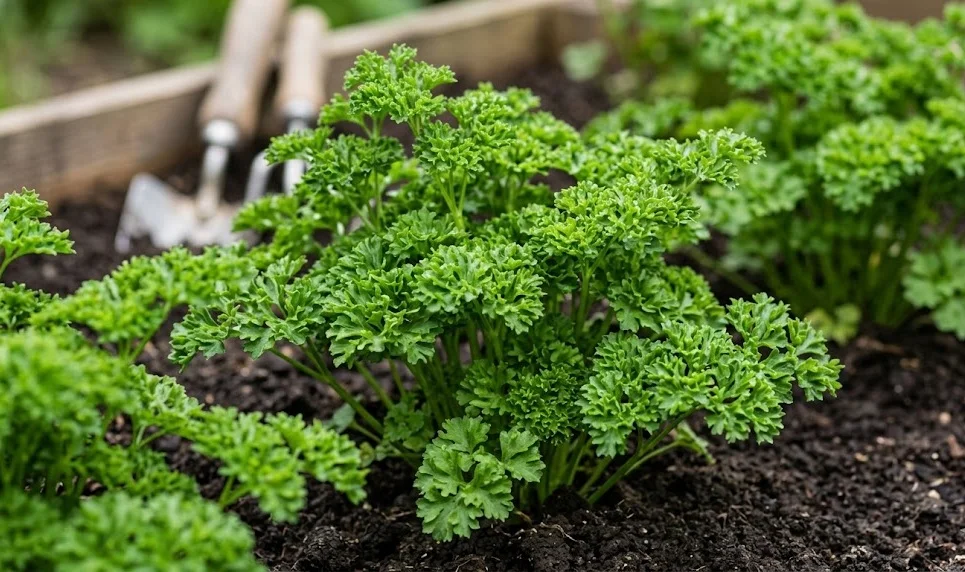

The light requirements of curly leaf parsley are a critical factor in determining the plant’s structural density, color intensity, and overall essential oil content. While many herbs are categorized as sun-lovers, parsley occupies a more flexible niche that allows it to thrive in both full sun and partial shade. However, the “curly” nature of the leaves means they have a complex way of interacting with light, often shading themselves if the plant becomes too dense. Professional cultivation involves finding the perfect balance of light intensity to maximize growth without causing physiological stress.
In an ideal setting, curly leaf parsley should receive between six and eight hours of direct sunlight every day to reach its full potential. This level of exposure provides the energy needed for the rapid production of the thick, ruffled foliage that is so highly prized in the kitchen. You will find that plants grown in full sun are generally more compact, with stronger stems and a deeper, more vibrant green color. The higher light intensity also encourages the development of the complex aromatic compounds that give parsley its distinctive flavor profile.
Despite its love for the sun, curly leaf parsley is surprisingly tolerant of partial shade, making it a versatile choice for gardens with limited light. In very hot climates, a bit of afternoon shade can actually be beneficial, as it protects the leaves from the most intense and potentially damaging UV rays. You might notice that shade-grown parsley has slightly larger, thinner leaves and a more open growth habit as it reaches toward the light. While the growth may be a bit slower, the plant remains perfectly healthy and provides a reliable harvest.
Managing the transition between different light environments is a professional skill that prevents the common problem of sunscald. If you are moving plants from an indoor nursery or a shaded greenhouse to a bright outdoor bed, you must do so gradually over several days. Sudden exposure to intense sunlight can cause the delicate leaf tissues to bleach or turn brown as the cells are overwhelmed by the sudden energy input. This “hardening off” period allows the plant to adjust its internal chemistry and build up protective pigments.
Optimizing solar exposure for garden success
When planning your herb garden, you should place your curly leaf parsley in a location where it won’t be completely overshadowed by taller, more aggressive plants. While it can handle some shade, being buried under the canopy of a large tomato plant or a row of corn will severely limit its productivity. You should aim for a spot that gets the morning sun, which is less intense and allows the morning dew to evaporate quickly from the ruffled leaves. This strategic placement reduces the risk of fungal diseases while maximizing the plant’s photosynthetic efficiency.
More articles on this topic
The orientation of your planting rows can also influence how much light each individual parsley plant receives throughout the day. In northern latitudes, north-south oriented rows ensure that each side of the plant gets a turn in the direct sun as it moves across the sky. This promotes even growth and prevents one side of the curly canopy from becoming sparse or elongated. If you are planting against a wall or a fence, a south-facing position will provide the most heat and light for your herbs.
Reflective surfaces can be used in a professional manner to increase the light available to parsley plants in shaded corners of the garden. Light-colored mulch, white fences, or even strategically placed garden mirrors can bounce extra photons into the darker areas. This can be particularly useful in early spring or late autumn when the sun is lower in the sky and shadows are longer. By manipulating the light environment, you can extend the growing season and improve the quality of your parsley crop.
You should also consider the seasonal changes in light as the year progresses and how this affects your parsley’s needs. A spot that is in full sun in June might be in deep shade by October as the sun’s path shifts and nearby trees grow their leaves. Monitoring these changes allows you to plan your plantings and potentially move container-grown parsley to keep it in the optimal light zone. A professional gardener is always aware of the changing shadows and how they impact the health of each plant.
Understanding the risks of excessive and insufficient light
While curly leaf parsley loves light, there is such a thing as too much of a good thing, especially when combined with high temperatures. During an intense heatwave, the leaves can become stressed, losing their moisture faster than the roots can replace it. You might see the edges of the curly leaves beginning to turn yellow or brown, a sign that the plant is struggling to cope with the light intensity. Providing a temporary shade cloth during these extremes is a professional intervention that can save your crop.
More articles on this topic
Insufficient light is much more common, especially in urban gardens or indoor settings, and it manifests in very specific ways. You will notice the stems becoming long and weak, a condition known as “legginess,” as the plant stretches desperately toward the nearest light source. The leaves will often be a pale, lime-green color rather than the deep forest green that is characteristic of healthy curly parsley. If you see these signs, you must either move the plant to a brighter spot or provide supplemental artificial lighting.
Light also plays a role in the “bolting” process, where the plant prematurely shifts from leaf production to seed production. While temperature is the primary driver of bolting, long days and high light intensity can also signal to the plant that it is time to complete its life cycle. If you notice your parsley starting to send up a thick central stalk, you may need to provide more shade to cool the plant down. Maintaining a stable and appropriate light environment is key to keeping the plant in its productive vegetative state for as long as possible.
Finally, remember that the “curly” structure of the leaves actually creates a complex series of micro-shadows within the plant itself. This means that the inner leaves may receive much less light than the outer ones, even in a full-sun position. Regular harvesting and thinning of the foliage are professional techniques that allow more light to penetrate the center of the plant. This internal light management encourages the growth of new leaves from the crown and keeps the entire plant healthy and vigorous.
Supplemental lighting for indoor and winter growth
Growing curly leaf parsley indoors requires a professional approach to artificial lighting to mimic the full spectrum of the sun. Standard incandescent bulbs are usually insufficient as they produce too much heat and not enough of the blue and red wavelengths that plants need. You should look for “full-spectrum” LED or fluorescent grow lights that are specifically designed for horticultural use. These lights provide a balanced energy source that supports both root development and lush leaf production.
The distance between the light source and the top of the parsley plants is a critical factor in the efficiency of the indoor setup. If the light is too far away, the intensity drops off significantly, leading to the leggy growth we want to avoid. You should aim to keep your grow lights about fifteen to twenty centimeters above the curly leaves, adjusting the height as the plants grow. This ensures that the plants receive the maximum amount of usable energy without the risk of heat damage to the foliage.
Timing is just as important as intensity when it comes to indoor lighting for your parsley crop. You should provide at least twelve to fourteen hours of light each day to compensate for the lower intensity of artificial sources compared to the sun. Using an automatic timer is a professional way to ensure the plants get a consistent “day” and “night” cycle without you having to remember to flip a switch. This consistency helps to regulate the plant’s internal biological clock and promotes more predictable growth patterns.
In a greenhouse or cold frame, you can use supplemental lighting to extend the day length during the short, dark days of winter. This can keep the parsley in a vegetative state and prevent it from going dormant, allowing for a continuous harvest throughout the year. Even a few extra hours of light in the morning or evening can make a significant difference in the growth rate and quality of the herbs. Professional greenhouse management is all about optimizing every photon to get the best possible return from your plants.