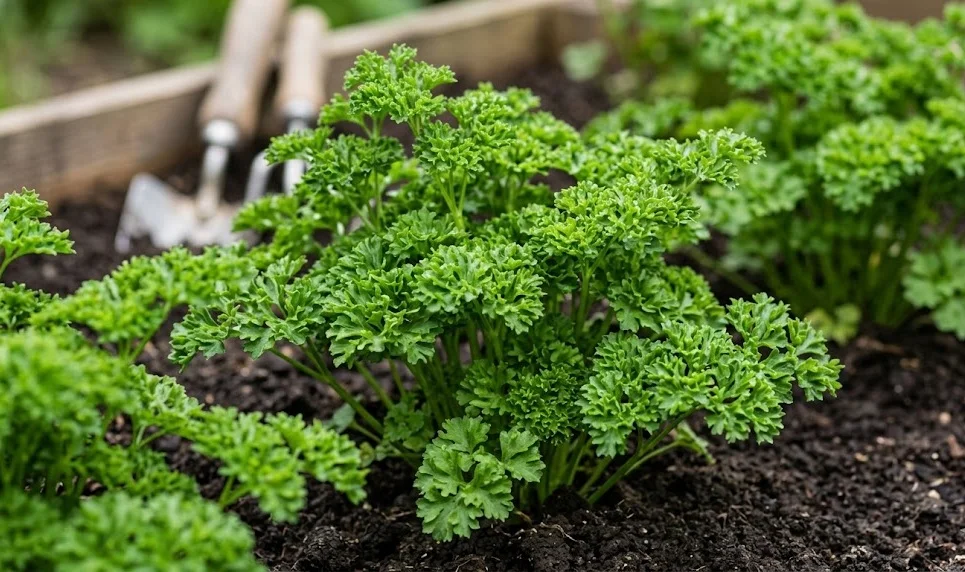

Successfully wintering curly leaf parsley requires a strategic understanding of the plant’s biennial nature and its specific tolerance for cold temperatures. While parsley is relatively hardy and can survive light frosts, a truly bitter winter can easily kill the crown if it is not properly protected. Preparing the plant for the dormant season involves more than just leaving it in the ground; it requires a series of deliberate steps to insulate the root system. Professional gardeners treat the winterizing process as a way to guarantee an early and vigorous harvest the following spring.
The first step in your winter preparation should begin long before the first hard freeze is predicted in your local weather forecast. You should stop fertilizing the parsley in late summer to discourage the production of tender new growth that would be easily damaged by the cold. This allows the plant to focus its remaining energy on strengthening the root system and the central crown. You will notice the foliage becoming a bit tougher and darker as the plant naturally acclimates to the cooling temperatures of autumn.
Cleaning the area around your parsley is essential to prevent disease from taking hold during the damp and cold winter months. You should remove any dead or yellowing outer leaves and clear away any fallen debris that could harbor pests or fungal spores. A clean soil surface allows for better airflow and reduces the risk of crown rot when the ground is covered in snow or ice. This professional attention to detail ensures that the plant enters its dormant phase in the best possible health.
Watering remains important even as the weather turns cold, especially if the autumn has been particularly dry. You should ensure that the soil is thoroughly hydrated before the ground freezes solid, as moist soil holds heat better than dry soil. A well-hydrated plant is also much more resilient to the drying effects of cold winter winds, which can sap moisture from the evergreen foliage. Once the ground is frozen, you can suspend watering until the spring thaw begins.
Protecting the crown with effective mulching
The most effective way to protect curly leaf parsley from extreme cold is to apply a thick layer of organic mulch around the base of the plant. You should wait until the ground has chilled but not yet frozen solid before applying about ten centimeters of insulating material. Straw, shredded leaves, or evergreen boughs are excellent choices because they trap air while still allowing for some ventilation. This mulch acts as a thermal blanket that prevents the “freeze-thaw” cycles that can heave the plant out of the soil.
More articles on this topic
You must be careful to apply the mulch around the stems but avoid covering the very center of the crown too tightly. If moisture becomes trapped directly against the growing point, the plant is much more likely to rot during a mid-winter thaw. The goal is to insulate the roots and the lower stems while still allowing the plant to breathe and shed excess moisture. Checking the mulch after a heavy wind or rainstorm is a professional practice to ensure it remains in place and effective.
In regions with extremely cold winters, you might consider using a more substantial form of protection, such as a cold frame or a row cover. These structures create a micro-climate that can be several degrees warmer than the surrounding air, providing a significant safety margin. You can easily build a temporary cold frame using old windows or clear plastic stretched over a simple wooden frame. This extra layer of defense is often the difference between a dead plant and a thriving one come March.
Snow can actually be a very effective natural insulator for parsley, provided it remains consistent throughout the coldest months. A thick blanket of snow protects the plants from the drying effects of the wind and keeps the soil temperature stable. You should avoid shoveling heavy, packed snow onto your herb beds, as the weight can crush the delicate curly stems. If a natural snow cover is absent during a cold snap, your artificial mulching becomes even more critical for the plant’s survival.
Indoor wintering for continuous harvest
If you want to continue harvesting fresh curly leaf parsley throughout the winter, moving a few plants indoors is an excellent strategy. You should choose young, healthy plants and carefully dig them up in early autumn, taking as much of the root ball as possible. Pot them into a deep container with high-quality potting soil and water them thoroughly to help them settle into their new home. Transitioning them slowly from the outdoors to the indoors will help minimize transplant shock and leaf drop.
More articles on this topic
The indoor environment presents its own set of challenges, particularly regarding light levels and atmospheric humidity. You should place your potted parsley in the brightest window available, ideally one that faces south or west to maximize sun exposure. If natural light is insufficient, a small LED grow light can provide the necessary spectrum for continued growth. Keep the plants away from heat vents or drafts, as the dry air of a heated home can be very stressful for herbs.
Watering indoor parsley requires a delicate touch, as the plants will grow more slowly and use less water than they do in the summer. You should allow the top centimeter of the soil to dry out between waterings to prevent the development of fungus gnats or root rot. Mist the foliage occasionally with a spray bottle to increase the local humidity around the curly leaves. This mimics the plant’s natural outdoor environment and keeps the foliage looking crisp and healthy for your kitchen needs.
Fertilizing indoor plants should be kept to a minimum during the winter months to avoid forcing unnatural growth. A very weak solution of liquid seaweed or a balanced organic fertilizer once a month is more than enough to keep the plant ticking over. You will find that the flavor of indoor-grown parsley might be slightly milder than outdoor crops, but it is still far superior to dried alternatives. Indoor wintering is a rewarding way to stay connected to your garden even when the ground is frozen solid.
Preparing for the spring awakening
As the days begin to lengthen and the sun gains strength in late winter, your outdoor parsley will start to show signs of life. You should gradually remove the protective mulch in stages rather than all at once to avoid shocking the plant with sudden temperature changes. Start by thinning the layer of straw or leaves once the hardest frosts have passed and you see new green shoots in the center. This allows the soil to warm up slowly and encourages the roots to resume their active growth.
If you used a cold frame or plastic cover, you must be diligent about venting these structures on sunny days to prevent overheating. Even in late winter, the sun can quickly turn a closed cold frame into an oven, which can damage or kill the emerging parsley. You should open the lids during the day and close them at night to maintain a stable and healthy environment. This professional management of the micro-climate is the key to getting a “head start” on the new growing season.
Once the danger of a deep freeze has passed, you can provide a light application of a balanced organic fertilizer to support the initial growth spurt. The parsley will be hungry after its long winter dormancy and will respond quickly to the availability of new nutrients. You should also take this time to trim away any foliage that was damaged or browned by the cold during the winter. This “spring cleaning” makes room for the fresh, vibrant leaves that will soon dominate the plant.
Remember that because parsley is a biennial, it will likely start to produce a flower stalk sometime during this second spring. You can prolong the leaf harvest by pinching out these stalks as soon as they appear, but the plant’s flavor will eventually change. Many professional gardeners treat the second-year crop as a bonus and have a new set of seedlings ready to take their place. This ensures a continuous and high-quality supply of curly leaf parsley for your home or market.
Managing the biennial transition phase
Understanding the transition from the first year to the second year is the final piece of the wintering puzzle. In its second year, the parsley’s primary biological goal is reproduction, which means producing seeds to ensure the next generation. You will notice that the growth habit changes, with the plant becoming more upright and focused on a central stem. While the leaves are still edible during this time, they often become tougher and have a more intense, sometimes bitter, flavor.
If you have successfully wintered several plants, you might choose to let one or two of them complete their life cycle and go to seed. The flowers of curly leaf parsley are small and umbrella-like, attracting many beneficial insects and pollinators to your garden. Once the seeds turn brown and dry on the stalk, you can collect them for planting the following season. This creates a sustainable loop in your garden that is both economically and ecologically beneficial.
For the plants you intend to keep for culinary use, continue to harvest the outer leaves regularly to keep the plant productive. However, be aware that the plant’s overall lifespan is nearing its end, and it will not continue to grow indefinitely. Once the central flower stalk becomes too large to manage, it is time to remove the plant and prepare the soil for a new crop. This professional rotation keeps your herb bed healthy and prevents the buildup of species-specific pests or diseases.
Wintering curly leaf parsley is a testament to the resilience of this versatile herb and the skill of the gardener. By providing the right protection and monitoring the environmental conditions, you can enjoy a much longer harvest than most people realize. Whether you keep them in the ground or bring them onto your windowsill, your parsley plants deserve the professional care that ensures their survival. These winter efforts are always rewarded when those first green curls appear in the spring sunshine.