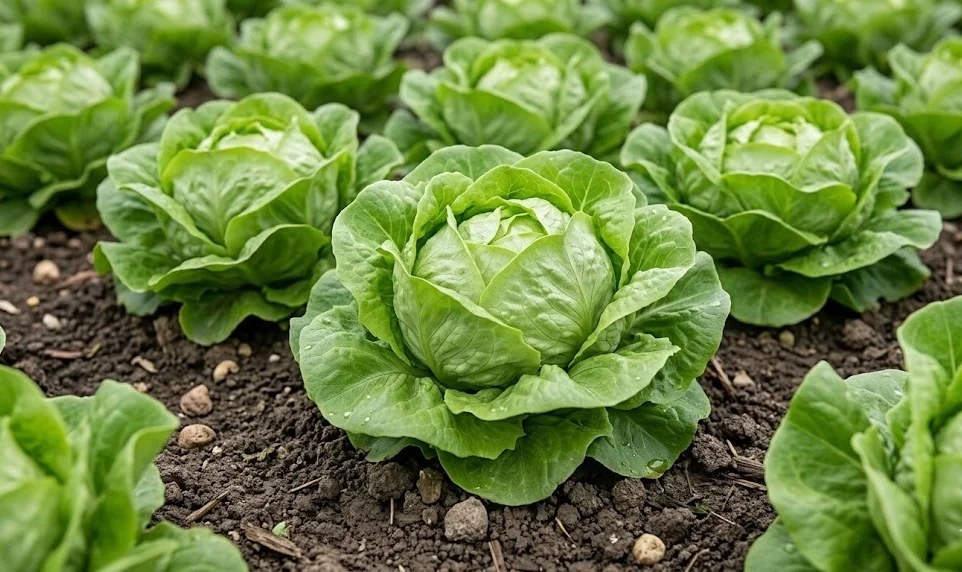

While the concept of pruning is most often associated with woody perennials or fruit trees, it also plays a specialized role in the management of head lettuce. For the professional gardener, pruning lettuce is primarily a technique used to improve air circulation, manage disease, and maximize the utility of each plant. By selectively removing specific leaves or thinning young seedlings, a grower can significantly influence the development and health of the final head. Understanding when and how to intervene with a cutting tool is a subtle but valuable aspect of high-level olericulture.
The most common form of “pruning” in the life of a head lettuce plant is the process of thinning, which occurs shortly after germination. When seeds are sown thickly, the resulting seedlings quickly begin to compete for space, light, and nutrients. Removing the excess plants allows the remaining individuals to expand their root systems and develop the broad, healthy leaves necessary to form a solid head. This early intervention is essential for preventing the stunted, leggy growth that occurs in overcrowded garden beds.
Removing the oldest, outermost leaves of a developing lettuce head is another practical application of pruning techniques. These lower leaves are often the first to show signs of yellowing, soil-borne disease, or physical damage from garden pests. By carefully trimming these leaves away, the gardener improves the airflow around the base of the plant, which is the most common site for rot to begin. This “cleaning up” of the plant not only improves its health but also makes the final harvest and cleaning process much more efficient.
In some specialized gardening contexts, such as “cut-and-come-again” production, pruning is the primary method of harvest. While true head lettuce is typically harvested as a single unit, certain varieties can be encouraged to regrow if the central growing point is left intact. By harvesting only the larger outer leaves and allowing the inner heart to continue growing, a gardener can extend the productive life of a single plant over several weeks. This approach is particularly popular in home gardens or for high-end culinary uses where young, tender leaves are preferred.
Techniques for sanitary and effective leaf removal
Whenever pruning or cutting lettuce, using the correct tools is essential to prevent crushing the delicate tissues and introducing pathogens. A very sharp, clean pair of garden snips or a dedicated harvesting knife is the best choice for making precise cuts. It is important to sanitize the blades with a mild alcohol solution between different plants to avoid the accidental spread of viruses or bacteria. A clean cut heals rapidly, allowing the plant to redirect its energy back into the growth of the central head.
More articles on this topic
The best time of day for pruning lettuce is in the early morning, when the plants are fully turgid and the temperatures are cool. At this time, the stems and leaves are crisp and break cleanly, minimizing the trauma to the plant’s vascular system. Avoid pruning during the heat of the afternoon, as the plants are more likely to wilt, and the open wounds can lose moisture rapidly. Furthermore, pruning while the foliage is wet from dew or rain should be strictly avoided to prevent the spread of fungal spores.
When removing damaged or diseased leaves, it is vital to dispose of the material far away from the healthy lettuce beds. Leaving pruned foliage on the ground can attract slugs and provide a breeding ground for the very diseases the gardener is trying to prevent. Professional operations often have a dedicated “sick bay” or a high-heat composting system specifically for dealing with diseased plant matter. Maintaining a clean and tidy garden floor is a simple but highly effective way to support the long-term health of the entire crop.
For growers who are producing lettuce for its visual appeal, pruning can also be used to maintain a symmetrical and attractive shape. Removing rogue leaves that grow at odd angles or are significantly larger than the rest of the head helps to create a more uniform product. This level of attention to detail is often what differentiates the produce found at a high-end farmers’ market from more generic commercial offerings. While it requires an investment of time, the results in terms of crop quality and professional pride are well worth the effort.
Managing the transition from pruning to harvest
As the lettuce head nears maturity, the focus of pruning shifts from maintenance to preparation for the final harvest. The gardener may perform a final pass to remove any soiled or yellowed leaves, ensuring that the head is in peak condition. This is also a good time to check for any hidden pests like aphids or slugs that might be tucked into the outer layers of foliage. By addressing these issues before the harvest, the grower ensures that the produce arrives in the kitchen clean and ready for use.
More articles on this topic
The removal of the entire head at harvest is the ultimate form of “pruning” for the lettuce plant, signaling the end of its lifecycle. For professional growers, the goal is to make a single, clean cut just above the soil line, leaving the root system behind to decompose naturally. This avoids bringing excess soil into the harvesting bins and keeps the workplace much cleaner. The discarded roots will eventually break down and contribute to the organic matter content of the soil, supporting future generations of crops.
In some cases, if the weather is favorable and the variety is suitable, the remaining root stump can produce a second, smaller harvest of “baby” greens. While these secondary shoots will never form a tight head like the original plant, they are excellent for salads and can provide an extra week of food from the same space. If the grower decides to pursue this, a light application of liquid fertilizer can help to stimulate the dormant buds on the stump. However, most professional operations prefer to clear the bed entirely to make room for a new, fresh succession of plants.
Reflecting on the pruning process allows the gardener to understand the growth habits of different lettuce varieties more deeply. Some types may require more frequent cleaning due to their leaf structure, while others are naturally more self-contained and require very little intervention. Keeping notes on these observations helps to refine the maintenance schedule for future seasons and improves the overall efficiency of the garden. Mastery of these subtle cultural practices is what truly defines a professional horticulturalist in the field of leafy green production.