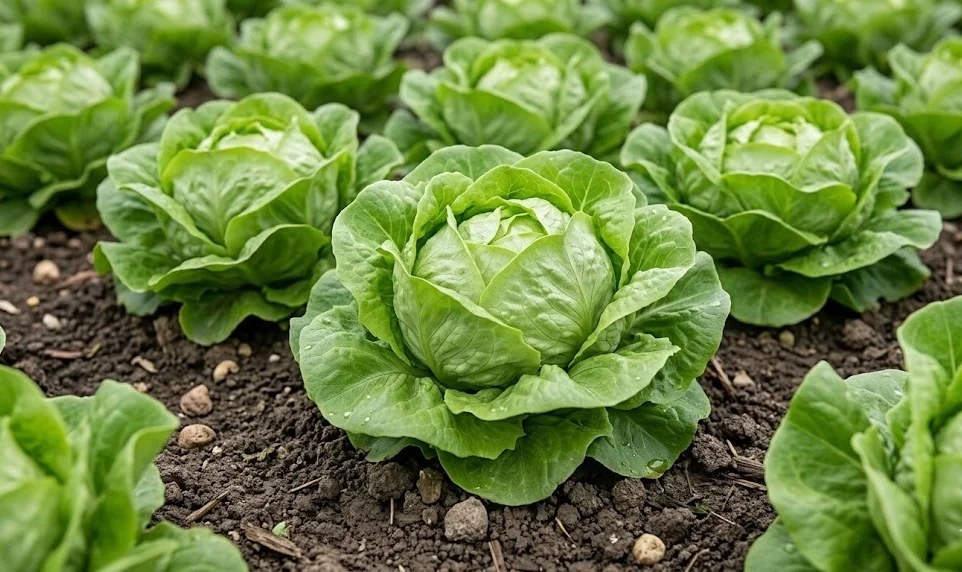

Cultivating a high-quality yield of head lettuce requires a disciplined approach to seasonal maintenance and environmental monitoring. Growers must understand that this crop is particularly sensitive to fluctuations in climate and soil consistency throughout its lifecycle. Establishing a routine for observation will allow for the early detection of physiological stress or potential growth stalls. By prioritizing these foundational elements, a professional gardener ensures the vitality and crispness of the final harvest.
Effective soil management remains the cornerstone of successful lettuce production in any professional agricultural setting. The substrate must be rich in organic matter to facilitate rapid growth while maintaining a structure that allows for adequate aeration. It is essential to monitor the pH levels regularly to ensure they remain within the optimal range for nutrient uptake. Professionals often incorporate well-rotted compost into the beds several weeks before the active growing season begins to stabilize the soil environment.
Temperature regulation plays a critical role in preventing the premature bolting of head-forming varieties during the warmer months. Head lettuce thrives in cooler conditions and can experience significant quality degradation if exposed to prolonged periods of high heat. Utilizing shade cloths or strategic planting locations can mitigate the impact of intense solar radiation on the delicate leaves. Experienced growers often choose to schedule their primary production cycles during the spring and autumn to leverage naturally favorable temperatures.
The management of competing vegetation is vital to ensure that the primary crop does not suffer from nutrient or water deficits. Weeds should be addressed early in the growth stage before their root systems become established enough to disturb the lettuce. Hand-weeding or shallow cultivation is preferred to avoid damaging the shallow and sensitive root system of the lettuce heads. Maintaining a clean growing environment also reduces the hiding spots for various garden pests that might otherwise thrive in neglected areas.
Optimal soil preparation for consistent development
Preparing the ground for head lettuce involves more than just basic tilling; it requires a deep understanding of soil mechanics and chemistry. The texture of the earth should be fine and crumbly to provide an ideal medium for the small seeds or delicate transplants. Compacted soil must be broken down carefully to ensure that water can penetrate deeply without pooling on the surface. Adding perlite or aged organic material can significantly improve the drainage characteristics of heavier clay-based soils found in many regions.
More articles on this topic
Nutrient availability must be balanced to support the rapid leaf expansion characteristic of head-forming lettuce varieties. A baseline soil test is highly recommended to identify any specific mineral deficiencies that could hinder the development of the crop. Nitrogen is particularly important during the early stages of growth, but it must be applied in controlled amounts to avoid lush, weak growth. Professional growers often utilize slow-release organic amendments to provide a steady supply of nutrients over the entire growing period.
Moisture retention is another critical factor that must be addressed during the initial stages of bed preparation. Incorporating high-quality humus into the upper layers of the soil helps to create a reservoir of moisture that the plants can draw upon during dry spells. This organic component also supports a healthy microbial population, which is essential for the natural cycling of nutrients within the soil ecosystem. A well-prepared bed will feel spongy to the touch and hold its shape without becoming waterlogged or excessively dry.
The final leveling of the planting area is necessary to prevent water from accumulating in low spots, which can lead to root rot. Using a rake to create a perfectly flat surface ensures that irrigation is distributed evenly across all the plants in the row. This uniformity in the growing environment leads to a more predictable harvest schedule and consistent head sizes across the entire plot. Attention to these fine details during the preparation phase pays dividends in the form of a healthy and commercially viable crop.
Environmental monitoring and climate adjustment
Professional gardeners must stay vigilant regarding local weather patterns to protect their lettuce crops from sudden environmental shifts. Head lettuce is particularly vulnerable to frost during its early stages and to extreme heat as it reaches maturity. Using row covers can provide a buffer against late spring frosts that might otherwise damage the sensitive growing points. Conversely, monitoring the soil temperature is equally important to ensure that the roots are not overheating in the middle of the day.
More articles on this topic
Ventilation is an often overlooked aspect of caring for lettuce grown in enclosed or semi-enclosed structures like high tunnels. Proper airflow reduces the humidity levels around the foliage, which significantly lowers the risk of foliar diseases and fungal outbreaks. Strategically opening the sides of structures during peak sunlight hours helps to regulate both temperature and moisture levels effectively. Maintaining a consistent microclimate is one of the most effective ways to ensure that the lettuce heads form tightly and stay sweet.
The intensity of light exposure can dictate the rate of growth and the overall texture of the leaves produced by the plant. While lettuce requires adequate light for photosynthesis, excessive exposure can lead to tip burn and bitter flavors in the heart of the head. Professional growers often use light meters to quantify the exposure and make informed decisions about when to deploy supplemental shading. Balancing light and shade is a subtle art that differentiates expert horticulturalists from casual hobbyists in the field of salad production.
Seasonal transitions require the most active management as the length of the day and the intensity of the sun change. As days get longer, the internal clocks of the plants may trigger the reproductive phase, leading to the development of flower stalks. To counteract this, growers might implement cooling strategies such as misting systems or heavy mulching to keep the root zone stable. Adapting to these environmental cues is essential for extending the harvest window and maintaining the highest possible quality standards.
Advanced weed suppression techniques
Integrating a comprehensive weed management strategy is essential for maintaining the purity and health of a lettuce plantation. Weeds not only compete for essential resources but can also serve as hosts for viruses and insect pests that target agricultural crops. Pre-emergent control methods, such as stale seedbed techniques, can significantly reduce the initial pressure from unwanted vegetation. By allowing weeds to germinate and then removing them before planting the lettuce, growers create a cleaner environment for the crop.
The application of organic mulches provides a dual benefit of suppressing weed growth while simultaneously conserving soil moisture levels. Materials such as clean straw or shredded leaves can be spread carefully around the base of the lettuce heads once they are established. This layer creates a physical barrier that prevents light from reaching weed seeds, thereby inhibiting their germination and development. Furthermore, as these organic materials decompose, they contribute to the long-term fertility and structure of the underlying soil.
Mechanical cultivation remains a popular choice for larger professional operations where manual weeding might be labor-intensive or impractical. Specialized tools designed for shallow work can efficiently disrupt the growth of weeds without disturbing the lettuce roots. It is important to perform these operations when the soil is relatively dry to prevent the formation of clods and to ensure weed roots are desiccated. Consistency is the key to success, as addressing weeds while they are still in the seedling stage is far more effective than waiting.
For smaller, high-intensity gardening spaces, hand-hoeing offers the most precision and minimizes the risk to the main crop. This method allows the gardener to get close to the lettuce heads and remove stubborn perennial weeds that might resist other forms of control. Regular walkthroughs of the garden beds allow for the immediate removal of any rogue plants before they have a chance to go to seed. A proactive approach to weed management ensures that the energy of the soil is directed entirely toward the production of high-quality lettuce.
Precision thinning and spacing protocols
Correct spacing is a fundamental requirement for the development of uniform and healthy heads of lettuce in a commercial or home garden. If plants are crowded too closely together, they will compete for light and air, resulting in stunted growth and increased disease pressure. Thinning should be performed as soon as the first true leaves appear to give the remaining plants the space they need to expand. Professional growers typically aim for a specific distance between plants based on the final expected size of the variety being cultivated.
The process of thinning provides an excellent opportunity to select the most vigorous individuals for the final crop. By removing smaller or weaker seedlings, the gardener ensures that only the best genetics continue to occupy the prime growing space. This selection process leads to a more synchronized harvest, as the remaining plants will likely reach maturity at approximately the same time. While it may feel counterintuitive to remove healthy plants, the long-term benefits for the remaining heads are substantial.
Air circulation is directly impacted by the spacing decisions made during the early stages of the growing cycle. Tightly packed rows restrict the movement of air, creating a humid microclimate that is conducive to the development of bottom rot and mildew. Adequate spacing allows for sunlight to reach the lower leaves and for the wind to dry the foliage after rain or irrigation. This simple cultural practice is often more effective at preventing disease than any chemical intervention or organic spray.
When transplanting seedlings from a nursery setting, it is vital to maintain the same depth as they were originally growing. Planting too deeply can lead to crown rot, while planting too shallowly may cause the young plants to dry out or become unstable. Each seedling should be handled with care by the root ball to avoid damaging the delicate stems that will eventually support the heavy heads. Following a precise grid or row pattern makes subsequent maintenance tasks like weeding and harvesting much more efficient for the grower.
Identifying maturity for the perfect harvest
Determining the exact moment to harvest head lettuce is a skill that combines visual observation with tactile feedback from the plant. A mature head should feel firm and solid when gently pressed, indicating that the inner leaves have folded tightly together. If the head feels soft or hollow, it likely needs more time to develop its internal structure and reach its full weight. However, waiting too long can result in the head becoming overly dense and starting to lose its sweetness as it prepares to bolt.
Visual cues such as the overall size and the color of the outer leaves also provide valuable information to the professional gardener. Most varieties will have a target diameter listed by the seed producer, which serves as a helpful baseline for evaluation. The leaves should look vibrant and turgid, with no signs of yellowing or wilting at the edges of the head. Any change in the shape of the plant, specifically a lengthening of the central core, is a sign that the harvest must happen immediately.
The time of day when the harvest occurs significantly impacts the shelf life and the turgidity of the harvested lettuce. It is best to cut the heads in the early morning while the temperatures are still cool and the plants are fully hydrated from the night. Harvesting during the heat of the afternoon can cause the lettuce to wilt rapidly, leading to a loss of the characteristic crunch that consumers demand. Professional operations often move harvested lettuce into cold storage immediately to preserve the field heat and maintain freshness.
Using a sharp, clean knife is essential for making a clean cut at the base of the lettuce head just above the soil line. A clean cut heals faster on the remaining root system and prevents the introduction of pathogens into the harvested product. It is customary to remove any damaged or soiled outer leaves right in the field to simplify the cleaning process later on. This immediate trimming ensures that only the highest quality portion of the plant is transported to the kitchen or the market.
Post-harvest handling and storage longevity
Once the lettuce has been harvested, maintaining a strict cold chain is the most important factor in extending its usable life. Rapidly reducing the temperature of the heads helps to slow down the respiration rate and preserve the sugar content within the leaves. Ideally, lettuce should be stored at temperatures just above freezing with very high humidity to prevent moisture loss. Any significant fluctuation in storage temperature can lead to condensation, which promotes the growth of spoilage organisms and reduces quality.
Washing the harvested heads should be done with cool, potable water to remove any residual soil or small insects from the foliage. It is important to dry the lettuce thoroughly after washing, as excess surface moisture can lead to rapid decay during storage. Many professional kitchens use large-scale centrifuges or spinners to gently remove water from the leaves without bruising them. Properly dried and cooled lettuce can remain in excellent condition for several weeks if handled with the appropriate level of care.
The presence of ethylene gas must be avoided in the storage environment as it causes lettuce to develop brown spots and age prematurely. This means that lettuce should never be stored in close proximity to ripening fruits like apples, bananas, or tomatoes. Professional storage facilities often use specialized filters or ventilation systems to ensure that ethylene levels remain negligible. Even at home, keeping lettuce in a separate crisper drawer can make a noticeable difference in how long the heads stay fresh and appealing.
Finally, the way lettuce is packaged can influence its longevity and the maintenance of its physical integrity. Breathable bags or containers that allow for some gas exchange while retaining humidity are ideal for long-term storage of head lettuce. Avoiding heavy stacking of the heads prevents bruising and crushing of the delicate internal leaves that are most prized for salads. By treating the harvested crop with the same level of professional care as the growing plants, the gardener ensures a superior culinary experience.