
Black salsify is renowned among gardeners for its exceptional cold tolerance, often remaining viable in the ground long after other vegetables have succumbed to the frost. This biennial characteristic allows you to enjoy a fresh harvest throughout the winter months, provided you understand how to manage the plants during the dormant phase. Successful overwintering is not just about survival; it is about protecting the quality of the root and managing the transition into the second year of growth. By following a few professional guidelines, you can turn the coldest months into a period of productive storage.
Frost tolerance and biological dormancy
The ability of black salsify to withstand freezing temperatures is one of its most valuable traits for the home gardener and professional grower alike. As the days shorten and the temperatures drop, the plant begins to shift its metabolic processes, accumulating sugars in the root that act as a natural antifreeze. This biological adaptation prevents the formation of ice crystals within the cells, which would otherwise cause the root to become mushy and rot. You will often find that the flavor of the root actually improves after it has been exposed to several hard frosts.
During the peak of winter, the foliage will likely die back and turn brown, which is a normal part of the plant’s entry into dormancy. The root remains alive and active beneath the soil surface, continuing to mature slowly while waiting for the return of warmer weather. It is important to leave the dead foliage in place for as long as possible, as it provides a natural layer of protection for the crown of the plant. This dormant state is a period of rest that is essential for the plant’s long-term health and the development of its unique flavor profile.
The soil itself acts as a massive thermal insulator, keeping the roots at a much more stable temperature than the air above. As long as the ground does not freeze solid for an extended period, the roots can be lifted and eaten whenever you need them. In regions with exceptionally harsh winters, the depth of the frost line is a critical factor that you must consider when deciding whether to leave the crop in the ground. Understanding the limits of your local climate allows you to make informed decisions about the best overwintering strategy for your garden.
Monitoring the health of the dormant roots involves checking for any signs of heaving, where the freezing and thawing of the soil pushes the plants toward the surface. If the crown of the root becomes exposed to the air, it is much more likely to suffer from dehydration or direct frost damage. Pushing any exposed roots back into the soil and adding a bit of fresh mulch can help to prevent this issue from becoming a problem. Maintaining a stable environment is the primary goal of any overwintering effort for this resilient root vegetable.
More articles on this topic
Protective mulching for extreme winter conditions
While black salsify is hardy, providing an extra layer of protection can ensure that the ground remains workable even in very cold weather. A thick mulch of straw, hay, or shredded leaves, applied after the first hard frost, acts as a warm blanket for the soil. This layer prevents the frost from penetrating too deeply, making it much easier for you to dig up the roots in the middle of January. You should aim for a mulch depth of at least ten to fifteen centimeters to provide the most effective insulation.
The timing of this mulch application is important; if you apply it too early, you may inadvertently trap heat in the soil and delay the plant’s entry into dormancy. Waiting until the ground has begun to cool significantly ensures that the plants are ready for their winter rest. The mulch also helps to suppress any winter-germinating weeds that might try to take advantage of the dormant crop. By keeping the soil surface covered, you maintain the structural integrity of the bed and protect the delicate crowns from the drying effects of winter winds.
In addition to traditional organic materials, some gardeners use specialized garden fleece or heavy-duty row covers to provide an extra layer of thermal protection. These materials can be particularly useful in areas with very little snow cover, as snow is actually an excellent natural insulator for the soil. If a heavy snowfall is predicted, leaving it in place over your salsify bed is often the best thing you can do for the plants. The combination of organic mulch and natural snow cover creates the ideal environment for successful overwintering.
As the winter progresses, you should periodically check the condition of your mulch and add more if it has settled or been blown away by the wind. Keeping the protective layer intact is a simple but vital task that ensures the long-term success of your winter garden. When the first signs of spring appear, you can slowly begin to peel back the mulch to allow the soil to warm up and the new growth to emerge. This managed transition helps the plants move smoothly from their dormant phase back into active growth.
More articles on this topic
Strategic winter harvesting and soil management
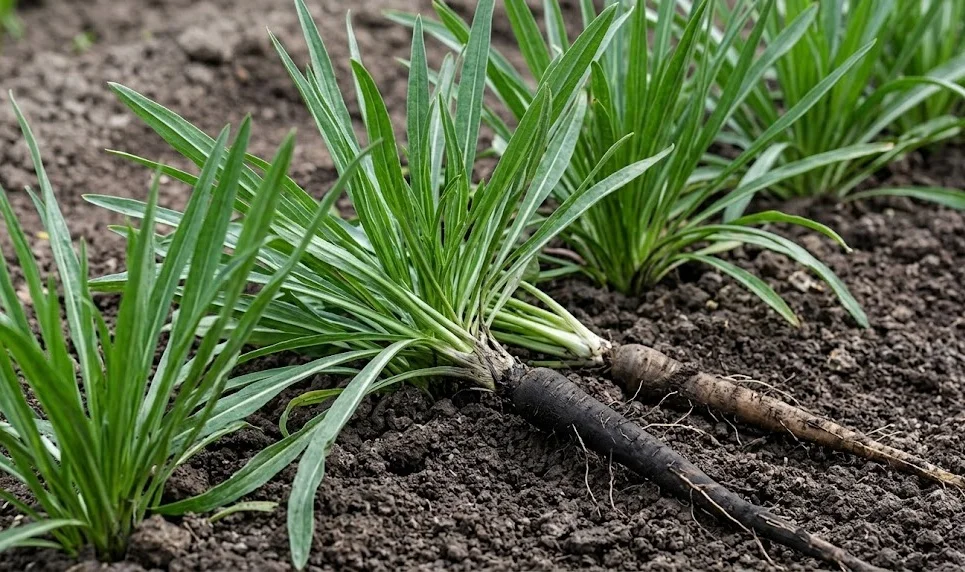
One of the greatest joys of growing black salsify is the ability to harvest fresh, high-quality vegetables when the rest of the garden is bare. You can continue to lift the roots throughout the winter, provided you can physically get a fork into the ground. It is often a good idea to harvest a larger batch of roots just before a predicted deep freeze that might lock the ground for several weeks. These roots can be stored in a cool cellar or the refrigerator, ensuring you have a steady supply even during the harshest weather.
When harvesting in the winter, you must be extra careful with the soil to avoid causing compaction that could affect future plantings. If the ground is very wet or partially frozen, use a broadfork or a long-tined garden fork to lift the roots gently without turning the soil excessively. Minimizing the disturbance to the soil structure helps to preserve the microbial life that is so important for garden health. You should also fill in any holes left by the harvested roots to prevent cold air from reaching the remaining plants in the row.
Keeping track of which roots you have harvested and which remain in the ground is easier if you leave the trimmed leaf stalks visible above the mulch. This prevents you from accidentally digging in areas that are already empty and helps you plan your meals more effectively. If you have a large crop, you might consider harvesting from one end of the bed to the other to keep things organized. This systematic approach ensures that no roots are left behind to bolt and set seed in the spring unexpectedly.
As the ground begins to thaw in late winter, the soil can become quite soft and vulnerable to damage from foot traffic. You should use boards or permanent paths to access your salsify bed to avoid squashing the soil and creating muddy ruts. Maintaining a “hands-off” approach to the soil itself during this transitional period is the professional way to manage a winter vegetable garden. Once the soil has dried out sufficiently in the spring, you can resume normal cultivation and prepare the bed for the next crop.
Vernalization and the transition to the second year
Overwintering in the ground provides the cold period, or vernalization, that black salsify needs to complete its biennial life cycle. Once the plants have experienced several months of cold, they are physiologically programmed to produce a flower stalk as soon as the weather warms up. This transition marks the end of the root’s prime culinary phase, as the energy stored in the taproot is rapidly consumed to support the developing seeds. You must decide whether you want to harvest the remaining roots for food or leave a few to produce seeds for next year.
If you choose to leave some plants for seed production, you will be rewarded with beautiful, yellow, dandelion-like flowers that are highly attractive to pollinators. The plants can grow quite tall in their second year, often reaching over a meter in height, so they may require some staking for support. The seeds themselves are contained within large, fluffy “clocks” that are easily dispersed by the wind, much like those of a dandelion. Harvesting the seeds at the right moment is essential to prevent them from blowing away and becoming weeds in other parts of your garden.
For the roots you intend to eat, the early spring is your final window for a high-quality harvest before the quality begins to decline. You should aim to lift all the remaining edible roots before the new foliage reaches a height of about fifteen centimeters. Once the flower stalk begins to elongate, the root will quickly become tough and may develop a hollow or woody center. Paying close attention to the plants’ behavior in the spring allows you to maximize the value of your overwintered crop.
Understanding the biennial nature of black salsify also helps you plan your overall garden rotation and planting schedule. Because the plants occupy the ground for a full year or more, they require a different management approach than fast-growing annuals like lettuce or radishes. Incorporating this vegetable into your long-term garden plan adds a new dimension of resilience and productivity to your home food system. Mastering the art of overwintering is a significant milestone for any professional gardener looking to extend the harvest season.