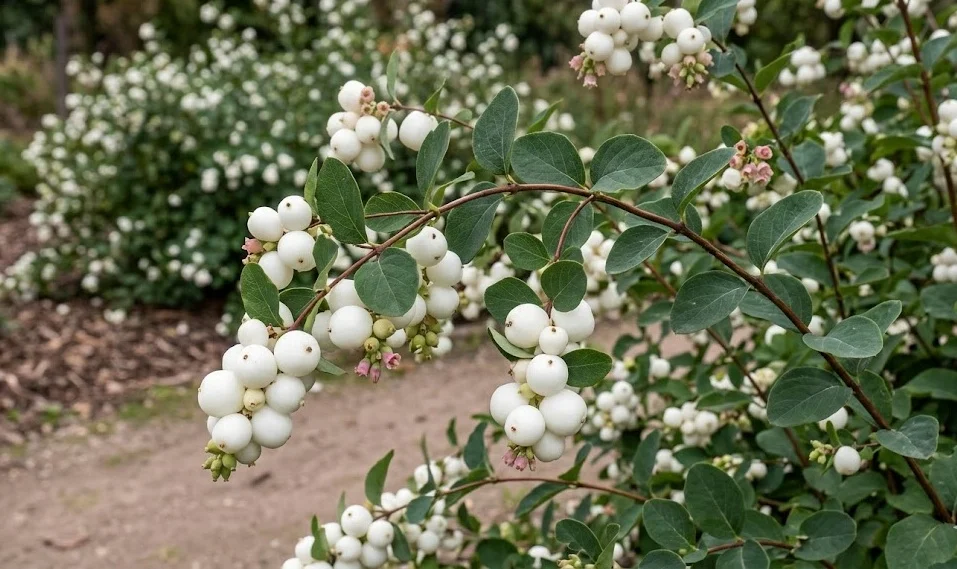

Achieving the perfect balance of hydration and nutrition is essential for the common snowberry to reach its full aesthetic and functional potential. While this shrub is praised for its ability to survive in tough conditions, professional-grade results require a more disciplined approach to its care. Proper watering techniques ensure that the plant remains resilient against environmental stress, while targeted fertilization supports vibrant growth and berry production. This guide details the expert practices necessary to manage these two critical components of snowberry maintenance throughout the year.
The common snowberry has a moderate water requirement, but its needs fluctuate significantly based on the local climate and the time of year. During the active growing season, providing consistent moisture is the key to maintaining lush foliage and a healthy crop of berries. However, it is equally important to avoid over-watering, which can lead to root rot and other moisture-related diseases. A professional understanding of the plant’s water cycle allows for a more efficient and effective irrigation strategy.
Soil fertility is the other side of the coin when it comes to professional shrub care and long-term vitality. The snowberry is not a heavy feeder, but it does benefit from a supplemental supply of nutrients when grown in garden soils that may be depleted. Professional fertilization is about providing the right elements at the right time to support the natural growth stages of the plant. By integrating watering and feeding into a cohesive management plan, one can ensure the shrub remains a highlight of the landscape.
Monitoring the plant’s response to your watering and feeding routine is a fundamental part of the professional gardener’s job. Each site is unique, and what works for one snowberry plantation may need adjustment for another based on soil type and light exposure. Paying close attention to the color of the leaves and the vigor of new stems will provide immediate feedback on your care practices. With a professional and observant eye, you can tailor your approach to meet the specific needs of your plants.
Professional irrigation strategies for health
Developing a professional irrigation schedule for the common snowberry involves understanding the relationship between soil type and water retention. In sandy soils, water drains quickly, meaning the plant may require more frequent but lighter applications of water to stay hydrated. In contrast, clay soils hold moisture for much longer, which necessitates a more cautious approach to prevent saturation. A professional will always test the soil moisture level a few inches below the surface before deciding to turn on the irrigation system.
More articles on this topic
Deep watering is the preferred method for established shrubs, as it encourages the development of a strong and extensive root system. Instead of light, daily sprinkling, a professional approach involves applying a significant amount of water directly to the root zone once or twice a week. This ensures that moisture reaches the lower soil layers where the most important roots are located, making the plant more drought-tolerant. During periods of extreme heat, the frequency of these deep-watering sessions may need to be increased to prevent wilting.
The timing of irrigation can also have a significant impact on the health of the foliage and the efficiency of water use. Watering early in the morning is generally considered the best practice by agricultural professionals and gardeners alike. This allows the plant to take up moisture before the heat of the day increases evaporation and ensures that the leaves have time to dry before evening. Wet leaves at night can create a perfect environment for fungal diseases to take hold, so avoiding evening irrigation is a professional standard.
Drip irrigation systems are often the most efficient way to manage the water needs of the common snowberry in professional landscapes. These systems deliver water slowly and directly to the base of the plant, minimizing waste and keeping the foliage dry. They can be easily automated and adjusted based on seasonal requirements, providing a consistent and reliable water source for the shrubs. Using technology to manage irrigation is a mark of a modern, professional approach to garden maintenance and resource conservation.
Nutrient requirements and fertilization timing
To support the robust growth and famous berry production of the snowberry, a targeted fertilization plan is highly beneficial. While the plant can adapt to various conditions, a balanced supply of macro and micronutrients will enhance its natural beauty and resilience. Nitrogen is essential for leafy growth, while phosphorus and potassium are critical for root development and the production of flowers and fruit. Professional gardeners typically use a balanced, all-purpose fertilizer to meet these basic nutritional needs.
More articles on this topic
The timing of fertilizer application is just as important as the type of nutrients provided to the plant. The most effective time to fertilize the common snowberry is in the early spring, just as the new growth is beginning to emerge. This provides the plant with a boost of energy at the start of its most active period, ensuring it has the resources it needs for the season. Avoid fertilizing in the late summer or autumn, as this can stimulate soft, new growth that is easily damaged by winter frosts.
Slow-release fertilizers are often preferred by professionals because they provide a steady supply of nutrients over several months. This reduces the risk of nutrient leaching and ensures that the plant does not receive an overwhelming dose of chemicals all at once. Organic options, such as well-rotted compost or aged manure, are also excellent choices that improve soil structure while providing nutrition. A professional approach involves matching the fertilizer type to the specific needs of the site and the desired growth rate of the shrub.
Regular soil testing is a professional habit that takes the guesswork out of fertilization and prevents over-application. By knowing exactly what nutrients are already present in the soil, you can apply only what is needed, saving money and protecting the environment. Over-fertilization can lead to excessive foliage at the expense of berries and can make the plant more attractive to certain pests. A science-based approach to nutrition ensures that the common snowberry remains healthy and productive without unnecessary chemical inputs.
Managing water stress and environmental factors
Even with a professional irrigation plan, the common snowberry may sometimes face periods of environmental stress due to weather extremes. Drought stress is characterized by wilting, leaf drop, and a dulling of the foliage color, indicating the plant is struggling to maintain its internal pressure. In these situations, immediate supplemental watering is necessary to prevent long-term damage or death of the branches. Professional care involves being proactive and watching for these signs before they become critical.
Conversely, excessive water can be just as damaging to the snowberry as a lack of it, particularly in sites with poor drainage. Symptoms of over-watering often mimic those of drought, such as yellowing leaves and wilting, which can be confusing for the inexperienced gardener. A professional will check the soil for a foul odor or overly soggy conditions to confirm if poor drainage is the primary issue. Improving the soil structure or adjusting the irrigation schedule is the professional response to these types of problems.
The presence of mulch is a professional secret for managing water stress and reducing the frequency of irrigation. A thick layer of organic material acts as an insulator, keeping the soil cooler during the summer and reducing the amount of water lost to evaporation. It also helps to prevent soil crusting, ensuring that water can easily penetrate the surface and reach the roots where it is needed most. Maintaining a good mulch layer is one of the most cost-effective ways to support the plant’s hydration needs.
During the winter months, the water needs of the snowberry decrease significantly, but the plant should not be allowed to dry out completely. In areas with dry winters and no snow cover, an occasional watering during a warm spell can prevent root desiccation. This is especially important for young plants that have not yet established a deep root system. Professionalism in winter water management involves keeping a subtle eye on soil moisture even when the plant is in its dormant state.
Organic vs. synthetic approaches to nutrition
Professional gardeners often debate the merits of organic versus synthetic fertilizers, but the best approach for the snowberry often depends on the specific goals of the project. Synthetic fertilizers offer precision and immediate availability of nutrients, which can be useful for quickly correcting a deficiency. They are easy to measure and apply, making them a popular choice for large-scale agricultural or commercial landscape settings. However, they do little to improve the long-term health of the soil and can sometimes lead to salt buildup.
Organic fertilizers, on the all other hand, focus on building a healthy soil ecosystem that supports the plant over time. Materials like compost, bone meal, and fish emulsion break down slowly, providing a sustained release of nutrients while improving soil aeration and moisture retention. This approach is often favored by those looking to create a more sustainable and ecologically friendly garden. Professionals often use a combination of both methods, using synthetics for an initial boost and organics for long-term soil maintenance.
The choice of nutrition also affects the biodiversity within the garden, particularly the health of beneficial soil microorganisms. Organic practices tend to support a wider range of soil life, which in turn helps the snowberry by making nutrients more available through natural processes. In professional settings where environmental impact is a priority, organic fertilization is becoming the standard for managing ornamental shrubs. Understanding the long-term effects of each nutritional approach is a key part of professional horticultural expertise.
Regardless of the method chosen, the goal remains a healthy, productive snowberry that enhances its surroundings. Professional results are achieved through consistency and a commitment to understanding the underlying biology of the plant. By regularly assessing the growth and appearance of the shrub, you can adjust your nutritional strategy to ensure optimal performance. A professional approach to feeding the snowberry is an investment in the future beauty and stability of the entire landscape.
Long-term monitoring and adaptive care
As the common snowberry matures, its water and nutritional needs may change, requiring an adaptive approach to its long-term care. Older plants with established root systems are generally much more drought-tolerant and may require less frequent irrigation than younger specimens. However, they may also deplete the soil of specific nutrients over time, necessitating a more targeted fertilization strategy. Professional maintenance involves a periodic review of the plant’s performance to determine if any changes to the care routine are needed.
Environmental changes, such as the growth of nearby trees or changes in local drainage patterns, can also impact the shrub’s requirements. A professional gardener stays aware of these shifts and adjusts the watering and feeding schedules accordingly to maintain the plant’s health. For example, if a nearby tree begins to cast more shade, the snowberry may require less water than it did in full sun. This level of attentiveness is what defines a professional and ensures the longevity of the landscape features.
Record-keeping is a valuable professional tool for tracking the effectiveness of different watering and fertilization regimes over several seasons. By noting the dates of application, the amounts used, and the plant’s subsequent growth, you can refine your practices for better results. This data-driven approach allows for more precise management and helps to avoid repeating mistakes from the past. A professional is always learning from their plants and using that knowledge to improve their horticultural techniques.
The ultimate aim of watering and fertilization is to support a plant that can withstand the challenges of its environment with minimal intervention. A healthy snowberry is better equipped to resist pests and diseases and will continue to produce its beautiful berries year after year. By following professional guidelines and maintaining a high standard of care, you can ensure that this remarkable shrub remains a cornerstone of your garden. Success in the garden is a journey of continuous improvement and dedication to the health of the living landscape.