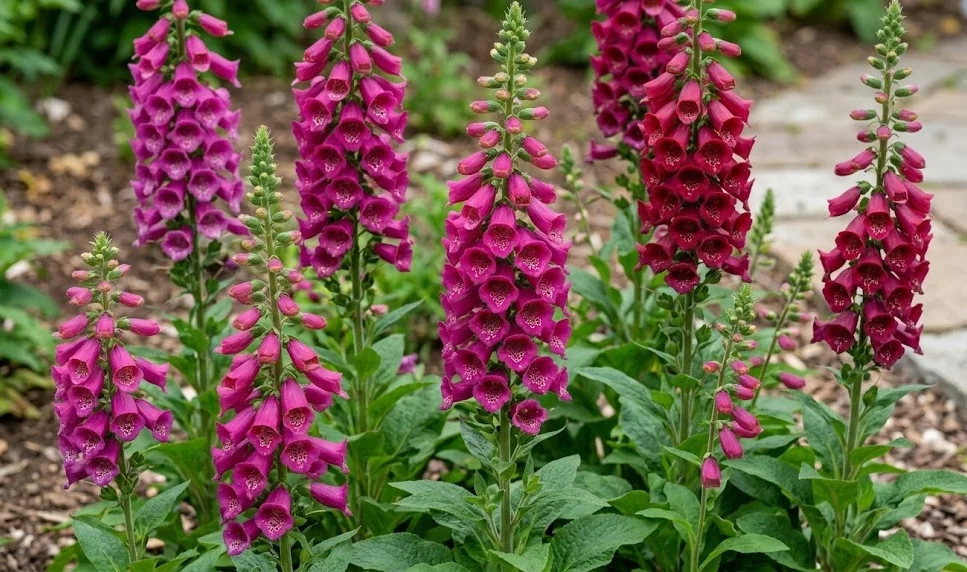

The physiological health and floral brilliance of common foxglove are heavily dependent on a consistent and well-managed regime of hydration and nutrition. These woodland natives have evolved to thrive in environments where moisture is readily available and the soil is naturally enriched by decaying organic matter. In a garden setting, replicating these conditions requires a proactive approach to irrigation and a nuanced understanding of soil fertility. Proper management ensures that the plants develop deep roots and the energy required to produce their iconic tall flower spikes.
Watering is perhaps the most critical daily task during the active growing seasons of spring and summer, especially for young rosettes. Because the leaves of the foxglove are relatively large, they lose a significant amount of moisture through transpiration during warm, sunny days. If the soil is allowed to dry out completely, the plant will quickly wilt, which can cause permanent damage to the cellular structure and stunt future growth. Providing a deep soak at regular intervals is much more effective than light, frequent sprinkling, as it encourages the roots to grow deeper into the soil.
Fertilization should be viewed as a supplement to, rather than a replacement for, high-quality soil preparation and organic management. A plant that is forced into rapid growth with excessive synthetic nitrogen will often have weak stems that cannot support the weight of its own flowers. The goal of a professional fertilizing program is to provide a balanced array of macro and micro-nutrients that support all aspects of the plant’s biology. This includes healthy leaf development, robust root systems, and the complex chemical processes required for flower production.
Seasonal adjustments to both watering and fertilizing are necessary to account for the changing needs of the foxglove as it moves through its life cycle. During the dormant winter months, the plant’s demand for water is greatly reduced, and supplemental feeding should be stopped entirely. As spring arrives and the days lengthen, the increase in metabolic activity necessitates a corresponding increase in nutrient availability. By paying close attention to the weather and the plant’s appearance, the gardener can provide exactly what is needed at each stage of development.
Optimal irrigation techniques
The method by which water is delivered to the common foxglove is just as important as the quantity of water provided. It is highly recommended to apply water directly to the soil surface around the base of the plant rather than spraying the foliage from above. This practice keeps the leaves dry, which significantly reduces the likelihood of fungal infections like rust or powdery mildew. Using a soaker hose or a drip irrigation system is an excellent way to provide slow, deep hydration while keeping the crown of the plant clear of excess moisture.
More articles on this topic
Early morning is the ideal time for irrigation, as it allows the soil to absorb the moisture before the heat of the day increases evaporation rates. Any accidental splashes on the leaves will have plenty of time to dry off in the morning sun, further protecting the plant’s health. Watering in the evening is generally discouraged because the damp conditions overnight can attract slugs and encourage the growth of pathogenic fungi. A consistent schedule helps the plant maintain its turgidity and prevents the stress associated with erratic moisture levels.
During periods of extreme heat or prolonged drought, the gardener must be prepared to increase the frequency of watering to compensate for the higher transpiration rates. Mulching plays a vital role here, as it acts as a protective barrier that slows down the evaporation of water from the soil surface. A thick layer of organic material can keep the root zone several degrees cooler, which is a significant advantage for a plant that naturally prefers a cool forest floor. Observing the leaves for signs of “afternoon wilt” can help you decide if an emergency watering is necessary.
In container cultivation, common foxgloves require even more frequent attention to their water needs because the small volume of soil dries out much faster than the open ground. Using a high-quality potting mix with good water-holding capacity is essential for success in pots. It is also helpful to use larger containers that can hold more moisture and provide better insulation for the roots. Checking the soil moisture by hand every day is the only way to ensure that container-grown foxgloves stay healthy and vibrant throughout the summer.
Drainage and its impact on root health
While common foxgloves love moisture, they are extremely sensitive to waterlogged soil, which can lead to rapid root rot and the death of the plant. Good drainage is non-negotiable, as the roots need access to oxygen just as much as they need access to water and nutrients. If your garden has heavy clay soil that tends to hold water, it is essential to improve the structure by adding grit, sand, or large amounts of organic compost. Raising the planting area into a slight mound can also help excess water drain away from the sensitive crown of the plant.
More articles on this topic
The signs of poor drainage are often visible in the leaves long before the plant actually collapses. If you notice that the leaves are turning yellow or looking generally sickly despite the soil being wet, it is a classic symptom of root distress. In such cases, the roots are literally drowning because they cannot breathe in the saturated soil. Immediate action is required to either move the plant to a better location or to improve the drainage of the existing bed.
Winter drainage is a particular concern for the overwintering rosettes, as cold, wet soil is a lethal combination for many biennials. When the ground is frozen, any standing water on the surface can seal off the soil from the air, causing the roots to suffocate. This is why it is so important to clear away heavy, wet mulch or fallen leaves that might trap moisture around the base of the plant during the winter months. A well-drained site ensures that the foxglove survives the dormant season in good condition, ready for the spring.
For those gardening on steep slopes or very sandy soil, the challenge is the opposite: ensuring that the water stays around the roots long enough to be absorbed. In these situations, creating small terraces or “basins” around the base of each plant can help catch and hold the water during irrigation. This ensures that the water penetrates deeply into the root zone rather than simply running off the surface. Understanding the specific drainage characteristics of your garden is the first step in creating a perfect watering plan.
Nutrient requirements and soil fertility
The nutritional needs of common foxglove are best met through a combination of inherent soil fertility and targeted supplemental feeding. These plants are relatively heavy feeders, especially during the second year when they are preparing to produce their massive flower stalks. A soil that is rich in well-decomposed organic matter will provide a baseline of nutrients that are released slowly over several months. Adding a balanced organic fertilizer in the early spring gives the plants an extra boost as they begin their most vigorous growth phase.
Phosphorus and potassium are particularly important for the development of strong stems and vibrant, long-lasting flowers. While nitrogen helps build the green leaves, it is the other macro-nutrients that provide the structural integrity and the reproductive energy the plant needs. Using a fertilizer with a slightly higher middle and final number (the P and K in the N-P-K ratio) can be very beneficial just as the flower spikes begin to emerge. This ensures that the plant has all the raw materials it needs to create a spectacular visual display.
Trace elements such as magnesium, calcium, and iron also play supporting roles in the complex chemistry of the foxglove plant. A deficiency in any of these micro-nutrients can lead to leaf discoloration or a lack of vigor that prevents the plant from reaching its full potential. Most high-quality organic fertilizers and composts contain a broad spectrum of these trace elements, making them a safer and more effective choice than narrow, synthetic products. Keeping the soil pH within the slightly acidic range also helps ensure that these minerals remain available for the plant to absorb.
Observing the growth patterns of your foxgloves can tell you a lot about the fertility of your soil. If the plants remain small and the leaves are pale, it is a clear sign that they are not getting enough nutrition to thrive. Conversely, if the leaves are excessively large and dark green but the plant fails to produce a sturdy flower spike, you may be over-supplying nitrogen. Finding the right balance is an art that comes with experience and a close connection to the specific conditions of your garden.
Choosing the right fertilizers
The choice between organic and synthetic fertilizers is a significant decision that affects not only the health of the foxgloves but also the long-term quality of the soil. Organic options, such as fish emulsion, seaweed liquid, or well-rotted manure, are generally preferred by professional gardeners for several reasons. These products improve the soil structure and support a healthy population of beneficial microbes while providing a gentle, slow-release source of nutrients. They are much less likely to “burn” the delicate roots of the foxglove if applied slightly too heavily.
Synthetic fertilizers offer a more concentrated and immediate source of nutrients, which can be useful if a plant is showing severe signs of deficiency. However, they do not contribute to the overall health of the soil and can actually harm the microbial life if used excessively over many years. If you do choose to use synthetic products, it is vital to follow the manufacturer’s instructions exactly and to water the plant thoroughly after application. For common foxglove, a balanced, water-soluble fertilizer applied at half-strength every few weeks is often the safest approach.
Liquid fertilizers are particularly useful during the active flowering period because they can be absorbed quickly by both the roots and, in some cases, the leaves. A foliar feed with a seaweed-based product can provide a quick pick-me-up for a plant that is looking a little tired in the middle of a hot summer. It is a good idea to alternate between soil-applied compost and occasional liquid feeds to provide a comprehensive nutritional program. This multi-layered approach ensures that there are no gaps in the plant’s nutrient supply.
Slow-release granular fertilizers are a great “set it and forget it” option for the busy gardener. These products can be scratched into the surface of the soil in the spring and will continue to release nutrients every time the plant is watered or it rains. This provides a very consistent level of nutrition that avoids the “feast or famine” cycle associated with some other feeding methods. No matter which type of fertilizer you choose, the key is to observe the plant’s response and be prepared to make adjustments based on its performance.
Seasonal feeding and watering schedules
Spring is the time to re-awaken the garden and provide the primary nutritional boost that will carry the foxgloves through the blooming season. As soon as the soil can be worked, a top-dressing of fresh compost or a balanced organic granular fertilizer should be applied. This coincides with the natural increase in spring rainfall, which helps wash the nutrients down to the root zone where they are needed most. During this phase, keeping the soil consistently moist but not saturated is the main objective of the irrigation program.
Summer demands a shift in focus toward maintaining hydration and providing quick-acting liquid feeds to support the heavy demand of the flowering spikes. In July and August, the frequency of watering may need to reach once or twice a day for container plants or those in very sunny positions. Feeding with a high-potash liquid fertilizer every two weeks will help keep the flowers looking fresh and encourage any side-shoots to develop. It is a period of high maintenance, but the visual reward of the towering foxgloves makes it all worthwhile.
Autumn is the season to stop all fertilization to allow the plants to begin their natural preparation for dormancy. Any late-season growth stimulated by fertilizer would be soft and very susceptible to damage from the first frosts of winter. Watering should also be gradually reduced as the temperatures drop and the plant’s metabolic rate slows down. If you are planting new rosettes for the following year, they should be watered in well but not fed until the following spring.
Winter care for common foxglove is mostly about protection and monitoring rather than active feeding or watering. In most climates, the natural winter precipitation is more than enough for the dormant rosettes, and extra watering is only needed during exceptionally dry, ice-free periods. It is vital to ensure that no water is allowed to sit on the crowns of the plants, which can cause them to rot during the cold months. By following this seasonal rhythm, you provide a stable and supportive environment that allows the common foxglove to truly shine in your garden.