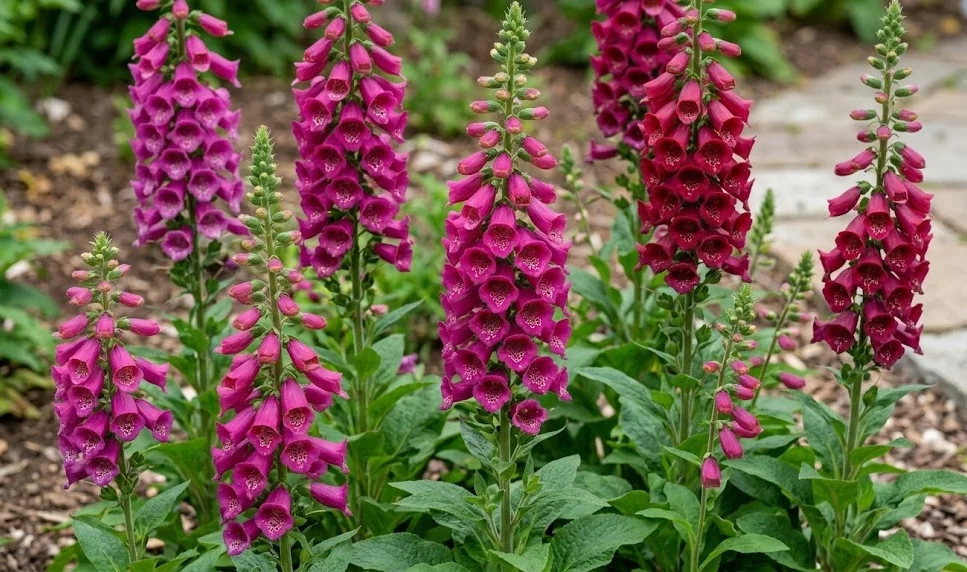

The successful establishment of common foxglove begins with a strategic approach to planting and an understanding of how to propagate these stunning biennials effectively. Whether you are starting from seed or transplanting established rosettes, the timing and location are the most critical factors for future success. These plants are remarkably resilient once they have taken hold, but the initial stages of their life cycle require a gentle and informed hand. A well-planned planting strategy ensures that your garden will be filled with vibrant vertical accents for years to come.
When considering the initial planting site, it is vital to choose a location that offers dappled shade and soil that is rich in organic nutrients. While they can tolerate some direct morning sun, the intense heat of the afternoon can cause the large leaves to lose moisture faster than the roots can replace it. The soil should be worked to a depth of at least twelve inches, incorporating plenty of compost to create a friable and welcoming environment. This preparation allows the young roots to penetrate deeply and establish a firm anchor before the winter months arrive.
Propagation through seeds is the most common and rewarding method for increasing your collection of these iconic garden plants. The seeds themselves are incredibly small, almost like dust, and require light to germinate, meaning they should not be buried deep in the soil. Simply pressing them firmly into the surface of a moist seed-starting mix is usually enough to trigger the germination process. Keeping the trays in a cool, bright location will produce sturdy seedlings that are less likely to become leggy or weak.
Transplanting young rosettes is a task best handled in the late summer or early autumn when the temperatures begin to cool. This timing gives the plants several months to establish their root systems before the ground freezes, which is essential for a successful bloom the following year. When moving a plant, it is important to keep as much of the original root ball intact as possible to minimize transplant shock. Immediate and thorough watering after planting helps the soil settle around the roots and provides the hydration needed for recovery.
Sowing techniques for optimal germination
The process of sowing foxglove seeds requires a steady hand and an eye for detail due to their microscopic size and specific light requirements. Many professionals prefer to sow them in modular trays rather than open flats to minimize root disturbance when it comes time to prick them out. Use a high-quality, fine-textured seed compost that has been pre-moistened to ensure even hydration from the very beginning. Scattering the seeds as thinly as possible helps prevent overcrowding, which can lead to damping-off disease in young seedlings.
More articles on this topic
Since foxglove seeds are light-dependent for germination, they should never be covered with a thick layer of soil or dark mulch. A very light dusting of fine vermiculite can be used to help maintain humidity around the seed while still allowing enough light to penetrate to the embryo. Placing a clear plastic lid or a sheet of glass over the seed tray can further stabilize the environment and prevent the surface from drying out. This controlled microclimate is often the key to achieving high germination rates in a domestic or professional greenhouse setting.
Temperature management is another critical component of the sowing process, as foxgloves prefer relatively cool conditions compared to many summer annuals. Temperatures between sixty and sixty-five degrees Fahrenheit are ideal for triggering a rapid and uniform response from the seeds. If the environment is too warm, the seeds may enter a secondary dormancy or produce weak, spindly growth that is difficult to manage. Once the first true leaves appear, the humidity cover should be gradually removed to allow the plants to harden off and adapt to ambient conditions.
Watering the freshly sown seeds must be done with extreme care to avoid washing them away or burying them under shifted soil. A fine misting spray is the preferred tool for keeping the surface moist without creating any significant water movement. Alternatively, bottom-watering the trays by placing them in a shallow reservoir allows the moisture to wick up through the compost naturally. This gentle approach ensures that the tiny seeds remain exactly where they were placed, maximizing their exposure to the light they need to grow.
Transplanting and spacing rosettes
Moving young foxglove rosettes from their nursery beds to their final garden positions is a transition that requires careful timing and preparation. Ideally, this should occur when the plants have developed at least five or six true leaves and a visible, healthy root system. The receiving soil should be pre-irrigated to ensure that the young plants are not placed into a dry, stressful environment. Creating a hole that is slightly larger than the root ball allows for easy placement without cramping the delicate white root tips.
More articles on this topic
Proper spacing is essential not only for the health of the individual plant but also for the overall aesthetic of the finished garden border. Spacing the rosettes approximately fifteen to twenty inches apart allows each plant to reach its full width without competing for resources. This gap also ensures that there is sufficient airflow between the plants, which is the best defense against powdery mildew and other fungal issues. A well-spaced group of foxgloves creates a lush, full appearance while still maintaining the integrity of each individual spike.
The depth at which the rosette is planted is a technical detail that can determine whether the plant thrives or rots. The crown, which is the point where the leaves meet the roots, should be positioned exactly at the soil surface level. If planted too deep, the crown will be exposed to constant moisture and will likely decay before the plant can flower. Conversely, if the plant is too high, the roots may dry out and the plant will lack the stability needed to support a heavy flower stalk.
After the transplanting process is complete, a gentle firming of the soil around the base of the plant removes large air pockets and ensures good root-to-soil contact. It is beneficial to apply a liquid seaweed extract or a very diluted organic fertilizer to help the plant overcome the stress of moving. Continued monitoring for the first two weeks is necessary to ensure that the young transplants do not wilt or suffer from pest damage. Once established, these rosettes will hunker down for the winter, ready to burst into growth when the spring arrives.
Managing self-seeding populations
One of the greatest joys of growing common foxglove is its ability to naturalize and create its own spontaneous displays through self-seeding. In a mature garden, the original plants will drop thousands of seeds, many of which will find suitable niches to germinate and grow without human intervention. This process creates a very natural, “lived-in” feel that is highly prized in traditional English cottage gardens. Managing this process involves deciding which seedlings to keep and which to remove to prevent the garden from becoming overwhelmed.
To encourage self-seeding, the gardener should leave at least a few of the best flower spikes to mature and dry on the plant. As the seed pods turn brown and begin to split open, they can be gently shaken over the areas where new plants are desired. This simple action mimics the natural dispersal by wind and ensures that the seeds reach the soil surface while they are still fresh. Seedlings that emerge in inconvenient locations, such as in the middle of a path, can be easily hoed out or carefully moved to a better spot.
The resulting seedlings will often exhibit a range of colors and forms, especially if several different varieties are grown in close proximity. This genetic diversity is healthy for the population but can sometimes lead to a loss of specific highly-bred traits over several generations. If you wish to maintain a very specific color, it is best to remove any plants that do not meet the criteria before they have a chance to drop their seeds. This selective thinning is a powerful tool for the gardener to direct the evolution of their own local foxglove population.
In the late spring, the ground beneath the previous year’s plants will often be covered in a carpet of tiny green rosettes. These young plants can be thinned out to provide enough space for the strongest individuals to develop into full-sized specimens. Leaving them too crowded will result in many small, stunted plants that produce inferior flower spikes in their second year. By selecting the most vigorous seedlings and giving them the space they need, the gardener ensures a spectacular and sustainable floral display year after year.
Propagating by division
While common foxglove is primarily grown from seed, it is sometimes possible to propagate specific perennial-leaning varieties or exceptional individuals through division. This method is less common for the strictly biennial types but can be very effective for the short-lived perennial cultivars often found in professional nurseries. Division is best performed in the early spring just as the first signs of new growth appear in the center of the rosette. Using a sharp spade or garden knife, the crown can be carefully split into two or three smaller sections.
Each divided section must have a healthy portion of the root system and at least one visible growing point to be successful. These divisions should be replanted immediately into freshly amended soil to prevent the exposed roots from drying out in the air. This technique allows the gardener to create identical clones of a favorite plant, ensuring that its specific color and form are preserved. It is a more advanced technique that requires a bit more care than sowing seeds, but the results are much more predictable.
The newly divided plants will require consistent moisture for several weeks as they work to repair their damaged root systems and re-establish themselves. Providing a little temporary shade can also help reduce the stress on the foliage while the roots are underperforming. While not every division will survive, those that do will often grow with surprising vigor and may even flower in the same year if the division was large enough. This method is particularly useful for building up a stock of a rare or expensive variety quickly.
Professional growers often use division as a way to rejuvenate older plants that have become woody or less productive over time. By breaking up the old crown and replanting the younger, more vigorous outer sections, the life of the plant can be extended. This practice also helps manage the size of the plant and prevents it from becoming a source of disease or clutter in the border. Whether using seeds or division, the goal remains the same: to perpetuate the beauty and elegance of the common foxglove in the garden landscape.