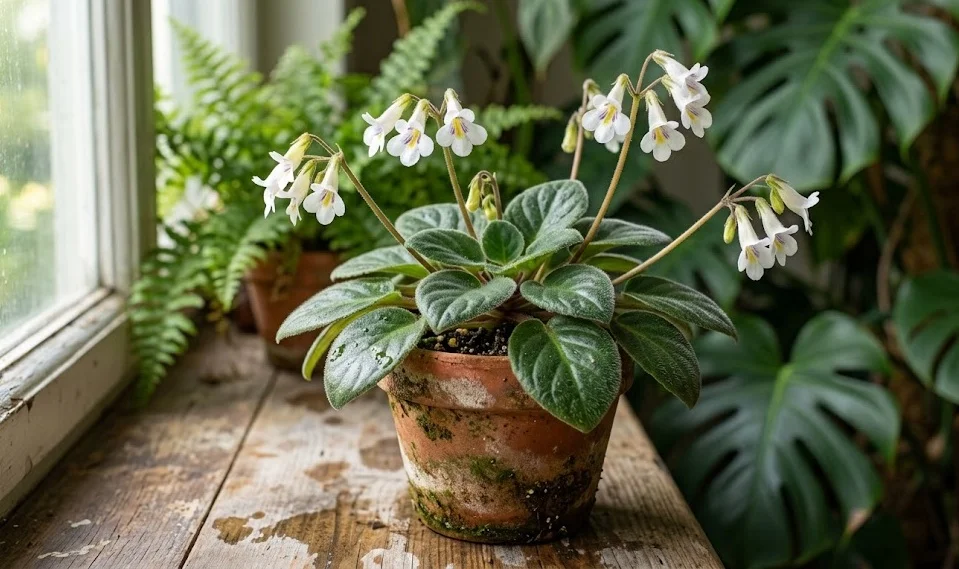

Pruning the vietnamese primrose is not a complicated task, but it is an essential part of keeping your plant healthy and attractive. The primary goal of regular pruning is to remove any dead, damaged, or diseased tissue before it can cause problems for the rest of the plant. You should use a pair of small, sharp scissors or even just your fingernails to carefully snip away any yellowing leaves at the base. Removing these spent leaves allows more light and air to reach the center of the rosette.
When you are pruning, it is very important to make your cuts as close to the main stem as possible without damaging the healthy tissue. Leaving long stubs can provide a place for rot to start, which can then spread into the main body of the plant. You should also ensure that your tools are clean and sterilized before you begin working on your collection. This simple precaution prevents the spread of pathogens from one plant to another in your indoor garden.
Regularly cleaning the leaves of dust and debris can be considered a form of light maintenance that keeps the plant functioning at its peak. Since the leaves are covered in fine hairs, they can easily trap dust which blocks sunlight and hinders the plant’s ability to breathe. You can use a soft, dry brush to gently sweep the surface of each leaf as part of your weekly care routine. A clean plant is not only more beautiful but also much more resilient against pests and diseases.
You might also need to prune back any leaves that are blocking the sunlight from reaching the center where the new growth happens. In a very healthy and dense plant, the outer leaves can sometimes become so large that they shade the heart of the rosette. Carefully thinning out a few of these older leaves can encourage more vigorous growth and even stimulate more flower production. Always aim for a balanced and symmetrical look when you are performing this type of aesthetic pruning.
Managing flowers and spent stalks
Deadheading is the process of removing faded flowers and their stalks, and it is vital for encouraging a long blooming season. Once a flower begins to wilt and turn brown, the plant starts to put energy into producing seeds rather than more blossoms. By removing the spent stalks, you signal to the plant that it should continue to produce new buds for your enjoyment. You can simply pinch the stalk near the base once all the flowers on that particular stem have finished.
More articles on this topic
Be careful not to pull on the flower stalks, as the stems of the vietnamese primrose are quite brittle and can snap easily. If you pull too hard, you might accidentally damage the center of the plant or even uproot it from the soil. Using a pair of fine-tipped floral snips allows for much more precision and safety when working in the tight spaces of the rosette. Professional results are often the result of using the right tools for these delicate tasks.
Sometimes a flower stalk might only have one or two faded blooms while others are still looking fresh and beautiful. In this case, you can just snip off the individual dead flowers to keep the plant looking tidy without removing the whole stalk. This keeps the display looking its best for as long as possible before the entire stem finally needs to be cut back. Attention to these small details is what separates a casual grower from a true gardening expert.
After the entire flowering cycle is over, you should remove any remaining stalks all the way down to the base of the plant. This keeps the center of the rosette clean and prevents any old, decaying material from attracting pests like fungus gnats. Your primrose will then enter a short resting phase before it begins the process of building up energy for the next round of blooms. Proper post-flowering maintenance ensures that the plant stays in peak condition throughout the entire year.
Rejuvenating and shaping older plants
As the vietnamese primrose ages, it may naturally lose its lower leaves, resulting in a small “trunk” or neck visible below the rosette. While this is a normal part of the plant’s life cycle, it can eventually make the specimen look a bit untidy or unstable. You can prune back the roots slightly and repot the plant deeper in the soil to hide this stem and encourage new root growth. This rejuvenation technique helps keep an older plant looking young and vigorous for many years.
More articles on this topic
If the plant has become very overgrown or has lost its symmetrical shape, you can perform a more significant pruning to reset its growth. You can remove a larger number of the older, outer leaves to focus the plant’s energy back into the center of the rosette. This might look a bit drastic at first, but the plant will usually respond with a flush of healthy, new growth within a few weeks. Shaping your plants is an ongoing process that helps them fit perfectly into your home’s decor.
In some cases, you might want to prune the plant specifically to prepare it for propagation from leaf cuttings. You should choose the healthiest, most mature leaves for this purpose and remove them with a clean, angled cut at the base. This not only gives you material for new plants but also thins out the parent plant, which can be beneficial for its long-term health. Propagation and pruning go hand in hand for any serious collector of this beautiful species.
Finally, always observe the plant’s reaction to your pruning for a few days to ensure it is recovering well. If you notice any signs of stress or rot at the site of the cuts, you may need to adjust your technique or environmental conditions. Most primroses are very resilient and will quickly bounce back from a light pruning session with even more beauty. Consistent and thoughtful maintenance is the best gift you can give to your vietnamese primrose collection.