
Understanding the interaction between light and plant physiology is essential for achieving the best aesthetic results in your garden. This species is famous for its color-changing foliage, a feature that is directly influenced by the amount and quality of sunlight it receives. By placing your shrubs in the optimal light environment, you can maximize their visual impact and ensure their overall health. This article explores the specific light needs of this versatile evergreen and how to manage them.
Sunlight provides the energy that the plant uses to produce food through the process of photosynthesis. Without enough light, growth will be slow, the branches will become leggy, and the vibrant colors will fade to a dull green. Conversely, too much intense sun can scorch the leaves and cause them to turn brown and dry. Finding the perfect balance is one of the most important aspects of professional gardening.
The angle and intensity of the sun change throughout the day and across the different seasons of the year. You must consider how these changes will affect your plants and be prepared to make adjustments if necessary. A spot that is perfectly lit in the spring may be too hot in the mid-summer or too dark in the late autumn. Observation is the key to understanding the dynamic light environment of your garden.
In addition to its role in energy production, light also acts as a signal that triggers various growth responses in the plant. The transition from green to red in the new leaves is a protective response to high light levels that prevents damage to the young tissues. By manipulating the light environment, you can encourage the plant to produce more of this desirable red foliage. Mastering this interaction allows you to become a much more effective and creative grower.
Full sun and partial shade needs
For the most vibrant leaf colors and the densest growth, this shrub generally prefers a location in full sun. This means it should receive at least six to eight hours of direct sunlight every day during the growing season. In these conditions, the new growth will be a brilliant red and the shrub will maintain a tight, bushy shape. If you want a striking focal point or a solid hedge, a sunny spot is the best choice.
More articles on this topic
However, in regions with very hot summers, a bit of afternoon shade can be beneficial to prevent the leaves from burning. The intense heat of the midday sun can be stressful for the plant, especially if the soil is not perfectly moist. Providing some dappled shade during the hottest part of the day will keep the foliage looking fresh and healthy. This balance between light and protection is a hallmark of professional landscape design.
The shrub is also surprisingly tolerant of partial shade, though its appearance will change as a result. In shadier locations, the growth will be more open and the red colors of the new leaves will be less intense. You might find that the plant becomes a bit leggy as it reaches toward the light sources. While it will still be a healthy and attractive plant, it will not have the same dramatic impact as a specimen grown in full sun.
You should avoid planting this species in full shade, such as under a very dense tree canopy or on the north side of a tall building. Without enough light, the shrub will struggle to produce enough energy to maintain its foliage and may eventually decline. If you have a shady spot, there are other species that are much better suited to those conditions. Choosing the right plant for the right light environment is a fundamental skill for any gardener.
Impact of light on leaf color
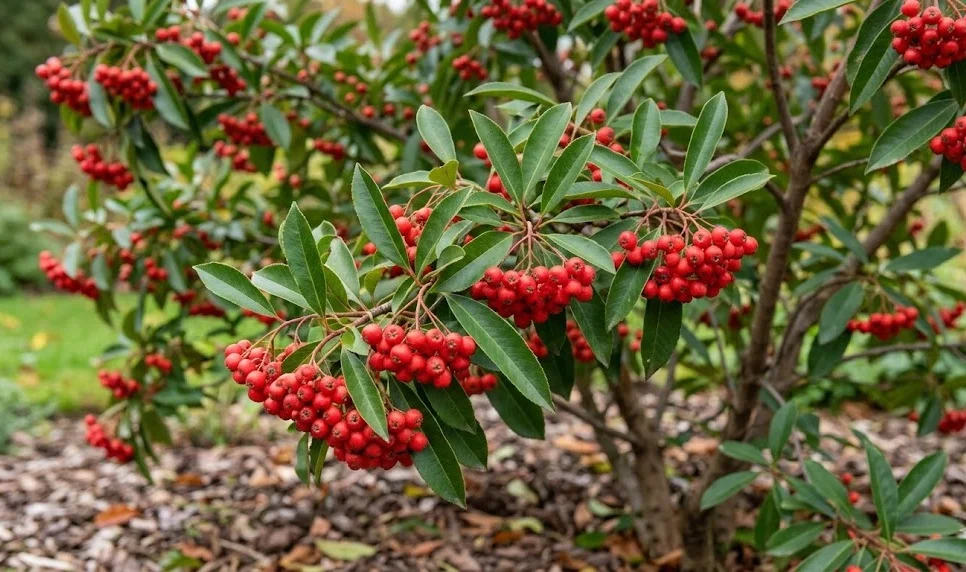
The brilliant red color of the new leaves is caused by pigments called anthocyanins, which protect the delicate tissues from ultraviolet radiation. When the plant is exposed to high levels of sunlight, it produces more of these pigments to shield its cells. This is why the red color is always most intense on the outer parts of the shrub that receive the most direct sun. Understanding this biological process allows you to appreciate the functional beauty of your garden.
More articles on this topic
As the leaves mature and their cell walls thicken, the need for this protective pigment decreases and the plant begins to produce more chlorophyll. This causes the leaves to transition from red to a deep, glossy green that is equally attractive. If the plant is growing in a shadier spot, this transition happens more quickly and the initial red color is much lighter. The light environment directly determines the duration and intensity of this seasonal display.
You can stimulate the production of more red foliage by performing light trimming to encourage new growth in sunny areas. Each time you cut back the tips of the branches, the plant responds by pushing out fresh shoots with their characteristic red leaves. By timing your pruning to coincide with periods of high light, you can maximize the color impact in your garden. This technique is a professional way to manage the aesthetic appeal of your shrubs.
In the autumn and winter, the light levels drop and the plant’s metabolism slows down as it enters dormancy. The colors of the leaves may become more muted, and the glossy finish may appear less brilliant than during the summer peak. This is a natural response to the changing environment and is nothing to worry about. As the light returns in the spring, the cycle will begin again with a fresh burst of vibrant color.
Adjusting light for container plants
Growing this shrub in a container gives you the unique advantage of being able to move the plant to different locations as the light changes. You can place the pot in a very sunny spot in the spring and autumn when the light is less intense. During the height of the summer, you can move it to a location that receives some afternoon shade to prevent heat stress. This flexibility allows you to provide the perfect light environment all year round.
When moving a container plant, you should always do it gradually to avoid shocking the foliage. If a plant has been in a shady spot for a long time, moving it directly into full sun can cause the leaves to burn almost immediately. Spend a few days moving it into progressively brighter light until it has acclimated to the new conditions. This careful approach ensures that the plant remains healthy and vibrant during the transition.
The material and color of the container can also affect how the plant interacts with light and heat. A dark-colored pot will absorb more sunlight and can cause the soil and roots to overheat during a hot day. In very sunny locations, a lighter-colored container or one made of a more insulating material like wood or thick ceramic is a better choice. Thinking about these small details is part of professional container gardening.
Finally, you should be aware of how light reflects off nearby surfaces like white walls or glass windows. This reflected light can significantly increase the intensity of the exposure and may lead to unexpected leaf scorch. You should monitor your container plants closely when they are placed near these types of structures. By being proactive and observant, you can ensure that your potted shrubs receive exactly the right amount of light.