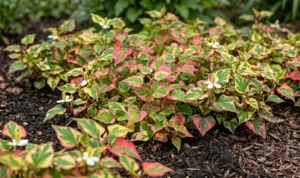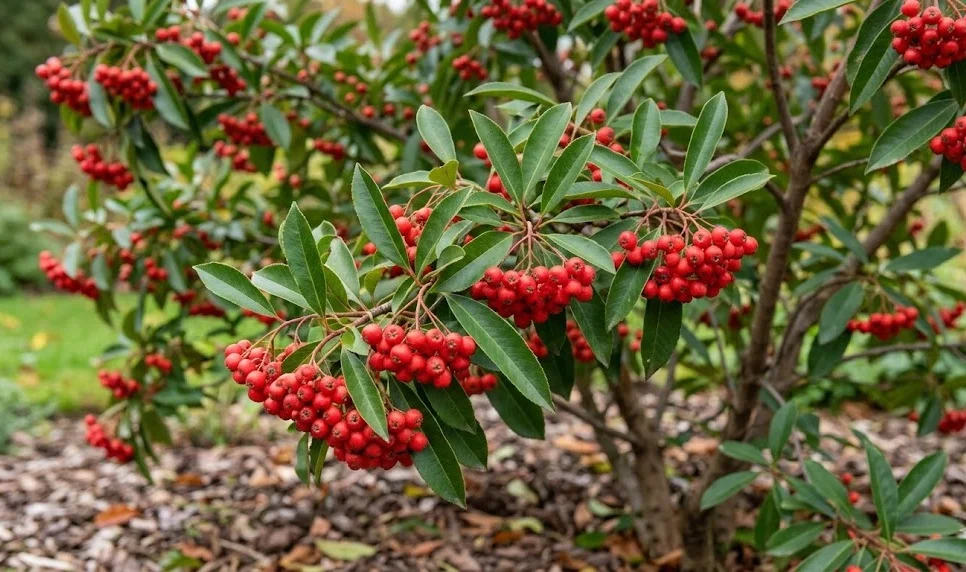

Preparing your evergreen shrubs for the challenges of the cold season is a critical task for any gardener in temperate climates. While this species is known for its durability, extreme temperatures and harsh winds can still cause significant damage to the foliage and stems. By taking proactive measures in the autumn, you can ensure that your plants emerge in the spring with minimal stress. This article outlines the professional steps for protecting your collection throughout the winter months.
The primary goal of overwintering is to prevent moisture loss from the leaves while the ground is frozen. This process, often referred to as desiccation, occurs when the winter sun and wind draw water out of the foliage faster than the dormant roots can replace it. If the plant becomes too dehydrated, the leaves will turn brown and may even fall off entirely. Understanding this physiological challenge allows you to provide the right kind of protection.
Timing your preparations correctly is essential for ensuring that the plant is ready when the first frost arrives. You should begin your winterizing routine in the late autumn as the temperatures start to drop consistently. Do not wait until the ground is already frozen, as some of the most effective measures require you to work with the soil. A well-timed approach ensures that your efforts provide the maximum benefit to the shrub.
Winter is also a time when the physical structure of the plant can be at risk from heavy snow or ice. The weight of accumulated snow can bend or even break the branches, leading to permanent disfigurement or death of the limb. Monitoring your garden after a storm and gently clearing the branches can prevent this type of mechanical damage. A little bit of attention during the coldest months goes a long way toward maintaining a beautiful garden.
Understanding cold hardiness limits
Every plant has a specific range of temperatures that it can tolerate before it begins to suffer from cellular damage. You should research the specific hardiness zone for your region and compare it to the needs of the shrub. While this species is relatively hardy, prolonged exposure to temperatures far below its limit will cause serious issues. Knowing these boundaries helps you decide how much protection is necessary for your specific location.
More articles on this topic
Microclimates within your own garden can also influence how well the plant handles the cold. A shrub planted in a sheltered corner near a house will often stay several degrees warmer than one in an open, windy field. You should use these local variations to your advantage when deciding where to place your most sensitive specimens. Observing how frost settles in your garden will provide clues about which areas are the most vulnerable.
Younger plants and those that have been recently transplanted are always more susceptible to cold damage than mature ones. Their root systems are not yet deep enough to reach below the frost line where the ground stays slightly warmer. If you have any young shrubs, you should provide them with extra protection during their first few winters. Once they are established, they will be much more capable of looking after themselves.
Healthy plants that have received proper care throughout the year are also much better at surviving the winter. A shrub that is stressed by drought or nutrient deficiencies will have fewer resources to dedicate to cold protection. This is why maintaining a consistent care routine in the spring and summer is so important for long-term survival. Your actions in the warmer months are the foundation for the plant’s winter resilience.
Preparing the shrub for frost
The first step in winter preparation is to ensure the plant is well-hydrated before the ground freezes solid. You should continue to water the shrub deeply throughout the autumn if the rainfall is insufficient. This ensures that the tissues are full of moisture and the plant has a reserve to draw from during the dry winter months. Never let the plant go into the winter with dry roots, as this is a recipe for disaster.
More articles on this topic
You should avoid any pruning or fertilization in the late summer or early autumn. As mentioned in previous articles, these activities can stimulate new, tender growth that does not have time to harden off before the frost. This soft growth is the first part of the plant to be damaged by the cold, and it can provide an entry point for diseases. Letting the plant enter its natural dormant phase is the best strategy for winter survival.
Cleaning up the area around the base of the shrub is another important task for the late autumn. Removing fallen leaves and spent flowers reduces the risk of fungal infections that can thrive in the damp winter environment. It also prevents small rodents from making a home near the stem, where they might chew on the bark for food. A tidy garden is a safer garden for your evergreen specimens.
Finally, you should check the structural integrity of the branches and ensure they are ready for the weight of snow. If you have a particularly large or leggy shrub, you might want to provide some temporary support or light tying. This prevents the branches from splaying outward and breaking under the pressure of winter weather. Taking these physical precautions protects the aesthetic shape you have worked so hard to create.
Protective mulching and shielding
A thick layer of organic mulch is one of the most effective ways to protect the root system from freezing and thawing cycles. You should apply about ten centimeters of bark, straw, or wood chips around the base of the plant in the late autumn. This insulating layer helps to keep the soil temperature more consistent and prevents the roots from being pushed out of the ground. Mulching is a simple, professional technique that provides multiple benefits for your shrubs.
In areas with particularly harsh winters, you may need to provide some form of physical shielding for the foliage. A burlap screen or a temporary fence can break the force of the wind and prevent the leaves from drying out. You should place the shield on the side of the plant that faces the prevailing winter winds. Avoid wrapping the plant too tightly, as some air circulation is still necessary to prevent moisture buildup and rot.
For smaller or especially vulnerable plants, you can create a simple cage out of wire mesh and fill it loosely with dry leaves. This provides a high level of insulation that can protect the shrub from even the most extreme temperatures. Be sure to remove the leaves and the cage as soon as the weather begins to warm up in the spring. This method is very effective for ensuring the survival of prized specimens in cold regions.
Anti-desiccant sprays are another option that can provide a thin, protective coating on the surface of the leaves. These products help to reduce moisture loss through transpiration and can be very effective for evergreen species. You should apply the spray on a calm day when the temperature is above freezing to ensure a uniform coating. Following the manufacturer’s instructions will help you achieve the best results with this professional tool.
Managing late winter recovery
As the days begin to lengthen and the temperatures rise, the shrub will slowly start to emerge from its dormant state. This is a critical time when the plant is vulnerable to late spring frosts that can damage the new growth. You should keep your protective materials nearby and be ready to cover the plant if a sudden cold snap is predicted. Patience is required during this transitional period to avoid losing all your winter preparation work.
Once the danger of hard frost has passed, you can gradually remove the mulch and any physical shields you have put in place. Do not do this all at once, as the plant needs time to adjust to the increased light and air exposure. Slowly thinning out the mulch allows the soil to warm up more naturally and encourages the roots to start growing. This careful transition sets the stage for a successful spring and summer season.
You should inspect the shrub for any signs of winter damage, such as brown leaves or broken branches. Wait until the new growth begins before you do any major pruning, as some branches that look dead may still be viable. Removing the truly damaged parts will help the plant focus its energy on the healthy sections. This initial cleanup is the first step in your spring maintenance routine.
Finally, a light application of balanced fertilizer can help the plant recover from the stress of winter and start the new year strong. As discussed in the fertilization article, providing the right nutrients at the right time is essential for vigorous growth. Your shrub will reward your winter care with a beautiful display of fresh red and green foliage. Successful overwintering is a testament to your skill and dedication as a professional gardener.