
Maintaining a vibrant garden requires a deep understanding of the specific needs of each plant species you choose to cultivate. The lady’s mantle is a remarkably resilient perennial that offers unique aesthetic value through its pleated foliage and delicate chartreuse flowers. To ensure its longevity and health, a gardener must balance regular observation with targeted maintenance tasks throughout the growing season. This comprehensive guide explores the essential practices required to keep this classic garden favorite thriving in diverse landscape settings.
Establishing a consistent routine is the first step toward successful horticultural management for any perennial variety. You should monitor the plant’s growth daily to identify any early signs of stress or environmental changes that might affect its development. Proper maintenance involves more than just reactive care; it requires a proactive approach to soil health and space management. By understanding the natural lifecycle of the foliage, you can better anticipate when the plant needs intervention and when it is best left to its own devices.
The physical structure of the garden bed plays a significant role in how well these plants adapt to their environment over several years. You must ensure that the surrounding area remains free of aggressive weeds that could compete for vital subsurface resources and nutrients. Applying a thin layer of organic mulch around the base of the plant can significantly improve moisture retention while suppressing unwanted seed germination. This simple practice not only saves time on weeding but also creates a more stable thermal environment for the root system during temperature fluctuations.
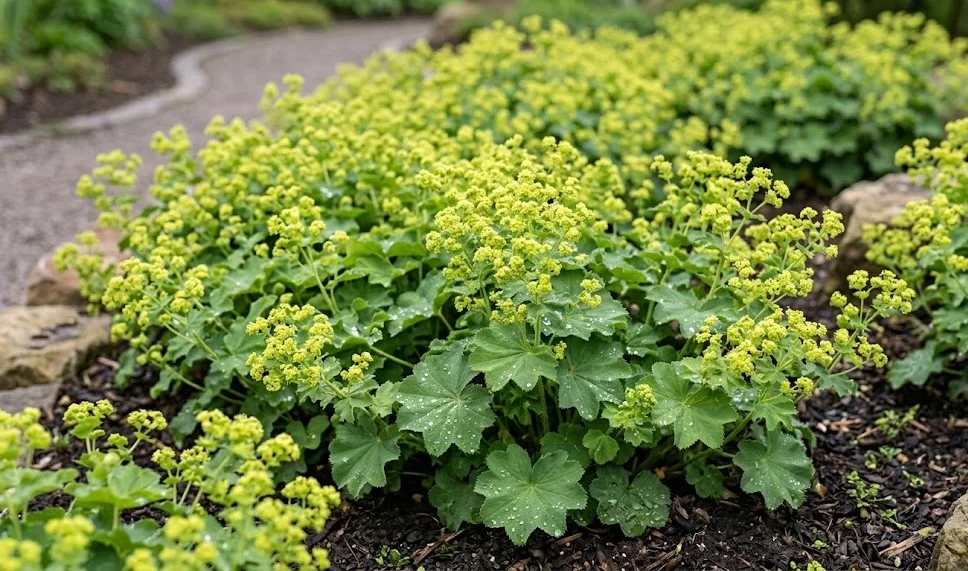
Long-term success with this species is often determined by the gardener’s ability to adapt to changing local weather patterns and microclimates. During periods of intense heat or unexpected dry spells, the frequency of your maintenance activities should increase to compensate for environmental pressures. Observing the way water beads on the unique hairs of the leaves can give you a clue about the plant’s current level of hydration and overall vitality. Expert care involves a subtle touch and an eye for detail that only develops through seasons of direct interaction with the soil and foliage.
General maintenance principles
A professional approach to gardening starts with the right mindset regarding the natural balance of the ecosystem in your backyard. You should view each plant as a living entity that responds dynamically to the care and attention provided by the human hand. Consistency in your daily or weekly rounds ensures that no small issue evolves into a major problem that threatens the health of the entire border. By dedicating specific times for inspection and light upkeep, you create a sustainable environment where perennials can reach their full genetic potential.
More articles on this topic
The architecture of the lady’s mantle requires a specific type of spatial awareness when you are designing and maintaining your perennial borders. These plants tend to spread outwards, creating a dense canopy that shades the ground and protects the root zone from direct solar radiation. You must ensure that neighboring plants are not being overwhelmed by this expansive growth habit, which may require occasional thinning or repositioning of adjacent species. Maintaining a clear boundary between different plant groups helps in preventing the spread of localized issues and simplifies the overall management of the garden.
Environmental factors such as wind exposure and humidity levels can drastically alter the maintenance requirements of your foliage from one week to the next. In areas with high humidity, you should pay extra attention to air circulation within the plant’s structure to prevent the buildup of stagnant pockets of air. Conversely, in windy locations, you might need to provide some form of natural or artificial screening to protect the delicate leaves from drying out too quickly. Understanding these nuances allows you to tailor your care routine to the specific geographic challenges of your region.
Developing a seasonal calendar for your gardening tasks will help you stay organized and ensure that no critical step is missed during the busy growing months. You should record the dates when the first leaves appear and when the flower stalks begin to emerge to better predict future growth cycles. This historical data becomes an invaluable resource as you refine your techniques and learn the specific rhythms of your local environment. Professional horticulturists often keep detailed journals to track the success of various interventions and to plan for future improvements in the landscape.
Soil and nutrient management
The foundation of a healthy plant always lies within the quality and composition of the soil in which it is anchored throughout its life. You need to ensure that the earth is rich in organic matter and possesses a texture that allows for both drainage and moisture retention. Regular soil testing is a professional standard that provides you with accurate data regarding pH levels and essential mineral content. Without this information, your efforts to improve plant health may be based on guesswork rather than scientific reality.
More articles on this topic
Improving the soil structure is an ongoing process that should be integrated into your annual garden preparation and maintenance cycles. You can incorporate well-rotted compost or leaf mold into the top layers of the soil to enhance the microbial activity and nutrient availability. This practice creates a living soil environment where beneficial fungi and bacteria can thrive, ultimately supporting the plant’s immune system. Avoiding heavy compaction around the root zone is crucial, as roots require oxygen just as much as they require water and minerals.
Managing the chemical balance of your garden beds requires a careful hand and a deep understanding of the specific needs of perennials. If your soil is naturally too sandy or too heavy with clay, you must work diligently to amend it with the appropriate organic materials over several seasons. Adding grit or fine gravel can help in heavy soils, while adding more fibrous matter can improve the water-holding capacity of sandy areas. These adjustments take time to manifest in the plant’s health, but the long-term benefits of a stable soil environment are undeniable.
Nutrient cycling in a managed garden is different from what occurs in a wild landscape, and as a gardener, you play the role of the primary regulator. You should be aware of how the removal of spent flowers and foliage impacts the return of organic matter to the earth. If you consistently remove all plant debris, you must replace those lost nutrients through controlled applications of high-quality organic amendments. This closed-loop approach ensures that the soil remains productive and fertile for many years without the need for aggressive chemical interventions.
Seasonal adjustments
As the seasons transition from the cool rains of spring to the intense heat of midsummer, your care strategies must evolve accordingly. You will notice that the growth rate of the lady’s mantle accelerates rapidly as the days lengthen and the soil temperature rises. During this phase, your primary focus should be on supporting this vigorous development through adequate hydration and structural support if necessary. Observing the change in leaf color and texture will provide you with the first signs that the plant is entering a new stage of its annual cycle.
Summer brings a different set of challenges, particularly in terms of managing heat stress and preventing the foliage from becoming scorched by the midday sun. You might find it necessary to provide temporary shade during extreme heatwaves to protect the aesthetic quality of the leaves. This is also the time when the flowers begin to fade, requiring a decision on whether to allow seed production or to trim them back for a cleaner look. Your choice will influence how the plant allocates its energy for the remainder of the growing season and the following year.
Autumn serves as a period of transition where the plant begins to wind down its metabolic processes in preparation for the coming winter. You should gradually reduce the intensity of your maintenance tasks, allowing the plant to naturally harden off its tissues. Cleaning up fallen leaves from surrounding trees is important to prevent the smothering of the crown, which can lead to rot during the damp winter months. This seasonal cleanup also removes potential hiding spots for pests that might try to overwinter near the base of your perennials.
Winter care is mostly hands-off, but it remains a critical time for monitoring the garden for signs of frost heave or physical damage from heavy snow. You should ensure that the drainage remains functional even when the ground is partially frozen to prevent water from pooling around the dormant roots. If you live in an area with frequent freeze-thaw cycles, checking the stability of the plants after a major thaw is a wise professional practice. These quiet months provide an opportunity for you to reflect on the past season and plan the improvements you wish to implement in the spring.
Growth and expansion control
The expansive nature of the lady’s mantle is one of its most prized characteristics, but it can also present a management challenge in smaller garden spaces. You should proactively monitor the horizontal spread of the foliage to ensure it stays within its designated boundaries in your landscape design. If the plant begins to encroach on slower-growing neighbors, you may need to perform some light edge-trimming to maintain the intended balance. This regular intervention prevents the garden from looking overgrown and ensures that every species has enough light and air.
Controlling growth is not just about physical space; it is also about managing the density of the plant’s internal structure over time. As the clump grows larger and older, the center may become overcrowded, leading to a decrease in air circulation and overall vigor. You can manage this by thinning out some of the older leaves during the peak of the growing season to allow more light to reach the interior. This selective pruning encourages the development of fresh, healthy foliage and keeps the plant looking rejuvenated throughout the summer months.
Understanding the reproductive strategies of this perennial is key to controlling its expansion through the garden via self-seeding. If you do not wish for new seedlings to appear in every corner of your flower beds, you must remove the flower heads before the seeds have a chance to mature and disperse. This process, known as deadheading, is a simple yet effective way to maintain a tidy appearance and prevent the plant from becoming invasive. Many gardeners find this task therapeutic as it allows for a close-up inspection of the plant’s health and development.
In larger landscapes where a groundcover effect is desired, you might actually want to encourage the natural expansion of the lady’s mantle clumps. You can facilitate this by ensuring the soil in the surrounding area is loose and fertile, making it easy for the plant to establish new rooting points. Even in these settings, you should still keep an eye on the overall health of the mass planting to prevent any single area from becoming too congested. A well-managed expanse of this perennial can be a stunning visual feature that requires relatively little work once it is fully established.
Aesthetic and health monitoring
Maintaining the visual appeal of your garden requires a keen eye for the subtle details that indicate a plant is in peak condition. You should regularly inspect the leaves for any signs of discoloration, spotting, or unusual wilting that might suggest a health issue. The unique ability of the foliage to hold water droplets is a hallmark of its beauty, and a healthy plant will exhibit this feature prominently after rain or dew. If you notice the leaves looking dull or failing to bead water, it may be time to investigate the underlying environmental conditions.
Professional gardeners understand that aesthetic quality is often a direct reflection of the internal physiological health of the organism. You must be able to distinguish between natural seasonal changes in appearance and symptoms of actual disease or nutrient deficiency. For example, some yellowing of the oldest leaves at the base of the plant is normal as new growth emerges from the top. However, if the yellowing is widespread or affecting the youngest leaves, you should take immediate steps to identify and correct the cause.
The flowering period offers a different set of aesthetic considerations that you must manage to keep the garden looking its best. The chartreuse clouds of tiny blossoms are striking when fresh, but they can quickly turn brown and unattractive as they age and go to seed. You should develop a personal preference for how much of this transition you are willing to tolerate in your landscape. Some prefer the natural look of drying seed heads, while others prefer the crisp appearance of fresh foliage that follows a thorough post-bloom trimming.
Regular health checks should also include an inspection of the root crown where the stems meet the soil surface. You should ensure that this area is not buried too deeply by mulch or soil, as this can lead to crown rot and a slow decline in vigor. Clear away any accumulated debris that might hold excessive moisture against the delicate tissues of the plant’s base. By keeping this area clean and well-aerated, you significantly reduce the risk of many common fungal problems that affect perennials in temperate climates.
Tool and equipment selection
Using the correct tools is a hallmark of the professional gardener and significantly impacts the efficiency and quality of your work. You should invest in high-quality hand pruners that are sharp and well-maintained to ensure clean cuts that heal quickly. Dull blades can crush the stems of the lady’s mantle, creating jagged wounds that are more susceptible to infection and decay. Taking the time to clean and oil your tools after each use will extend their lifespan and prevent the cross-contamination of diseases between different plants.
Beyond cutting tools, the equipment you use for soil management and watering should be chosen with care and precision. A sturdy garden fork is essential for loosening the soil around established clumps without causing excessive damage to the delicate root system. You might also find a high-quality hand trowel useful for precise planting or for adding small amounts of organic fertilizer exactly where it is needed. Each tool in your kit should serve a specific purpose and feel comfortable in your hand during extended periods of garden labor.
Watering equipment should be selected based on the scale of your garden and the specific needs of your perennial borders. A watering can with a fine rose attachment is ideal for gentle hydration that doesn’t flatten the delicate foliage or wash away the protective mulch. For larger areas, a drip irrigation system or a soaker hose can provide consistent moisture directly to the root zone while keeping the leaves dry. This targeted approach to watering is more efficient and helps in preventing many foliar diseases that thrive in wet conditions.
Storage and organization of your gardening equipment are just as important as the selection of the tools themselves. You should have a dedicated space where your tools are protected from the elements and can be easily accessed when needed. This organization allows you to respond quickly to any maintenance needs and ensures that you always have the right tool for the job at hand. A professional workspace reflects a professional attitude toward the craft of gardening and the care of the living landscape.
Advanced horticultural techniques
Once you have mastered the basics of perennial care, you may want to explore more advanced techniques to maximize the potential of your garden. You can experiment with different timing for your pruning activities to see how it affects the secondary flush of foliage in late summer. Some expert gardeners find that a very aggressive cut-back immediately after flowering results in a much more compact and attractive plant for the autumn months. These types of experiments help you develop a deeper, more intuitive understanding of how the species responds to human intervention.
Soil science is another area where you can expand your expertise by exploring the world of specialized organic amendments and microbial inoculants. You might try creating your own customized compost teas to boost the biological health of the root zone during critical growth phases. Understanding the complex relationships between soil fungi and plant roots can lead to a more resilient garden that requires fewer external inputs. These advanced soil management practices are at the forefront of modern sustainable horticulture and offer a rewarding path for lifelong learning.
Landscape integration involves looking at the lady’s mantle not just as an individual plant, but as a functional component of a larger ecological system. You can use its dense foliage to create living mulches that protect the soil and provide habitat for beneficial insects and ground-dwelling organisms. By strategically placing these plants near species that are more susceptible to drought, you can create a more stable microclimate that benefits the entire garden bed. This holistic approach to design and maintenance is what separates the expert horticulturist from the casual hobbyist.
Finally, you should consider the role of genetic diversity and plant selection in the long-term success of your horticultural projects. While the standard species is wonderful, there are often cultivars available that offer specific traits like larger leaves or more compact growth habits. Evaluating these different varieties in your own garden conditions allows you to fine-tune your landscape to your specific aesthetic and functional goals. Sharing your observations and experiences with other gardeners contributes to the collective knowledge of the horticultural community and fosters a deeper appreciation for the art of gardening.