
Protecting the health of your ornamental shrubs requires a professional eye for detail and a proactive approach to garden hygiene. While this specific variety is generally known for its resilience, it can still fall victim to a range of environmental and biological stressors. You must learn to recognize the early warning signs of trouble to prevent small issues from becoming major disasters in your landscape. By maintaining a clean and healthy environment, you provide your plants with the best possible defense against any potential threats.
Fungal infections are among the most common problems that can affect the foliage and overall appearance of your shrubs during the growing season. These issues often arise when the air is humid and the leaves remain wet for extended periods, creating an ideal habitat for spores to thrive. You should prioritize good air circulation and proper watering techniques to keep the leaves as dry and healthy as possible. Recognizing the specific patterns of spotting or discoloration is the first step toward finding an effective professional solution.
Insects and other small pests can also target your plants, either by feeding on the leaves or by sucking the vital sap from the young stems. While a few bugs are a natural part of any garden ecosystem, an infestation can quickly weaken the plant and ruin its aesthetic value. You should make it a habit to inspect the undersides of the leaves and the tips of the branches during your regular garden rounds. Identifying the specific pest involved allows you to choose the most targeted and least harmful method of control.
Maintaining the overall vigor of the shrub through proper nutrition and hydration is your best long-term strategy for pest and disease management. A strong, healthy plant is much better equipped to naturally resist infections and recover quickly from minor insect damage. When a plant is stressed by drought or poor soil conditions, it becomes a much more attractive target for various pathogens and pests. Professional garden care is a holistic process where every task contributes to the overall resilience of the landscape.
Common fungal infections
Powdery mildew is a frequent visitor to many ornamental gardens, appearing as a white, dusty coating on the surface of the leaves and stems. This fungal issue is most common during periods of warm days and cool, humid nights when the air is relatively still. While it rarely kills the plant, it can significantly reduce its beauty and weaken its ability to photosynthesize effectively over time. You should look for resistant varieties and ensure that your shrubs are not crowded too closely together to prevent this problem.
More articles on this topic
Leaf spot is another fungal condition that manifests as small, dark circles or irregular blotches on the foliage of the shrub. As the infection progresses, the spots may merge, causing the leaves to turn yellow and drop prematurely from the branches. This can be particularly frustrating during the height of the summer when you want your garden to look its most vibrant and full. Removing and destroying any infected leaves that fall to the ground is a key professional step for stopping the spread of the spores.
Root rot can occur if the soil remains waterlogged for long periods, leading to the decay of the sensitive tissues that absorb water and nutrients. You might notice that the entire plant begins to wilt and turn yellow even though the soil appears to be wet. This is a serious condition that requires immediate intervention to improve the drainage of the site and allow the roots to breathe again. Once root rot has taken hold, it can be very difficult to save the plant, which is why prevention is so important.
Anthracnose is a more severe fungal disease that can cause cankers on the stems and significant dieback of the smaller branches. You should look for sunken, dark areas on the wood and a general decline in the health of the new growth during the spring months. Pruning out the infected sections and sterilizing your tools between every cut is the professional way to manage this serious health issue. Keeping the center of the shrub open to light and air will also help to reduce the environmental conditions that favor this fungus.
Managing insect infestations
Aphids are tiny, soft-bodied insects that often cluster on the tender new growth of the shrub in the early spring and summer. They feed on the plant’s sap, which can cause the leaves to curl, distort, and turn yellow as the infestation grows larger. You might also notice a sticky substance called “honeydew” on the foliage, which can attract ants and encourage the growth of black sooty mold. A strong blast of water from the garden hose is often enough to knock these pests off the plant and keep their numbers under control.
More articles on this topic
Scale insects can be more difficult to spot because they often look like small, stationary bumps or shells on the woody stems of the shrub. They also feed on the sap and can slowly drain the vitality from the plant if they are allowed to multiply without any intervention. You should use a professional-grade horticultural oil during the dormant season to smother the scale and prevent them from hatching in the spring. Regularly inspecting the older wood of the plant is the best way to catch these inconspicuous pests before they cause damage.
Spider mites are nearly invisible to the naked eye but can cause significant stippling and bronzing of the leaves during hot, dry weather. You might see very fine webbing between the stems if the infestation is severe and the environment is particularly favorable for them. These pests thrive in dusty conditions, so keeping the area around your shrubs clean and occasionally rinsing the foliage can help prevent them. If necessary, specific insecticidal soaps can be used to manage the population while minimizing the impact on beneficial insects in your garden.
Caterpillars and other leaf-eating larvae can occasionally make a meal out of the foliage, leaving behind jagged holes and tattered stems. While a small amount of feeding is usually harmless, a large group of these insects can quickly strip a young shrub of its leaves. You can often manage this problem simply by hand-picking the offenders and moving them to a different part of the yard or disposing of them. Encouraging natural predators like birds and predatory wasps is a professional and eco-friendly way to keep these leaf-eaters in check.
Preventative health measures
The most effective way to manage pests and diseases is to stop them from ever becoming a problem in your garden in the first place. You should always start by purchasing high-quality, disease-free plants from a reputable nursery or professional garden center. Inspect every new addition to your landscape thoroughly for any signs of hidden insects or unusual spotting on the leaves before you bring it home. This simple precaution can save you a tremendous amount of time and money in the future.
Proper spacing between your plants is another essential preventative measure that is often overlooked by novice gardeners. When shrubs are packed too tightly together, the air becomes stagnant, and moisture remains trapped on the foliage for much longer. By giving each plant enough room to reach its full size, you allow the wind and sun to dry the leaves quickly after a rain shower. This open and airy environment is much less attractive to the fungi and bacteria that cause most common garden diseases.
Maintaining a clean garden floor by removing fallen leaves and spent blossoms is a hallmark of an expert and professional maintenance routine. Many pests and disease spores overwinter in the organic debris that collects at the base of the shrubs during the autumn and winter. By clearing this material away and replacing it with fresh mulch, you significantly reduce the amount of “inoculum” present in your landscape. Good hygiene is the foundation of a healthy and beautiful garden that requires fewer chemical interventions over time.
You should also be careful to avoid wounding the bark of the shrub with lawnmowers, string trimmers, or other garden machinery. Any break in the protective outer layer of the plant provides an easy entry point for wood-boring insects and opportunistic fungal pathogens. If a branch is accidentally damaged, use a sharp, clean tool to make a smooth cut that the plant can heal over more easily. Protecting the physical integrity of the shrub is a simple but vital part of professional plant health care.
Organic and chemical solutions
If a pest or disease problem does arise, you should always start with the least toxic and most targeted solution available to you. Many common issues can be managed effectively using organic options like neem oil, horticultural soaps, or copper-based fungicides. These products are generally safer for the environment, for you, and for the beneficial insects like bees and butterflies that visit your garden. Always read the label carefully and follow the professional application instructions to ensure the best results without causing harm.
Chemical pesticides and fungicides should be used as a last resort when other methods have failed to control a serious or spreading problem. If you decide to use these products, make sure you have correctly identified the specific pest or disease you are targeting to ensure effectiveness. Apply the treatment during the early morning or late evening when the air is calm and the temperatures are cooler to avoid drift and leaf burn. A professional approach involves using these powerful tools with precision and only when absolutely necessary for the survival of the plant.
Beneficial insects like ladybugs, lacewings, and predatory mites can be a powerful and natural ally in your fight against common garden pests. You can encourage these helpful bugs to stay in your yard by providing a diverse range of flowering plants and avoiding the use of broad-spectrum insecticides. Some professional gardeners even purchase and release these beneficial insects directly onto their shrubs to help manage an existing aphid or mite problem. Working with nature rather than against it is the most sustainable way to maintain a healthy landscape.
Regularly rotating the types of treatments you use can help prevent pests and diseases from developing a resistance to a specific product. If you always use the same fungicide or insecticide, the surviving individuals may produce offspring that are no longer affected by that particular chemical. By switching between different modes of action, you keep the pressure on the pathogens and maintain the effectiveness of your professional toolkit. This strategic approach is essential for anyone who wants to maintain a high-quality garden over many years.
Recognizing early warning signs
Learning to read the subtle signals that your plant is giving you is a skill that will make you a much more successful and professional gardener. You should walk through your garden every few days and take a close look at the color, texture, and overall posture of the leaves and stems. Any sudden change, such as a loss of shine, a slight drooping, or the appearance of unusual spots, is a sign that something is not right. Catching a problem in its earliest stages makes the treatment much easier and far more likely to be successful.
Check the new growth at the tips of the branches frequently, as this is often where pests like aphids and diseases like powdery mildew will show up first. The young, tender tissue is much easier for insects to feed on and for fungal spores to penetrate than the older, tougher leaves. If you see anything suspicious, use a magnifying glass to get a better look and confirm your suspicions before you decide on a course of action. This level of professional scrutiny allows you to stay ahead of any potential threats to your landscape.
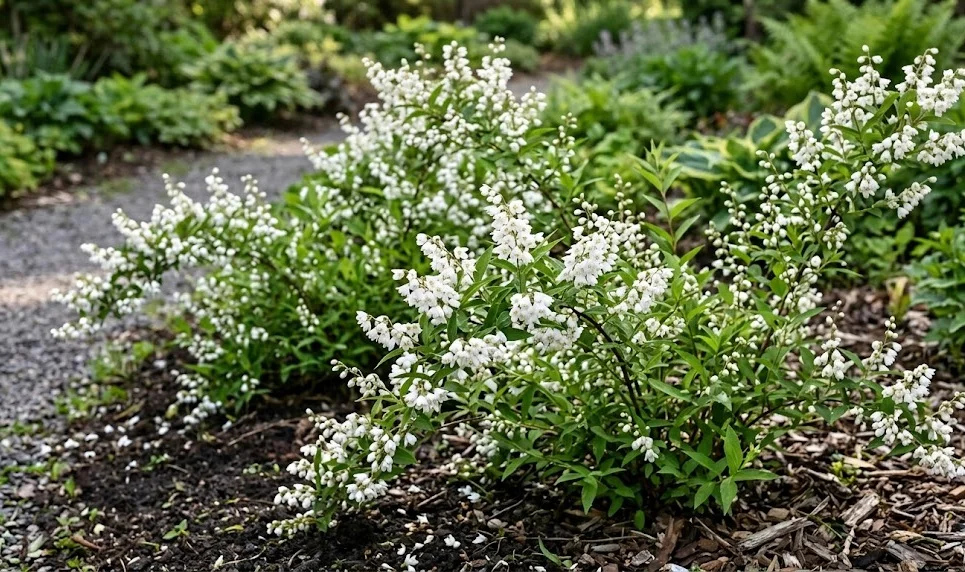
Monitor the overall vigor of the shrub by comparing its performance to previous years and to other similar plants in your neighborhood. if your deutzia is not blooming as heavily as it used to, or if its growth has slowed significantly, there may be an underlying health issue to address. Sometimes the problem is not a disease or a pest, but a lack of nutrients or a change in the environment like increased shade from a growing tree. A holistic evaluation is the key to identifying and solving complex garden problems.
Don’t be afraid to consult with local professional experts or your neighborhood nursery if you encounter a problem that you cannot identify or solve on your own. Most garden centers have staff who are very familiar with the common pests and diseases in your specific region and can offer targeted advice. Taking a clear photo or a small sample of the affected foliage in a sealed bag can help them give you an accurate diagnosis. Continuous learning and seeking professional input are what transform a hobbyist into a true expert gardener.