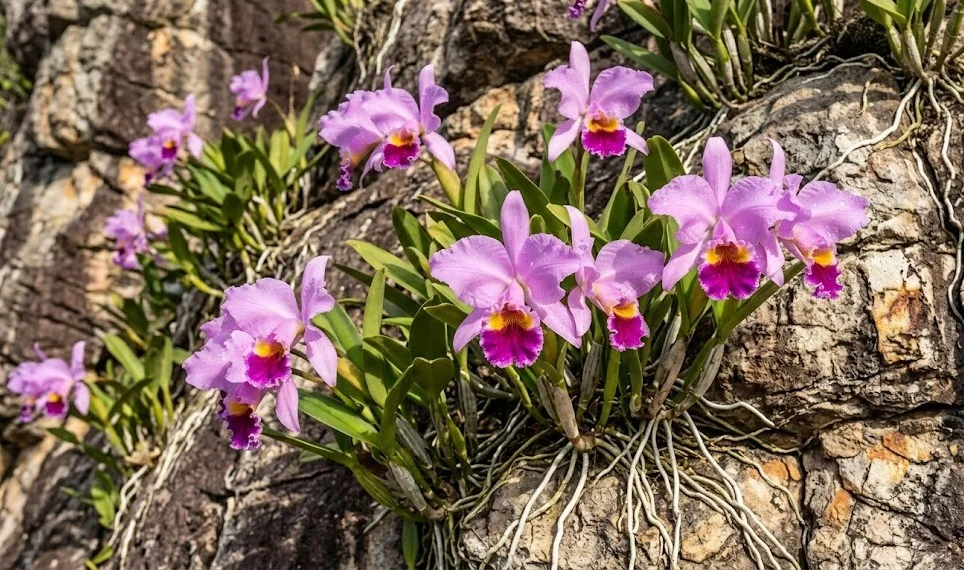

Watering is perhaps the most frequent task in orchid care, yet it is often the one that causes the most difficulty for beginners. The Christmas orchid has specific requirements that change based on its growth phase and the environmental conditions of your home or greenhouse. A professional approach involves understanding that these plants prefer to go through a cycle of being thoroughly soaked and then allowed to dry out significantly. Mastering this rhythm is essential for maintaining a healthy root system and ensuring the longevity of your specimen.
The quality of the water you use is just as important as the frequency of the application itself. These orchids are sensitive to the chemicals and minerals found in many municipal water supplies, which can accumulate in the substrate and damage the roots. Professional growers often prioritize using rainwater or filtered water to provide the cleanest possible hydration for their collection. Ensuring the water is at room temperature is another simple but effective way to prevent shocking the plant’s delicate vascular system.
Fertilization serves as the fuel for growth and blooming, providing the essential nutrients that the potting medium lacks. Because these plants naturally grow on trees, they are adapted to receiving small amounts of nutrients on a very frequent basis. A professional fertilization strategy mimics this by using a diluted solution regularly rather than heavy, infrequent doses. This consistent supply of nutrition supports the development of strong pseudobulbs and vibrant, long-lasting flowers during the winter months.
A humanized perspective on orchid care involves developing an intuition for your plant’s needs through regular observation. You will soon learn to recognize the subtle signs of thirst, such as slightly wrinkled leaves or silvery roots that have lost their green tips. Each orchid may have a slightly different pace depending on its size and the specific pot it is growing in. By paying close attention and adjusting your routine accordingly, you can create a personalized care plan that ensures your Christmas orchid truly flourishes.
Determining the correct watering frequency
The frequency of watering is not a fixed schedule but rather a response to the evaporation rate and the plant’s moisture needs. Factors such as temperature, humidity, and air circulation all play a role in how quickly the potting medium dries out. In the heat of summer, you may need to water your orchid every few days, while in the cool of winter, once a week or less might be sufficient. A professional grower always checks the moisture level of the substrate before deciding to add more water.
More articles on this topic
One of the most reliable ways to check for moisture is to push a finger or a wooden skewer deep into the potting mix. If the material feels damp or the skewer comes out looking dark, the orchid still has enough moisture and should not be watered yet. Another professional technique is to learn the weight of the pot when it is fully saturated versus when it is dry. Lifting the container gives you an immediate and accurate sense of how much water is left inside the root zone.
The type of pot and growth medium you have chosen will also dictate how often you need to reach for the watering can. Terracotta pots and coarse bark mixes dry out much faster than plastic pots and moss-based substrates. It is important to adjust your frequency whenever you repot your orchid into a new combination of materials. Overwatering is a leading cause of plant failure, as it leads to root rot by excluding oxygen from the substrate.
During the active growth phase in spring and summer, the orchid’s water requirements are at their highest as it builds new tissue. Conversely, during the winter rest period after flowering, the plant needs significantly less moisture to stay healthy. Professional growers often reduce watering during this time to just enough to keep the pseudobulbs from shriveling excessively. This seasonal adjustment respects the natural cycle of the Christmas orchid and promotes a more robust blooming the following year.
Water quality and optimal application techniques
Using high-quality water is essential for the long-term health of the Christmas orchid’s sensitive and porous root system. Many tap water sources contain chlorine, chloramines, and high levels of dissolved salts that can be toxic to epiphytes over time. If possible, collect rainwater or use a reverse osmosis system to provide the purest water for your collection. If you must use tap water, letting it sit out overnight can help some of the chlorine dissipate and bring the temperature to a safer level.
More articles on this topic
When it is time to water, the goal is to saturate the potting medium completely while avoiding the foliage and the crown of the plant. A professional method is to place the pot in a sink or basin and pour water through the substrate until it runs freely out of the drainage holes. This ensures that every piece of bark is moistened and helps to flush out any accumulated fertilizer salts. Allow the pot to drain thoroughly for at least fifteen minutes before returning it to its usual display location.
Avoid watering your orchids in the late afternoon or evening, as this can lead to water sitting on the leaves overnight. Excess moisture in the leaf axils or the center of the plant is a primary cause of crown rot and bacterial infections. Watering in the morning allows any accidental splashes to evaporate before the temperatures drop at night. If you do get water in the crown, use a piece of paper towel to gently blot it dry to protect the plant.
For those with large collections, automated misting or irrigation systems can be used to maintain consistent hydration levels. However, even with automation, the professional grower remains hands-on and checks the plants individually on a regular basis. There is no substitute for the careful eye of an enthusiast who understands the unique needs of each specimen. Proper application technique combined with high-quality water is the foundation of a healthy and productive orchid collection.
Understanding nutrient ratios and fertilizer types
Orchids require a specific balance of nitrogen, phosphorus, and potassium, often represented as the N-P-K ratio on fertilizer packaging. A balanced fertilizer, such as a 20-20-20 formula, is generally suitable for year-round use in a professional orchid care program. Nitrogen is responsible for green leaf growth, phosphorus supports root development and flowering, and potassium aids in overall plant health and disease resistance. Using a product specifically designed for orchids ensures that the nutrients are in a form that the plants can easily absorb.
Some growers prefer to use different formulas depending on the stage of the plant’s annual growth cycle. A higher nitrogen mix can be beneficial during the peak vegetative growth period in the spring and early summer. As the season progresses toward autumn, switching to a “bloom booster” with higher phosphorus can help initiate flower spike development. This professional approach to nutrition provides the orchid with exactly what it needs at each specific point in its life cycle.
In addition to the primary macronutrients, orchids also benefit from a range of micronutrients such as calcium, magnesium, and iron. These are often present in high-quality orchid fertilizers but may need to be supplemented if you are using very pure water like distilled or rainwater. Professional growers sometimes add a small amount of Cal-Mag supplement to their routine to prevent deficiencies that can lead to leaf spotting or weak growth. Always follow the manufacturer’s instructions to avoid over-concentration, which can do more harm than good.
Organic fertilizers, such as seaweed extract or fish emulsion, can also be used to provide a gentle and natural source of nutrition. These products often contain beneficial hormones and trace elements that promote robust growth and improved stress tolerance. However, they can sometimes have a strong odor and may break down the potting medium more quickly than inorganic alternatives. Many professionals use a combination of both organic and synthetic fertilizers to get the best of both worlds.
Application strategies for consistent nutrition
The “weakly, weekly” fertilization method is a professional standard that involves using a very dilute fertilizer solution every time you water. Typically, this means mixing the fertilizer at one-quarter or one-half of the strength recommended on the product label. This consistent, low-level supply of nutrients mimics the natural environment where orchids receive tiny amounts of minerals with every rain shower. This strategy avoids the “feast or famine” cycle that can stress the plant and lead to inconsistent growth.
Before applying any fertilizer solution, it is vital to water the orchid with plain water first to thoroughly moisten the roots. Applying fertilizer to bone-dry roots can cause chemical burns to the sensitive tissue, leading to root loss and plant decline. Once the roots are wet and have turned green, you can safely pour the nutrient solution through the potting medium. This professional precaution ensures that the nutrients are distributed evenly and absorbed efficiently by the plant.
Monitoring the tips of the leaves is a good way to determine if your fertilization strategy is effective or if adjustments are needed. Dark brown or black tips can be a sign of fertilizer burn caused by an accumulation of salts in the substrate. If you notice this, immediately flush the pot with large amounts of pure water and reduce the concentration of your fertilizer for several weeks. Conversely, pale or yellowish new growth may indicate that the plant is not receiving enough nitrogen to support its development.
Always remember to include a “clear water flush” in your routine at least once a month to keep the root environment healthy. This involves watering the orchid heavily with plain water to wash away any residual salts that the “weakly, weekly” method might leave behind. Keeping the substrate fresh and free of chemical buildup is just as important as the feeding process itself. A professional nutritional program is a careful balance of providing fuel for growth while protecting the delicate root system from harm.
Adjusting care for the flowering and rest periods
As the Christmas orchid begins to develop its flower spikes in the late autumn, its nutritional needs shift slightly. Many professional growers reduce the amount of nitrogen during this time to discourage excessive leaf growth and focus the plant’s energy on the blossoms. Maintaining consistent moisture is critical during bud development, as any drought stress can cause the buds to blast or drop prematurely. However, avoid overwatering, as the cooler temperatures of autumn mean the medium will dry out more slowly.
Once the flowers have opened, you can stop fertilizing altogether to help the blooms last as long as possible. The primary goal during the flowering period is to provide a stable environment with high humidity and cool temperatures. If the air is too dry, the delicate petals may wilt early, shortening the display of these spectacular winter flowers. Enjoy the fruits of your labor during this time, but continue to monitor the moisture levels in the pot to keep the roots healthy.
After the final flower has fallen, the orchid enters its necessary period of rest, which typically lasts for several weeks or months. During this dormancy, the plant’s metabolic rate drops significantly, and it requires very little water and no fertilizer at all. Professional growers use this time to let the potting medium dry out more thoroughly between waterings, providing just enough to prevent the bulbs from shriveling. Forcing the plant into growth during this rest phase can weaken it and reduce the quality of next year’s bloom.
When you see the first signs of new green growth at the base of the pseudobulbs in the spring, it is time to slowly resume your regular routine. Start by increasing the frequency of watering and introducing a very dilute fertilizer solution once again. This gradual transition helps the orchid wake up from its dormancy and prepare for a new season of vigorous growth. Respecting these natural phases is the hallmark of a professional orchid enthusiast and ensures a lifetime of beautiful Christmas blooms.