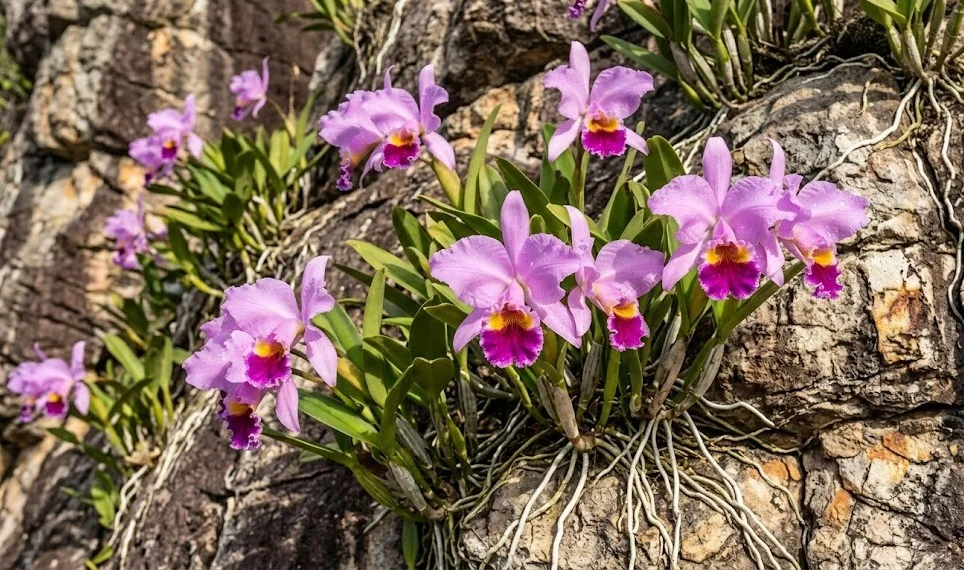

The Christmas orchid is a breathtaking addition to any collection, especially valued for its ability to bloom during the winter months. Maintaining these plants requires a blend of patience and specific horticultural knowledge to ensure they thrive year after year. Growers often find that mimicking their natural high-altitude habitat is the most effective way to achieve consistent flowering. Providing the right balance of moisture, light, and nutrients will reward you with vibrant and fragrant blossoms during the festive season.
To understand the needs of this particular plant, one must first recognize its origins in the mountainous regions of South America. These orchids naturally grow as epiphytes, meaning they cling to trees rather than growing in the soil like common garden flowers. This characteristic dictates many of their care requirements, particularly regarding air circulation and the type of substrate used for potting. A professional approach involves respecting these ancestral traits while adapting them to a modern indoor or greenhouse environment.
Successful cultivation starts with observation, as the plant often communicates its needs through the color and texture of its leaves and roots. Healthy roots should appear firm and silvery with green tips, while the leaves should remain a sturdy, medium-green shade. If the foliage becomes too dark or starts to go limp, it is usually a sign that the environmental conditions are not quite right. Professional growers keep detailed logs of their care routines to identify exactly what works best for their specific microclimate.
Achieving the perfect balance of care is an ongoing process that evolves with the seasons and the age of the plant. It is important to remember that these orchids are resilient but can be sensitive to sudden changes in their surroundings. Consistency is the primary goal for any enthusiast looking to master the art of orchid husbandry. By following a structured care plan, you can enjoy the stunning beauty of these winter-blooming gems for many decades to come.
Establishing the ideal temperature range
Temperature is a critical factor in the development of the Christmas orchid, as it influences everything from metabolic rates to the initiation of flower spikes. During the day, these plants prefer moderate warmth, typically ranging between twenty and twenty-five degrees Celsius. Maintaining this range ensures that the plant has enough energy to grow strong pseudobulbs and lush green foliage. It is essential to avoid extreme heat, which can stress the orchid and lead to premature dehydration or leaf burn.
More articles on this topic
At night, a significant temperature drop is necessary to stimulate the flowering process that makes these orchids so famous. Ideally, the nighttime temperature should fall to around fifteen degrees Celsius, creating a noticeable contrast with the daytime environment. This diurnal fluctuation mimics the cool mountain air of their natural habitat and is the primary trigger for bud development. Professionals often use automated climate control systems to ensure these transitions occur smoothly every single day.
During the summer months, it is vital to protect the orchid from the intense midday heat that can accumulate in glasshouses or near windows. Providing adequate shading or moving the plant to a cooler location can prevent heat stress during these peak periods. If the temperature rises too high, the plant may enter a state of dormancy or suffer from stunted growth. Proper ventilation becomes even more important during warm weather to help dissipate heat from the leaf surfaces.
In the winter, the focus shifts to protecting the orchid from freezing temperatures and cold drafts that can damage the delicate flower buds. While they appreciate a cool period, they are not frost-tolerant and should never be exposed to temperatures below ten degrees Celsius. Placing the pots away from poorly insulated windows or exterior doors will help maintain a stable environment. A consistent and carefully managed temperature regime is the foundation of a professional orchid care program.
Humidity and air circulation standards
Maintaining high humidity is essential for epiphytic orchids because they absorb a significant portion of their moisture through their aerial roots. In a professional setting, the relative humidity should ideally remain between sixty and eighty percent throughout the day. This level of moisture prevents the pseudobulbs from shriveling and keeps the leaves looking vibrant and healthy. Using a high-quality hygrometer is the best way to monitor these levels and make adjustments when the air becomes too dry.
More articles on this topic
While high humidity is beneficial, it must always be accompanied by active air circulation to prevent the development of pathogens. Stagnant, moist air is a breeding ground for fungi and bacteria that can quickly decimate an entire collection. Small fans can be used to keep the air moving gently around the plants without creating a harsh, drying wind. This movement helps to dry out the crown of the orchid after watering and ensures that the roots receive plenty of oxygen.
During the winter months when indoor heating systems are active, the air can become dangerously dry for the Christmas orchid. Enthusiasts often use humidity trays filled with pebbles and water or room humidifiers to counteract this effect. Misting the foliage can provide a temporary boost, but it is not a substitute for a consistently humid atmosphere. It is important to ensure that the water used for misting is at room temperature to avoid shocking the plant’s tissues.
In the height of summer, managing humidity becomes a task of balancing moisture with the need for cooling. Increased air movement is necessary during hot days to help the plant transpire effectively and keep its internal temperature stable. If the humidity drops too low during a heatwave, the orchid may lose moisture faster than it can be replaced by the roots. Professional growers often use misting systems that operate on a timer to maintain a stable environment during these challenging periods.
Managing growth media and substrate quality
The choice of growth medium is perhaps the most important decision a grower makes when preparing to care for a Christmas orchid. Because these plants are epiphytes, they require a substrate that provides excellent drainage and allows air to reach the roots at all times. Coarse fir bark mixed with perlite or charcoal is a popular choice among professionals for its ability to hold some moisture while remaining airy. This structure prevents the roots from sitting in water, which would inevitably lead to rot and plant death.
Over time, any organic substrate will eventually break down and lose its ability to drain properly, becoming compact and acidic. It is usually necessary to replace the growing medium every two to three years to ensure the roots remain healthy. If you notice that the medium stays wet for too long or has started to crumble into a soil-like consistency, it is time for a change. A professional grower always inspects the roots during this process to remove any dead or decaying material before repotting.
The size of the bark chips should be proportional to the size of the orchid and its root system to ensure stability. Younger plants with finer roots benefit from a medium-grade bark, while large, established specimens prefer a very coarse mix. Adding inorganic materials like horticultural grade clay pebbles can increase the longevity of the substrate and improve aeration. It is important to soak the new bark in water before use to ensure it can effectively absorb moisture from the start.
When choosing a pot, consider that these orchids prefer to be slightly root-bound rather than having too much space. Plastic pots are excellent for retaining moisture in drier environments, while terracotta pots offer better breathability and faster drying. The container must have multiple drainage holes at the bottom and potentially on the sides to facilitate the necessary airflow. Selecting the right combination of pot and medium is a fundamental skill that every serious orchid enthusiast must master.
Nutritional requirements and fertilization strategies
Orchids are generally light feeders, but they do require a consistent supply of nutrients to produce the energy needed for blooming. A professional fertilization routine typically involves using a balanced, water-soluble fertilizer specifically formulated for orchids. During the period of active growth, which usually occurs from spring through autumn, the plants should be fed regularly. Applying fertilizer at a reduced strength, often called the “weakly, weekly” method, is safer and more effective than infrequent heavy doses.
Nitrogen is essential for leaf and pseudobulb development, while phosphorus and potassium are crucial for root health and flower production. Many growers switch to a “bloom booster” formula with higher phosphorus levels as the flowering season approaches. This change in nutrition helps the orchid build the resources necessary to support the large, complex flowers of the Christmas variety. Always ensure that the plant is well-hydrated before applying fertilizer to prevent the concentrated salts from burning the sensitive roots.
Flushing the growing medium with plain, pure water once a month is a vital step in any professional fertilization program. This process removes excess mineral salts that can accumulate over time and cause damage to the root tips. If you see white crusty deposits on the surface of the bark or the rim of the pot, it is a clear sign that salt buildup is occurring. Using rainwater or distilled water for this flushing process is ideal, as it contains fewer dissolved minerals than most tap water.
During the winter rest period after the flowers have faded, fertilization should be significantly reduced or stopped entirely. The orchid’s metabolic processes slow down during this time, and it cannot effectively utilize the additional nutrients. Forcing growth during the dormancy period can lead to weak, elongated tissue that is susceptible to pests and diseases. Once new growth appears at the base of the pseudobulbs in the spring, the regular feeding schedule can be gradually resumed.
Navigating the seasonal growth cycle
The life of a Christmas orchid is defined by a distinct cycle of growth, blooming, and rest that must be respected by the grower. In the spring, new shoots emerge from the base of the previous year’s pseudobulbs, marking the beginning of the vegetative phase. This is the time when the plant requires the most water, light, and nutrients to build up its strength. Professional care involves monitoring this new growth closely to ensure it has the space and resources needed to mature fully.
By late summer and early autumn, the new pseudobulbs should be reaching their full size and beginning to harden off. This is a critical transition period where the plant prepares itself for the upcoming flowering season. A slight reduction in nitrogen and a decrease in nighttime temperatures will signal to the orchid that it is time to produce flower spikes. Seeing the first signs of a sheath developing at the top of the leaf is always an exciting moment for any orchid enthusiast.
The blooming phase typically occurs in December or January, providing a spectacular display of color when most other plants are dormant. During this time, it is important to keep the environment stable and avoid moving the plant, as sudden changes can cause the buds to drop. The flowers are relatively long-lived, often lasting for several weeks if the air is kept cool and humid. Avoid getting water on the petals themselves, as this can lead to spotting and premature wilting of the blossoms.
After the flowers have finally finished, the orchid enters a period of dormancy that is essential for its long-term health. During this stage, the plant requires very little water and no fertilizer, as it is resting and preparing for the next growth cycle. Understanding this rhythm is the key to professional orchid management and ensures the plant’s longevity. Neglecting the rest period is a common mistake that can lead to a decline in the plant’s vigor over several years.
General maintenance and plant hygiene
Keeping your orchids clean is not just about aesthetics; it is a fundamental part of maintaining a healthy and productive collection. Dust can accumulate on the broad leaves, blocking light and reducing the plant’s ability to photosynthesize effectively. Periodically wiping the leaves with a damp, soft cloth will keep them clear and allow you to inspect for pests. This simple task is a great way to bond with your plants and catch any potential issues before they become serious problems.
Removing dead or yellowing leaves and spent flower spikes is another essential aspect of regular maintenance. Use sterilized tools for every cut to prevent the spread of viruses and bacteria between different plants in your collection. Applying a small amount of cinnamon powder to fresh cuts acts as a natural fungicide and helps the wound heal quickly. A tidy growing area reflects a professional approach and reduces the hiding places for common greenhouse pests.
Monitoring the condition of the pseudobulbs provides valuable insight into the overall hydration and health of the orchid. Healthy bulbs should be plump and smooth, while shriveled or wrinkled bulbs usually indicate a problem with the roots or a lack of water. It is normal for the very oldest bulbs to lose their leaves and eventually shrink, but the newer growth should always look robust. Keeping a close eye on these structures allows you to make quick adjustments to your care routine when necessary.
Finally, always ensure that your growing area is free of standing water and decaying organic matter. Hygiene is the first line of defense against most orchid diseases and is far easier than treating an established infection. Professional growers often use a mild disinfectant to clean their benches and shelving units periodically throughout the year. By maintaining a clean and organized environment, you create the best possible conditions for your Christmas orchids to flourish.