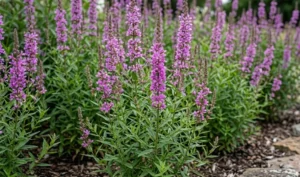
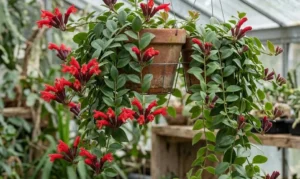
Cultivating these elegant woodland perennials requires a thoughtful approach that respects their natural origin in the Pacific Northwest forests. You will find that establishing a successful colony depends heavily on replicating the cool, moist, and shaded conditions of their native habitat. These plants are not merely garden additions but living pieces of a complex ecosystem that demand patience and observation from the gardener. When you provide the right environment, the rewarded sight of mottled foliage and graceful blooms is truly incomparable.
Understanding the growth cycle
The life of this lily begins early in the spring when the soil starts to warm just enough to trigger root activity. You should notice the distinctive mottled leaves emerging well before the first flowers appear on their slender stalks. This early growth period is critical because the plant must store enough energy in its bulb for the following year. As the heat of summer arrives, the entire above-ground structure will naturally wither and enter a state of total dormancy.
Managing this dormancy is perhaps the most important aspect of caring for these plants throughout the calendar year. You must resist the urge to clear away the dying foliage until it has completely turned brown and brittle to the touch. This allows every possible nutrient to return to the underground bulb where it is safely stored for the winter. Many gardeners make the mistake of overwatering during this quiet phase, which can lead to rot and plant loss.
Providing a stable environment during the transition from active growth to rest will ensure the longevity of your collection. You can help the plant by maintaining a thick layer of organic mulch that regulates the soil temperature effectively. This mimicry of the forest floor provides the insulation necessary to protect the bulbs from sudden temperature fluctuations. A well-maintained patch will eventually naturalize and create a stunning carpet of green and silver under your trees.
Observation is your best tool when trying to understand if your lilies are truly thriving in their current location. Take note of the leaf size and the intensity of the marbling, as these are clear indicators of the plant’s health. If the leaves appear stunted or lose their color, it may be a sign that the soil is too dry or lacking in organic matter. Adjusting your care routine based on these visual cues will lead to a much more robust and beautiful display each spring.
More articles on this topic
Soil quality and preparation
The foundation of health for any woodland bulb is the structure and composition of the soil in which it resides. You need a substrate that is rich in organic material yet allows for excellent drainage to prevent moisture from stagnating. Incorporating well-rotted leaf mold or compost into the planting area will provide the light, airy texture these roots crave. Avoid using heavy clay or overly sandy soils without significant amendment, as these will either drown or dehydrate the bulbs.
Achieving the perfect pH level is also a significant factor in the long-term success of your horticultural efforts. These lilies generally prefer a slightly acidic to neutral environment, which is typical of most deciduous forest floors. You can test your soil periodically to ensure it remains within the ideal range for nutrient uptake and root development. If your soil is naturally alkaline, adding pine needles or sulfur can help nudge the acidity in the right direction.
The physical placement of the bulbs within the soil profile must be done with precision to ensure they survive the seasons. You should aim for a depth that protects the bulb from surface heat while still allowing the shoots to reach the light easily. Compacting the soil too tightly over the planting site can hinder the delicate growth of the emerging spring stems. Instead, firm the earth gently with your hands to remove large air pockets without crushing the structure.
Maintaining the integrity of the soil over several years involves a commitment to ongoing organic replenishment. Every autumn, a fresh layer of compost or shredded leaves should be applied to the surface of the garden bed. This mimicry of the natural leaf drop cycle provides a slow-release source of nutrients that the plants will utilize. By focusing on the soil first, you create a self-sustaining system that requires less intervention as the colony matures.
More articles on this topic
Seasonal maintenance routines
As spring approaches, your primary task is to clear away any heavy debris that might obstruct the tender new shoots. You must be very careful not to step on the planting area, as the emerging tips are extremely brittle and easily damaged. Once the leaves are fully expanded, keep a close eye on the moisture levels if the spring happens to be unusually dry. Providing a gentle, consistent supply of water during this time will support the development of the flower buds.
During the blooming phase, the aesthetic appeal of the garden is at its peak, and maintenance is relatively minimal. You may choose to remove spent flowers if you wish to prevent seed production and focus the plant’s energy on the bulb. However, leaving the seed pods can be beneficial if you are interested in naturalizing the lilies over a larger area. Ensure that the tall flower stalks have enough support if they are located in a particularly windy part of your yard.
When the flowering ends and the leaves begin to yellow, the maintenance focus shifts entirely toward the protection of the dormant bulb. This is the time to mark the location of your plants so you do not accidentally dig them up during summer projects. You should reduce any supplemental watering at this stage to allow the soil to dry out slightly as the plant rests. It is a period of quiet preparation where the work you do now ensures a beautiful return next year.
Late autumn is the final opportunity to prepare the site for the coming winter months and the cold weather ahead. You should inspect the mulch layer and add more material if it has thinned out during the summer and fall. Checking for any signs of soil erosion or bulb exposure is vital for preventing frost damage to the shallow root systems. A final cleanup of any diseased or pest-infested garden debris will set the stage for a healthy spring emergence.
Long term plant health
Sustaining a healthy population of these lilies over a decade or more requires a deep respect for their slow-growing nature. You will notice that the clumps slowly expand as the mother bulbs produce small offsets over several growing seasons. It is often best to leave these undisturbed for as long as possible to allow the colony to build strength. Only consider lifting and dividing the bulbs when you notice a significant decline in flowering or extreme overcrowding.
Nutrient management should be a subtle process rather than a heavy-handed application of chemical fertilizers in the garden. Relying on the breakdown of organic mulch is usually sufficient for the needs of these efficient woodland dwellers. If you feel the plants need an extra boost, a very diluted liquid seaweed extract can be applied during the early leaf stage. Over-fertilizing can lead to lush foliage but weak flowers and a higher susceptibility to various fungal diseases.
Integrated pest management is another pillar of maintaining long-term health in your shade garden environment. By encouraging a diverse ecosystem of beneficial insects and birds, you can keep potential pest populations in check naturally. Regularly inspecting the undersides of the leaves for any signs of damage will help you catch issues before they become widespread. Healthy plants in the right location are much better at resisting both pests and environmental stresses over time.
Climate resilience is becoming an increasingly important factor for gardeners who wish to preserve these delicate species in their landscapes. You might need to provide extra shade or more frequent watering if your local climate is trending toward hotter and drier summers. Selecting a microclimate within your garden that stays naturally cooler will provide a buffer against extreme weather events. Your role as a steward is to adapt your care as the environment changes around your precious plants.
Interaction with companion plants
Choosing the right neighbors for your lilies can enhance both the beauty and the health of the entire garden bed. You should look for companion plants that share similar cultural requirements, such as ferns, hostas, and other woodland wildflowers. These companions provide a lush backdrop that highlights the delicate features of the fawn lily’s unique mottled leaves. Furthermore, the root systems of these plants often work together to maintain a healthy and stable soil structure.
The timing of the companion plants’ growth is just as important as their aesthetic appearance in the landscape. Because the fawn lily goes dormant in the summer, you need plants that will fill the resulting gap in the garden. Perennials with broad leaves can provide the necessary shade to keep the lily bulbs cool during the hottest months of the year. This layering effect ensures that your garden remains attractive and functional throughout the entire growing season.
Be careful not to select companions that are overly aggressive or have invasive root systems that might choke out the lilies. Some groundcovers can become too dense and prevent the delicate lily shoots from pushing through the soil in the spring. It is better to choose clump-forming perennials that leave enough space for the lilies to expand their own territory slowly. Balancing the competition for space and nutrients is a key skill for any successful woodland gardener to master.
You can also use companion plants to create a visual indicator of where your dormant bulbs are located during the summer. By planting late-blooming perennials nearby, you ensure that you will not accidentally disturb the lilies while performing other garden tasks. This strategic planting creates a year-round interest that evolves as different species take their turn in the spotlight. A well-planned garden is a tapestry of life where each plant supports the success of its neighbors.
Enhancing the garden aesthetic
The visual impact of the California fawn lily is most effective when it is planted in drifts that mimic natural colonies. You should avoid planting them in stiff, formal rows, as this contradicts their wild and ethereal character in the forest. Instead, scatter the bulbs in irregular groups and allow them to find their own natural rhythm within the shaded garden. This creates a sense of discovery for anyone walking through the space and observing the delicate spring flowers.
Lighting plays a crucial role in how we perceive the subtle colors and textures of the foliage and the petals. When the morning sun filters through the canopy of trees, it illuminates the marbling on the leaves in a spectacular way. You should consider the sightlines from your home or garden paths when deciding exactly where to place your lily drifts. Capturing that perfect moment of backlighting can transform a simple garden bed into a magical and memorable landscape.
Texture is another element that you can play with to create a more sophisticated and professional garden design. Contrast the smooth, waxy surface of the lily leaves with the fine, feathery fronds of nearby woodland ferns. This interplay of different leaf shapes and surfaces adds depth and interest even when the plants are not in full bloom. A professional gardener knows that the leaves are just as important as the flowers when building a visual experience.
You can also use these lilies to bridge the transition between the more managed parts of your yard and the wilder edges. They act as a perfect naturalizer for the areas under large deciduous trees where grass often struggles to grow effectively. By embracing the natural tendencies of the plant, you create a garden that feels integrated with the surrounding environment. This approach results in a landscape that is not only beautiful but also ecologically sound and easier to maintain.
Troubleshooting common challenges
If you notice that your lilies are producing plenty of leaves but no flowers, it is usually a sign of insufficient light. While they love shade, they still need the bright, indirect light of early spring to trigger the blooming process. You might need to thin out the overhead canopy slightly to allow more light to reach the forest floor in March and April. Moving the bulbs to a slightly brighter location during their dormant period can also solve this frustrating issue.
Poor drainage is another common hurdle that can cause the bulbs to rot and eventually disappear from your garden. If the soil stays saturated for long periods after a rain, the bulbs will struggle to breathe and will quickly succumb to decay. You can improve a heavy site by creating raised beds or by incorporating larger amounts of coarse grit into the planting holes. Ensuring that water moves away from the site is the best way to prevent this silent killer of woodland bulbs.
Sometimes, the foliage may show signs of yellowing much earlier than expected in the late spring or early summer. This is often a reaction to a sudden heatwave or a period of extreme drought that stresses the plant. You can help the plant cope by providing a temporary source of shade or increasing the humidity around the leaves. However, do not overwater in an attempt to “save” the leaves, as the plant may simply be entering dormancy early to protect itself.
Finally, keep an eye out for signs of physical disturbance from digging animals like squirrels or voles in the garden. These creatures are often attracted to the loose soil of a newly planted bed and may accidentally or intentionally move the bulbs. You can protect your investment by placing a piece of hardware cloth over the planting site for the first season. Once the soil has settled and the plants are established, they are much less likely to be bothered by local wildlife.