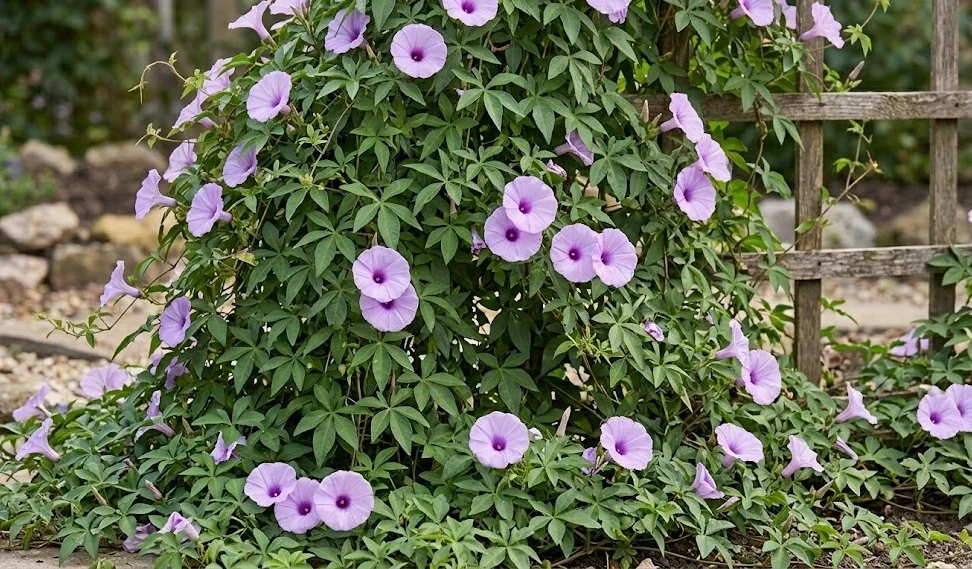

Ensuring the survival of these beautiful climbers through the colder months is a critical task for any professional gardener in a temperate climate. You must recognize that while these plants are vigorous in the heat, they have little natural resistance to freezing temperatures. A well-executed overwintering strategy can save you the cost and effort of replanting every spring. This guide provides the expert knowledge needed to protect your vines and ensure they return with strength in the new season.
The process of overwintering begins long before the first frost actually hits the ground in your specific region. You should start preparing the plant in late summer by adjusting your watering and fertilizing routines to encourage dormancy. The goal is to discourage soft new growth that would be easily damaged by the coming cold weather. This transition period is essential for the plant to consolidate its energy and toughen its tissues for the winter.
Depending on your local hardiness zone, you may choose to protect the plant in the ground or move it to a controlled environment. For those in milder climates, a heavy layer of mulch and some temporary covers may be enough to keep the roots viable. In colder regions, you will likely need to take cuttings or move the entire root system into a frost-free space. Each method has its own set of professional requirements and potential challenges that you must manage.
Professional overwintering is not just about preventing death; it is about maintaining enough health for a fast start in the spring. You want the plant to emerge from its dormant phase with minimal stress and no significant disease issues. Monitoring the environment throughout the winter is just as important as the initial preparation steps you took in the autumn. With the right care, your climbers can become long-lived permanent residents of your professional landscape.
Preparing for the first frost
The arrival of the first frost is the defining moment that determines the success of your overwintering efforts. You should keep a close eye on the local weather forecasts as autumn progresses to avoid being caught by a sudden cold snap. It is often helpful to have your protective materials, such as burlap or frost blankets, ready and waiting nearby. Taking action a few days early is always better than trying to save a plant that has already been damaged by ice.
More articles on this topic
Hydration is a key factor in how well a plant can withstand the physical stress of freezing temperatures. You should ensure the soil is moist but not waterlogged before the ground freezes for the winter. Moist soil holds more heat than dry soil and can help protect the roots from the most extreme cold. However, you must be careful not to overwater, as dormant roots are very susceptible to rot in cold, wet earth.
Mulching is the most effective way to insulate the root zone from the fluctuating temperatures of the winter months. You should apply a layer of organic material at least four to six inches deep around the base of the plant. This layer acts like a blanket, keeping the soil temperature more stable and preventing the “heaving” that can damage roots. Use materials like straw, wood chips, or shredded leaves for the best professional-grade results.
If you are keeping the vine outdoors, you may also need to provide some physical protection for the main stems. Wrapping the lower part of the vine in burlap can help prevent desiccation from cold, dry winter winds. You should avoid using plastic directly against the plant, as it can trap moisture and lead to rot or overheating on sunny days. A breathable cover is the best choice for protecting the delicate tissues of your climbers.
Managing indoor storage
For those in truly cold climates, moving the plant or its parts indoors is the only way to ensure survival through the winter. You can dig up the main root ball after the foliage has been killed back by a light frost and the plant has entered dormancy. Be careful to keep as much of the root system and its surrounding soil intact as possible during this move. The plant should then be placed in a container and kept in a cool, dark place like a basement or garage.
More articles on this topic
The temperature in your storage area should ideally remain between 40 and 50 degrees Fahrenheit throughout the winter. This range is cold enough to keep the plant dormant but warm enough to prevent the roots from freezing solid. You should avoid placing the plant near heaters or in areas with significant drafts that could dry it out too much. A stable, cool environment is the professional standard for successful indoor overwintering.
Watering during the dormant period should be extremely minimal and only done to keep the roots from becoming bone dry. You should check the moisture level of the soil every few weeks by feeling it with your fingers. If the soil feels completely dry, add just enough water to dampen it slightly without saturating the pot. Overwatering is the most common cause of failure for plants kept in indoor storage over the winter.
Ventilation is also important, even for dormant plants, to prevent the buildup of mold or other fungal pathogens. You should ensure there is some light air movement in the storage space to keep the environment from becoming stagnant. Check the plant periodically for any signs of rot or pests that may have hitched a ride indoors. Being proactive during the winter ensures that your plants will be healthy and ready to grow when spring finally arrives.
Overwintering through propagation
If you do not have the space to store a large plant, taking cuttings in the late summer is a professional alternative for overwintering. These small “clones” can be kept on a sunny windowsill or under grow lights throughout the winter months. This method allows you to start the new season with several healthy, young plants instead of one large, potentially stressed one. It is a space-efficient way to maintain your collection of vines year after year.
The cuttings should be taken from healthy, non-flowering shoots and rooted in a light, sterile medium. Once they have developed roots, you can pot them up into small containers with standard potting soil. These young plants will continue to grow slowly during the winter, so they will need regular but careful watering and light. You should avoid fertilizing them during this time to prevent them from becoming too large before they can go outside.
Light management is the biggest challenge when keeping active plants indoors during the dark winter months. You should place the pots in your brightest south-facing window or provide supplemental light from a simple LED fixture. Keep the plants away from cold glass and heating vents to prevent physical stress to the leaves and stems. A consistent environment will help the cuttings maintain their vigor and prevent them from becoming weak or spindly.
In the spring, these overwintered cuttings will need to be hardened off just like any other young plant before they are placed in the garden. This process gradually introduces them to the more intense light and fluctuating temperatures of the outdoors. By the time the soil is warm, you will have robust plants that are ready to climb and flower. Using cuttings is a highly reliable and professional strategy for ensuring the continuity of your favorite species.
Spring awakening and recovery
The transition back to the garden in the spring must be managed with as much care as the initial move into winter storage. You should wait until the soil has warmed up and all danger of frost has completely passed before bringing your plants out. Moving them too early can shock the system and lead to a significant setback in their growth for the entire season. Patience is a key virtue for the professional gardener during this exciting time of year.
For plants that stayed in the ground, you should begin by gradually removing the heavy layers of winter mulch. Do this over a week or two to allow the soil to warm up slowly and prevent a sudden shock to the roots. You might also need to prune away any stems that were killed by the cold to make room for new growth. This cleaning process helps prevent disease and encourages the plant to focus its energy on fresh shoots.
The first watering in the spring should include a very dilute, balanced fertilizer to provide a gentle “wake up” call to the roots. You want to provide enough nutrients to support the initial growth without overwhelming the plant’s recovering system. As you see more leaves appearing, you can gradually increase the frequency and strength of your care routines. A slow and steady approach leads to a much more resilient plant in the long run.
Finally, monitor the plant closely for the first few weeks of the new season to ensure it is recovering well from its dormancy. Look for strong, healthy new shoots and a vibrant green color in the emerging leaves. If the plant seems to be struggling, check the soil moisture and look for any pests that may be taking advantage of its weakened state. A successful spring recovery is the final reward for all your professional overwintering efforts.