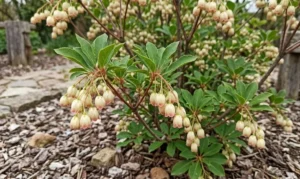
Pruning is a vital skill for any professional gardener looking to maintain the health, shape, and longevity of winter heath. This evergreen shrub has a naturally mounded habit, but over time, it can become leggy, woody, or sparse if left entirely to its own devices. Regular, light maintenance ensures that the plant remains compact and continues to produce the dense floral display that is its trademark. Understanding the correct techniques and timing for pruning is the key to a professional-grade garden that looks intentional and well-cared for year after year.
The primary goal of pruning this species is to encourage new growth and prevent the center of the shrub from becoming a mass of dry, unproductive wood. Because it is a relatively slow-growing plant, you don’t need to perform heavy or drastic cuts to keep it in check. Instead, a light “haircut” once a year is usually all that is required to maintain its perfect form. A professional approach is always conservative, focusing on enhancing the plant’s natural beauty rather than forcing it into an unnatural shape.
Using the right tools and following a systematic method will make the task of pruning much easier and more effective for both the gardener and the plant. You should always start with a clear plan of what you want to achieve before you make your first cut in the garden bed. Whether you are removing spent flowers or shaping a young plant, precision is the mark of a skilled horticulturalist. By taking your time and being methodical, you can transform the appearance of your shrubs and ensure their continued vigor for the next season.
Pruning also provides an excellent opportunity to inspect your plants for any hidden signs of pests or diseases that might be tucked away in the dense foliage. As you work your way through the branches, you can see deep into the center of the shrub where problems often start. This proactive health check is a valuable part of the overall maintenance routine and helps to keep your garden in peak condition. Professional gardening is as much about observation and care as it is about the physical act of cutting and shaping.
The purpose of pruning
The most immediate reason for pruning winter heath is to remove the spent flower spikes once the blooming season has come to an end. While the old flowers will eventually drop on their own, removing them manually keeps the plant looking tidy and prevents the development of unsightly brown seed heads. This “deadheading” also signals to the plant that it should direct its energy toward producing new green shoots and next year’s flower buds. A clean, well-pruned plant is a more efficient and productive member of your winter landscape.
More articles on this topic
Maintaining a dense, mounded shape is another key objective of a professional pruning routine for this particular evergreen species. Left unpruned, the branches will continue to grow outwards, and the older wood near the center will eventually lose its leaves. This leads to a “doughnut” effect where the plant has a dead center and a ring of green foliage around the outside. Regular light pruning encourages the plant to branch out closer to the main stem, keeping the entire shrub full and vibrant from the ground up.
Pruning can also be used to manage the size and spread of the plant, ensuring that it doesn’t overwhelm its neighbors or grow across paths. You can gently shape the edges of the shrub to fit the specific space you have designated for it in your garden design. This is particularly important in small gardens or in mixed beds where several different species are growing in close proximity. A professional-looking garden is one where every plant has its own space and is kept within its intended boundaries.
Finally, pruning helps to rejuvenate older plants that may have become a bit tired or less productive over many years. By carefully removing some of the oldest, woodiest stems, you can stimulate the growth of fresh, young shoots from the base of the plant. This process of renewal can extend the life of your heath shrubs and keep them looking youthful and vigorous for a much longer period. A professional gardener knows that a little bit of maintenance today leads to a much more beautiful and resilient garden tomorrow.
Correct timing for maintenance
Timing is everything when it comes to pruning winter heath, as cutting at the wrong time of year can significantly reduce the following season’s flowers. The absolute best time to prune is in the early spring, immediately after the plant has finished its main flowering period. At this stage, the plant is about to enter its most active growth phase and will quickly produce new shoots to cover the pruning cuts. Waiting too long into the summer can be risky, as the plant needs time to set its new flower buds before the winter arrives.
More articles on this topic
You should never prune in the late autumn or early winter, as this would involve cutting off the very flower buds that you have been waiting all year to see. Pruning during this time also leaves the plant vulnerable to frost damage on the fresh cuts, which can lead to dieback and disease. A professional gardener follows the natural rhythm of the plant, working with its life cycle rather than against it for the best results. Patience and observation are your best guides for deciding exactly when to bring out the shears.
In some cases, you may need to perform light corrective pruning at other times of the year, such as removing a broken branch after a storm. This type of “emergency” maintenance is fine as long as it is kept to a minimum and is done with care and precision. However, for general shaping and rejuvenation, you should stick to the post-flowering spring window as your primary time for work. This consistency ensures that the plant remains healthy and that your winter display is never compromised by poor timing.
Environmental conditions on the day of pruning also play a role in the success of the task and the health of the plant. Try to choose a dry, overcast day for your maintenance work to minimize stress on the freshly cut tissue and prevent the spread of fungal spores. Avoid pruning in extreme heat or during a period of drought, as the plant will be under enough stress already and may struggle to recover. Professional gardening is about making smart choices that support the plant’s natural resilience and beauty.
Execution and tool selection
For a professional finish, you must use tools that are sharp, clean, and appropriately sized for the task at hand. Small, handheld bypass pruners or specialized garden snips are ideal for the fine, delicate stems of the winter heath. Using blunt or dirty tools can crush the stems instead of cutting them, creating jagged wounds that are slow to heal and invite infection. Always sterilize your blades with alcohol before and after working on each plant to maintain a high level of garden hygiene.
When you are ready to start, begin by identifying the dead, damaged, or diseased wood and removing it entirely from the plant. This clears the way for you to see the overall shape of the shrub and makes the rest of the pruning process much easier. After the “cleaning” phase, you can move on to the more creative task of shaping and thinning the foliage. A professional approach involves making many small, carefully considered cuts rather than a few large and potentially damaging ones.
The technique for cutting back is to remove the faded flower spikes down to the level of the first healthy green leaves on the stem. Avoid cutting into the old, brown wood that has no leaves, as this wood often lacks the dormant buds needed to produce new growth. If you cut too deeply into the “dead zone” of an older plant, you may find that those branches never recover or turn green again. A light “trim” that focuses on the soft, green growth is the safest and most effective professional method.
As you work, step back frequently to look at the plant from different angles and ensure that you are maintaining a balanced and natural shape. It is very easy to get caught up in the details and accidentally cut one side much shorter than the other. Aim for a soft, rounded mound that mimics the way the plant grows in its native environment. With a bit of practice and a professional eye for detail, you will soon be able to prune your winter heath with confidence and achieve stunning results every time.