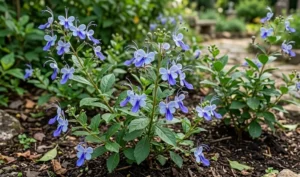
Winter heath is one of the most resilient and rewarding evergreen shrubs for any garden enthusiast looking for color during the colder months. It provides a unique aesthetic with its needle-like foliage and vibrant bell-shaped flowers that persist when most other plants are dormant. Maintaining its health requires a basic understanding of its natural alpine and moorland origins. By following a few expert guidelines, you can ensure that this hardy plant thrives in your landscape for many years to come.
Successful care begins with monitoring the environment and responding to the specific needs of the plant throughout the seasons. While it is a low-maintenance species, it does not enjoy being completely neglected in extreme weather conditions. You should check the soil moisture regularly, especially during dry spells in the late autumn. A healthy plant will show vibrant green foliage and a dense growth habit that indicates its root system is functioning well.
Proper placement in the garden is a fundamental aspect of long-term care that prevents many common physiological problems. This plant thrives when it has enough space for air to circulate freely around its delicate branches. Crowding it with larger, more aggressive shrubs can lead to stunted growth and a lack of flowering. You should observe how the plant interacts with its neighbors to ensure it remains the focal point of your winter garden display.
Establishing a routine for inspection helps in identifying any potential issues before they become significant threats to the plant. Look for signs of discoloration in the leaves or a thinning of the flower clusters during the blooming period. Early intervention often means just a slight adjustment in your watering or mulching strategy. Consistency is the key to maintaining the professional appearance of your garden beds throughout the entire year.
Fundamental care principles
Developing a deep understanding of the plant’s life cycle is the first step toward becoming a master of its care. This evergreen shrub follows a distinct growth pattern that dictates when it needs the most attention. During the active flowering stage, the plant consumes more energy and requires a stable environment to maintain its beauty. You must balance the physical needs of the roots with the atmospheric needs of the upper foliage.
More articles on this topic
Soil acidity plays a crucial role in how the plant absorbs nutrients and maintains its structural integrity. If the soil becomes too alkaline, the plant will struggle to process essential minerals, leading to yellowing leaves. You can maintain the correct pH levels by adding organic matter such as pine needles or specialized compost. Regularly testing the soil is a professional habit that ensures your garden remains a perfect habitat for ericaceous species.
Microclimates within your garden can significantly influence the overall health and vigor of your winter heath. Some areas may be more prone to drying winds, while others might collect excess moisture during heavy rain. Identifying these zones allows you to tailor your care routine to the specific needs of each individual plant. A well-protected plant will always produce more abundant blooms than one exposed to harsh environmental stressors.
Observation is your most powerful tool when it comes to refining your gardening techniques over time. Notice how the plant responds to different weather patterns and adjust your interventions accordingly. For instance, a particularly long summer may require more diligent mulching to keep the roots cool and hydrated. By paying close attention to these subtle changes, you create a resilient garden that can withstand any seasonal challenge.
Environmental adaptation
Acclimatization is a gradual process that allows the plant to become fully established in its permanent garden home. When you first introduce winter heath to your landscape, it requires a period of focused care to ensure the roots take hold. You should minimize any disturbances to the surrounding soil during this sensitive initial phase. Providing a stable environment during the first year is the foundation for a lifetime of healthy growth.
More articles on this topic
The plant’s ability to adapt to varying temperatures is one of its most impressive and desirable characteristics as a garden shrub. It can withstand significant frost, but it still benefits from a location that offers some protection from the most severe winter winds. Placing it near a low wall or among larger stones can create a natural buffer that stabilizes the temperature. This structural support helps the plant maintain its internal moisture levels during freezing periods.
Humidity and air quality also play a role in the professional management of an evergreen garden. High humidity can sometimes lead to fungal issues, so ensuring proper spacing is vital for maintaining a dry canopy. On the other hand, extremely dry air can cause the needle-like leaves to become brittle and lose their luster. Balancing these factors requires a keen eye for detail and a willingness to modify the landscape as needed.
Seasonal transitions are the times when the plant is most vulnerable to sudden environmental shifts. Moving from a cold winter into a warm spring can cause the plant to begin new growth too early if not managed carefully. You should wait until the danger of hard frost has passed before making any major changes to the surrounding mulch. This cautious approach preserves the delicate new shoots that will eventually form the next season’s flowers.
Seasonal maintenance cycles
Each season brings a new set of priorities for the professional gardener looking to maintain a perfect heath bed. Spring is typically the time for light maintenance and preparing the plant for the upcoming growth period. You should focus on clearing away any debris that may have accumulated around the base during the winter months. This keeps the crown of the plant clean and reduces the risk of pest infestations or disease.
Summer care is primarily centered around moisture management and protecting the plant from excessive heat. While the heath is hardy, it does not appreciate long periods of direct, scorching sunlight without adequate hydration. You can use ground cover plants to help shade the soil and keep the root zone at a consistent temperature. This natural cooling system mimics the plant’s native moorland environment and promotes healthy foliage.
Autumn is the season of preparation, as the plant begins to set its buds for the winter display. During this time, you should ensure that the plant has sufficient nutrients to support the energy-intensive process of flowering. Avoid heavy nitrogen fertilizers at this stage, as they can encourage soft growth that is easily damaged by frost. Instead, focus on maintaining a stable soil environment that supports the existing structure.
Winter is when your hard work finally pays off as the heath bursts into its magnificent floral display. Care during this time is minimal, but you should still monitor for heavy snow loads that could break the branches. Gently shaking off excess snow after a storm can prevent physical damage to the plant’s delicate framework. Seeing the vibrant colors against a snowy backdrop is the ultimate reward for a year of diligent maintenance.
Soil and root health
The health of any plant is directly tied to the condition of its root system and the quality of the soil. Winter heath requires well-draining, acidic soil that allows the fine roots to spread without being waterlogged. If your garden soil is heavy clay, you must amend it with grit or sand to improve the overall drainage. This prevents root rot and ensures that oxygen can reach the underground portions of the plant.
Organic matter is essential for maintaining the biological activity that supports a healthy root environment. You should regularly top up the mulch with materials that naturally acidify the soil as they break down. Peat-free ericaceous compost is an excellent choice for providing the structure and acidity that the plant craves. This constant renewal of the soil surface helps to mimic the natural floor of a forest or moorland.
Root competition can be a significant factor if you are planting heath near large trees or aggressive ground covers. The fine, fibrous roots of the heath are not very competitive and can easily be overwhelmed by thirstier neighbors. You should maintain a clear zone around the base of each plant to reduce this competition for resources. This dedicated space allows the plant to absorb all the water and nutrients it needs to remain vigorous.
Compaction is a common problem in established gardens that can slowly suffocate a plant’s root system over time. Avoid walking directly on the soil near your heath beds, as this presses out the air pockets that are vital for root health. If the soil becomes too hard, you can carefully aerate the edges of the bed to encourage better water penetration. Maintaining a loose, friable soil structure is a hallmark of professional gardening expertise.
Companion planting strategies
Choosing the right neighbors for your winter heath can enhance both the visual appeal and the health of your garden. Plants with similar soil requirements, such as rhododendrons or blueberries, make excellent companions for this shrub. They share a love for acidic conditions, making it easier for you to manage the entire bed as a single ecosystem. This synergy reduces the need for localized soil treatments and simplifies your overall maintenance routine.
Structural variety adds depth to your landscape and can provide physical benefits to the heath plants themselves. Low-growing conifers or ornamental grasses can act as windbreaks and provide a contrasting backdrop for the heath’s colorful blooms. These companions help to create a more stable microclimate by reducing wind speed and providing light shade. You should aim for a balance of heights and textures to create a naturalistic and professional look.
Flowering schedules should be considered when planning your garden to ensure there is interest throughout the entire year. While the heath dominates the winter landscape, you can plant spring bulbs like crocuses or snowdrops nearby for a seamless transition. These bulbs will emerge just as the heath flowers begin to fade, maintaining the garden’s vibrancy. This strategic planning demonstrates a high level of horticultural skill and artistic vision.
Spacing between companion plants is critical to prevent the spread of diseases and ensure everyone has enough light. You should always research the mature width of every plant in your bed before you start digging holes. Giving each plant its own defined territory prevents the “matted” look that often leads to poor air circulation. A well-spaced garden looks more intentional and professional than one that is overcrowded and overgrown.
Longevity and rejuvenation
With proper care, a winter heath can remain a productive and beautiful member of your garden for over a decade. However, even the best-managed plants will eventually show signs of aging, such as a woody center or sparse foliage. You can combat this by practicing regular light maintenance and ensuring the plant never becomes completely overgrown. A proactive approach to plant health is always more effective than trying to fix a dying specimen.
Mulching is perhaps the most important long-term maintenance task you can perform to extend the life of your plant. A fresh layer of mulch every year protects the crown, suppresses weeds, and provides a slow release of organic nutrients. It also helps to prevent the soil from eroding away from the base of the plant over many years. This simple habit keeps the roots protected and the soil chemistry stable for the long haul.
Monitoring the plant’s vigor is essential for deciding when a more significant intervention might be necessary. If the flowering begins to decrease significantly year after year, it may be a sign that the soil is exhausted or the plant is stressed. You can try refreshing the top layer of soil with high-quality compost to give the plant a needed boost. Sometimes, a small change in environmental conditions can trigger a remarkable recovery in an older plant.
Professional gardeners know when it is time to replace a plant that has reached the end of its natural life cycle. While it can be difficult to remove an old favorite, a fresh young plant will often bring new energy to the garden bed. You can even use the old plant as a source for cuttings to ensure the legacy of your garden continues. Maintaining a cycle of renewal ensures that your landscape always looks its absolute best.
Professional tips for success
One of the most effective ways to ensure success is to keep detailed records of your gardening activities and observations. Note the dates when your heath begins to bloom and how long the flowers last in different weather conditions. This data allows you to make more informed decisions about future planting and care strategies. Over time, these records become an invaluable resource for mastering the specific needs of your unique garden.
Investing in high-quality tools is a small but significant detail that separates amateur gardeners from true professionals. Sharp, clean shears are essential for making precise cuts that heal quickly and do not invite disease into the plant. You should always clean your tools after each use to prevent the cross-contamination of pathogens between different areas of the garden. Good tools make every maintenance task easier and more effective for the long-term health of the shrubs.
Understanding the specific cultivar you are growing is also vital, as different varieties of heath may have slightly different needs. Some may be more tolerant of shade, while others might produce larger flower spikes in full sun. Take the time to read the labels and research the specific characteristics of the plants you choose for your landscape. This knowledge allows you to tailor your care routine to the exact requirements of each individual variety.
Finally, patience is perhaps the most important quality for any gardener working with evergreen shrubs. It takes time for a young heath to reach its full potential and become a stunning focal point in the winter garden. Avoid the temptation to over-fertilize or over-water in an attempt to rush the growth of the plant. Trust in the natural process and provide the consistent care that these beautiful plants deserve.