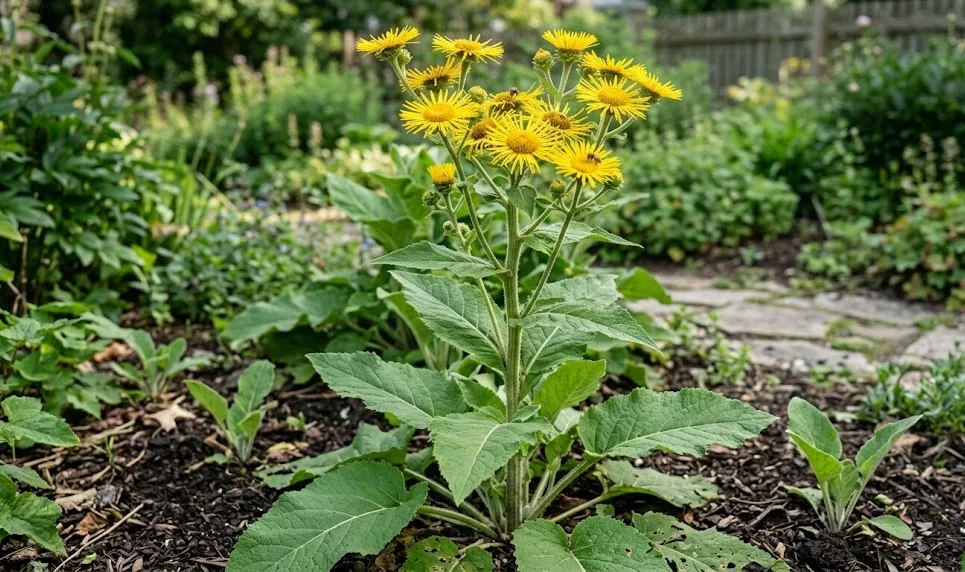

Despite its hardy nature, elecampane can fall victim to various biological threats if environmental conditions are unfavorable. Maintaining a high level of garden hygiene is the first line of defense against most common issues. Professional growers focus on prevention by ensuring that plants are not stressed by drought or poor nutrition. Understanding the lifecycle of potential threats is essential for effective and sustainable management.
Powdery mildew is one of the most frequent fungal problems encountered when growing this herb. It appears as a white, flour-like coating on the upper surface of the large leaves. This usually occurs when there is high humidity combined with poor air circulation around the plants. You can mitigate this by ensuring proper spacing and removing any heavily infected foliage immediately.
Various sucking insects, such as aphids, can occasionally target the tender new growth in the spring. These pests can weaken the plant and serve as vectors for various viral diseases. You should monitor the undersides of the leaves and the growing tips for any signs of infestation. Small populations can often be managed with a strong stream of water or insecticidal soap applications.
Root rot can be a devastating issue if the soil is allowed to stay waterlogged for extended periods. This fungal condition attacks the very part of the plant that is most valuable for medicinal use. You will notice a general decline in the plant’s health, often accompanied by a foul smell from the soil. Prevention through proper drainage and site selection is much more effective than any chemical treatment.
Adopting a holistic approach to pest management involves encouraging natural predators in the garden area. Ladybugs and hoverflies are excellent allies in the fight against aphids and other soft-bodied insects. You should avoid using broad-spectrum pesticides that might harm these beneficial organisms and disrupt the natural balance. A diverse garden ecosystem often regulates itself with very little human intervention required.
More articles on this topic
Environmental stress can often be mistaken for disease or pest damage by inexperienced gardeners. Sunscald or windburn can cause browning and crisping of the leaf margins during extreme weather. You should look for patterns in the damage to determine if the cause is biological or environmental. Providing temporary shade or windbreaks can often solve these problems without the need for specialized treatments.