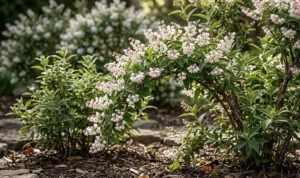
The arrival of winter presents a unique set of challenges for any perennial plant, and the tall skullcap is no exception to this rule. While this species is hardy in many temperate regions, providing the right protection ensures it returns with vigor in the following spring. Professional overwintering practices focus on soil insulation, moisture management, and the proper timing of seasonal maintenance tasks. This guide will provide you with the essential information to help your plants survive the cold months and thrive once the warmth returns.
Winter survival for the tall skullcap is largely a result of its natural ability to enter a dormant state during the coldest periods of the year. During this time, the visible parts of the plant may die back, but the root system remains alive and waiting beneath the surface. Your role as a gardener is to protect this underground life from extreme temperature fluctuations and excessive moisture that can cause rot. A proactive approach to winter preparation is the best way to ensure a successful transition into the new growing season.
The specific overwintering needs of your plants will depend on your local climate and the unique conditions of your garden site. In regions with reliable snow cover, the snow itself acts as an excellent natural insulator for the roots and the plant’s crown. In areas with dry, windy, or fluctuating winter weather, you may need to provide more hands-on protection to prevent damage. Understanding these variables allows you to tailor your overwintering strategy for the best possible results in your specific situation.
Preparation for winter should begin long before the first frost arrives on the horizon of the gardening season. Gradually reducing water and stopping all fertilization in late summer helps the plant naturally transition into its dormant phase. This allows the tissues to harden off and the plant to store the necessary energy reserves for its winter rest. Taking the time to prepare the plant properly is just as important as the physical protection you provide once the cold weather truly sets in.
Preparing the plant for dormancy
The transition to dormancy is a natural process that the tall skullcap undergoes as the days shorten and the temperatures begin to drop in the autumn. You will notice the leaves starting to change color and the stems becoming more woody as the plant pulls its resources back into the roots. This is a critical time for the plant to build up the internal defenses it needs to withstand the freezing temperatures of the coming months. Your primary task during this stage is to avoid any actions that might encourage new, tender growth that could be easily damaged.
More articles on this topic
As the foliage begins to yellow and die back, you can decide whether to prune the stems or leave them for winter interest. Many professional gardeners prefer to leave some of the structure intact as it provides a valuable habitat for beneficial insects and adds a visual element to the winter landscape. If you do choose to cut the plant back, wait until the foliage is completely dead to ensure the plant has finished moving all its energy to the root zone. Leaving about ten centimeters of stem can help you locate the plant in the spring and provide a small amount of protection for the crown.
Cleaning up the area around the base of the plant is another important step in preparing for a successful overwintering period. Remove any fallen leaves or debris that might harbor pests or diseases over the winter months. This is also an excellent time to do a final check for any lingering weed problems and address them before the ground freezes. A clean and well-organized garden bed is much less likely to experience issues during the spring thaw and the early stages of new growth.
Finally, ensure that the plant is well-hydrated but not waterlogged before the ground enters a deep freeze. A deep watering in late autumn provides the roots with the moisture they need to survive the dry winter air without becoming desiccated. This is particularly important if your region has experienced a dry autumn or if the winter is expected to be windy and cold. Proper hydration is a simple but essential part of preparing any perennial for a long period of winter dormancy.
Soil insulation and mulching techniques
One of the most effective ways to protect the roots of the tall skullcap from extreme cold is through the use of organic mulch. A layer of bark chips, straw, or well-rotted compost acts as a thermal blanket that moderates the temperature of the soil beneath it. This prevents the damaging cycle of freezing and thawing that can sometimes heave the plants out of the ground or tear their sensitive roots. Aim for a mulch layer of about five to ten centimeters for the best insulation results throughout the winter.
More articles on this topic
The timing of mulch application is just as important as the material you choose for the task in your garden. It is best to wait until the ground has started to cool down but before it freezes solid to apply your winter mulch layer. Applying it too early can trap heat and moisture, which might encourage the plant to stay active for too long or lead to fungal problems. A professional gardener watches the weather and the plant’s behavior to find the perfect window for this essential protective task.
When applying the mulch, be careful not to pile it directly against the stems or the very center of the plant’s crown. Excess moisture trapped against the crown can lead to rot and other issues during the wet periods of winter and early spring. Instead, spread the material evenly in a circle around the base of the plant to protect the entire root zone. This creates a stable environment where the roots can rest safely until the soil begins to warm up again in the following year.
In regions with extremely cold winters or very little natural snow cover, you may need to provide additional layers of protection for your prized specimens. You can use evergreen boughs or a specialized horticultural fleece to provide an extra barrier against biting winds and deep frost. These temporary measures are easy to install and remove, providing a flexible way to manage the risks associated with an unpredictable winter climate. Investing in good quality mulching and insulation techniques is a hallmark of professional garden care and overwintering success.
Indoor vs. outdoor overwintering strategies
For most gardeners in temperate zones, the tall skullcap is perfectly capable of surviving the winter outdoors with minimal human intervention. Its natural hardiness makes it a reliable choice for permanent landscape plantings that return year after year. As long as the drainage is good and the plant has been properly prepared, it should have no trouble handling the cold months. This outdoor resilience is one of the many reasons why this species is so highly valued by professional landscapers and home gardeners alike.
In regions that are outside the plant’s natural hardiness range, or for plants grown in containers, indoor overwintering may be necessary. If you have tall skullcap in pots, moving them into a cold but frost-free location like a shed or an unheated garage is often enough. The goal is to keep the roots from freezing solid while still allowing the plant to remain in its necessary dormant state. You will need to check the soil moisture occasionally to ensure the roots don’t dry out completely during their indoor stay.
Another option for container-grown plants is to bury the entire pot in the ground in a protected area of the garden for the winter months. This uses the natural insulation of the earth to protect the roots and is often more successful than leaving the pots exposed to the air. Cover the top of the pot with a thick layer of mulch to provide additional protection for the crown and the soil surface. This hybrid strategy combines the flexibility of container gardening with the natural protection of the outdoor environment.
Whichever strategy you choose, the key is to maintain a stable environment that respects the plant’s need for a period of cold-induced rest. Avoid moving the plants into a warm indoor space, as this will break their dormancy too early and lead to weak and spindly growth. A successful overwintering period is one where the plant remains quiet and protected until the natural signals of spring arrive. By matching your strategy to your local conditions, you can ensure that your tall skullcap remains a long-lived and healthy part of your garden.
Spring awakening and post-winter assessment
As the days begin to lengthen and the soil starts to warm, it is time to look for the first signs of life from your overwintered plants. You will typically see new shoots emerging from the base of the plant or from the lower parts of the stems if they were not cut back. This is an exciting time for any gardener as it confirms the success of your overwintering efforts and the start of a new season. Be patient, as some plants take longer than others to wake up depending on the depth of the frost and the soil temperature.
Once you see new growth, it is important to gradually remove any heavy winter mulch to allow the soil to warm up more quickly. Do this over several days to avoid exposing the tender new shoots to a sudden change in temperature or intense spring sun. This is also the best time to do any final cleanup of the dead stems from the previous year that were left for winter interest. A clean start allows the plant to focus all its energy on the rapid growth that characterizes the spring season.
Assess the health of the plant by looking for any signs of winter damage, such as split stems or areas of rot at the crown. If you notice any problems, use clean and sharp tools to prune away the affected sections and encourage healthy new growth to take over. You can also take this opportunity to re-check the drainage and make any necessary adjustments before the spring rains begin. A thorough post-winter assessment is a vital part of maintaining a professional standard of care for your perennial garden.
Finally, consider providing a light application of a balanced organic fertilizer to support the plant’s early growth phase. This gives the tall skullcap the resources it needs to build a strong structure and prepare for its upcoming flowering period. With the right care and a successful overwintering period behind it, your plant is ready to provide another season of beauty and ecological value. The cycle of the seasons is a fundamental part of the gardening experience, and witnessing the spring return of your plants is its greatest reward.