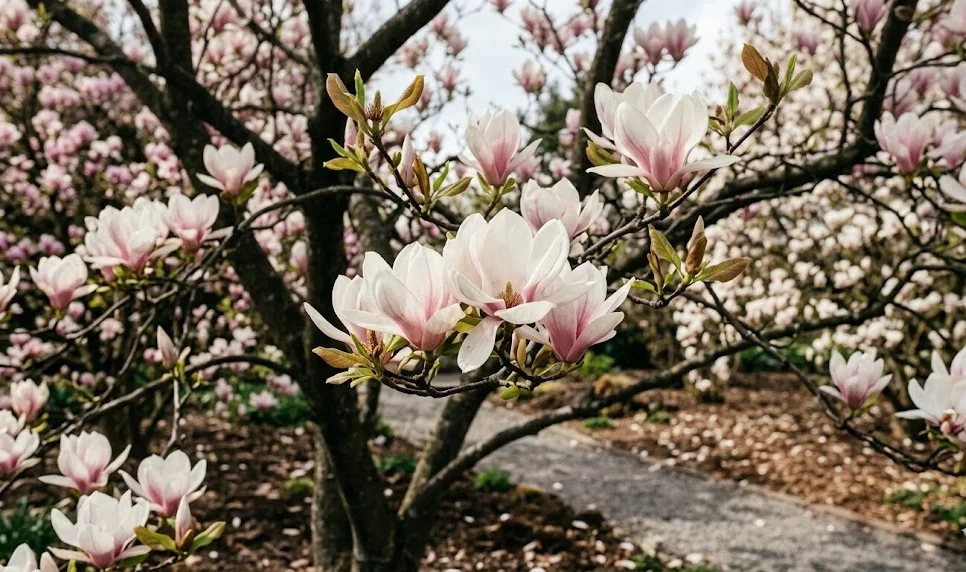

Protecting these ornamental treasures from biological threats is a vital part of maintaining a healthy and aesthetically pleasing landscape. While they are generally considered to be resilient trees with few major issues, they can still fall victim to various pathogens and insects. Understanding the symptoms of common problems allows you to intervene early and use the most appropriate management strategies. A professional approach involves regular monitoring and the use of integrated pest management techniques to minimize the impact of these stressors.
Fungal infections are among the most common issues you will encounter when caring for these species in a garden setting. These pathogens often thrive in humid conditions where there is poor air circulation around the foliage and branches. Leaf spot and powdery mildew are frequently seen, though they are usually more of an aesthetic concern than a threat to the tree’s life. However, if left unchecked, severe infections can weaken the plant over time and reduce its overall vigor and blooming potential.
Bacterial diseases can sometimes be more serious and harder to treat than fungal ones, especially if they enter the vascular system. Leaf scorch and certain types of blights can cause rapid browning of the foliage and the dieback of small twigs. These issues are often spread by splashing rain or contaminated pruning tools, making garden hygiene a top priority. Identifying the specific cause of the symptoms is essential for choosing the right treatment and preventing further spread to other plants.
Insects and other small pests can also cause significant damage by feeding on the leaves, sap, or even the wood of the tree. Scale insects and spider mites are common culprits that can go unnoticed until their populations reach damaging levels. Their feeding activities can cause yellowing, leaf drop, and a general decline in the health of the specimen. By being proactive and observing the tree closely, you can often manage these pests using simple and environmentally friendly methods.
Common fungal leaf issues
Leaf spot fungi often appear as small, dark lesions on the surface of the leaves during periods of wet and warm weather. These spots may have a yellow halo and can eventually coalesce, causing the entire leaf to turn brown and fall prematurely. While a few spots are normal, a heavy infestation can significantly reduce the photosynthetic capacity of the tree. Improving air circulation by thinning nearby shrubs or cleaning up fallen leaves can help reduce the spore load in the environment.
More articles on this topic
Powdery mildew is another fungal problem that manifests as a white, flour-like coating on the surface of the new leaves and buds. This disease is most prevalent in late summer when the days are warm and the nights are cool and damp. It can cause the foliage to become distorted and may inhibit the proper development of the following year’s flower buds. Applying a sulfur-based fungicide or a simple neem oil solution can often keep this issue under control if started at the first sign of symptoms.
Verticillium wilt is a much more serious fungal disease that attacks the water-conducting tissues of the tree from the soil up. Symptoms usually include the sudden wilting and yellowing of branches on one side of the tree while the rest appears healthy. Unfortunately, there is no effective cure for this soil-borne pathogen once it has infected the internal structure of the plant. Maintaining high vigor through proper watering and fertilization is the best defense against this devastating condition.
Canker diseases can also affect the bark and wood, causing sunken areas that may eventually girdle and kill branches. These fungi often enter through wounds caused by pruning, wind damage, or mechanical injury from lawn equipment. You should prune out any affected branches well below the site of the canker, making sure to sterilize your tools between each cut. Keeping the tree healthy and avoiding unnecessary physical damage is the primary way to prevent cankers from gaining a foothold.
Managing bacterial infections
Bacterial leaf spot can look very similar to fungal spots but often has a more angular appearance and may appear water-soaked. These bacteria are often moved from plant to plant by insects or by the movement of water during heavy storms. Unlike fungi, bacteria cannot be treated with standard fungicides, requiring specialized copper-based products instead. Reducing overhead watering can also significantly decrease the spread of these pathogens within the canopy.
More articles on this topic
Fire blight is a serious bacterial disease that can cause the ends of branches to look as if they have been scorched by flames. The leaves turn black and stay attached to the tree, and the tips of the twigs may curl into a characteristic “shepherd’s crook” shape. This disease moves quickly and can kill young trees or severely disfigure mature ones if it is not managed aggressively. Promptly pruning out infected wood during the dormant season is the most effective way to stop its progression.
Bacterial wetwood, or slime flux, is a condition where fermented sap oozes from cracks or wounds in the trunk. This liquid is often dark and foul-smelling, and it can leave unsightly streaks down the bark as it dries. While it usually doesn’t kill the tree, it can be a sign of internal stress and may attract unwanted insects to the area. There is no direct treatment for wetwood, but improving the overall health of the tree can help it wall off the infection naturally.
Preventing bacterial issues starts with purchasing healthy, disease-free nursery stock from reputable sources. Inspect new plants carefully for any signs of oozing, discoloration, or unusual growth patterns before bringing them into your garden. Maintaining a clean environment by removing diseased plant material and sanitizing tools is your best long-term strategy. By being vigilant and proactive, you can protect your collection from the most damaging bacterial threats.
Dealing with insect pests
Scale insects are among the most persistent pests of these trees, often appearing as small, waxy bumps on the twigs and branches. They feed by sucking the sap from the plant, which can lead to stunted growth and a thinning canopy. Because they are protected by a hard shell, they can be difficult to control with standard contact insecticides. Applying horticultural oil during the dormant season is a highly effective way to smother the scale and reduce their numbers.
Spider mites are tiny arachnids that thrive in hot, dry conditions and can cause the foliage to take on a stippled or bronzed appearance. You may also notice fine webbing on the undersides of the leaves if the infestation is particularly severe. A strong blast of water from a garden hose can often knock many of the mites off the plant and increase humidity. If the problem persists, using insecticidal soap or neem oil can help manage the population without harming many beneficial insects.
Aphids are small, soft-bodied insects that often cluster on the tender new growth and the undersides of leaves. They excrete a sticky substance called honeydew, which can lead to the growth of unsightly black sooty mold on the foliage. While a few aphids are rarely a problem, large numbers can cause the leaves to curl and become distorted. Encouraging natural predators like ladybugs and lacewings into your garden is a sustainable way to keep aphid populations in check.
Magnolia borers are the larvae of certain beetles that tunnel into the wood of the tree, disrupting the flow of water and nutrients. You might notice small holes in the bark or “frass,” which looks like sawdust, accumulating at the base of the trunk. These pests are most likely to attack trees that are already weakened by drought or other environmental stressors. Keeping your tree well-watered and healthy is the best way to prevent borers from causing significant structural damage.
Integrated pest management
The goal of professional pest management is not to eliminate every insect but to keep their populations below a level that causes significant harm. This approach involves a combination of cultural, biological, and chemical methods to maintain the health of the ecosystem. Start by choosing resistant varieties that are naturally less prone to the common issues in your specific region. Proper site selection and maintenance are the most important tools you have for preventing problems before they start.
Biological control involves fostering an environment where natural enemies can thrive and help you manage pests for free. Avoid using broad-spectrum insecticides that kill the “good bugs” along with the “bad bugs” in your garden. Planting a diverse range of flowers and shrubs nearby can provide the nectar and habitat needed by predatory insects and birds. A balanced garden ecosystem is much more resilient and requires far less intervention from the gardener over time.
When chemical intervention is necessary, always choose the least toxic option that will effectively solve the specific problem. Spot-treating affected areas is much better than spraying the entire tree, as it minimizes the impact on non-target organisms. Always read and follow the label instructions exactly to ensure your safety and the health of the environment. Timing your applications to match the most vulnerable stage of the pest’s life cycle will yield the best results.
Regularly scouting your trees is the cornerstone of a successful integrated pest management program. Take a few minutes each week to walk through your garden and look closely at the foliage, bark, and buds of your specimens. Catching a problem when it is limited to a single branch makes it much easier to manage than if it has spread through the whole tree. Your consistent presence and attention are the most valuable assets you have in the fight against diseases and pests.