
Light requirements of dusty miller are perhaps the most influential factor in determining the plant’s overall health and aesthetic appeal. This perennial is naturally adapted to open coastal landscapes where it receives intense, unobstructed sunlight for the majority of the day. To replicate these conditions in a garden setting, you must prioritize a location that offers high light levels and minimal shade. A professional understanding of how light affects the plant’s biology will help you achieve that iconic brilliant silver look.
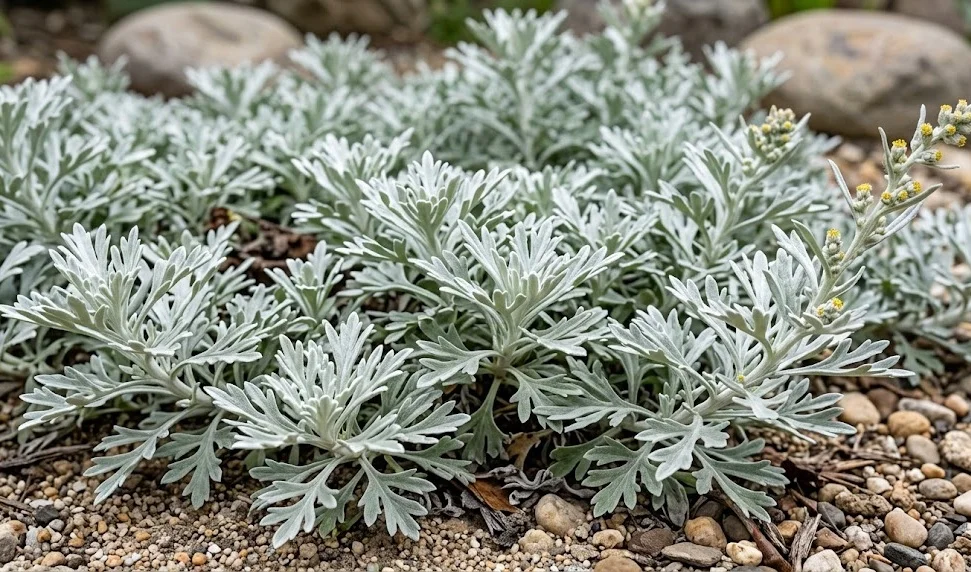
The amount of light the plant receives directly impacts the production of the fine, felt-like hairs that cover its leaves. These hairs serve as a natural sunscreen and a mechanism to reduce moisture loss in harsh, sunny environments. When the plant is grown in insufficient light, it produces fewer of these hairs, causing the foliage to take on a more green and less attractive appearance. Monitoring the intensity of the silver color is the easiest way to judge if the plant is getting enough sun.
In addition to leaf color, light levels also govern the physical structure and growth habit of the plant. In full sun, the plant maintains a compact, dense mound that is highly desirable for borders and rock gardens. However, in shaded conditions, the stems will often stretch toward the light, resulting in a “leggy” or sparse appearance that lacks the visual impact of a well-grown specimen. Choosing the right spot from the beginning is much easier than trying to correct a plant that has already become misshapen due to low light.
While the plant is incredibly sun-tolerant, there are subtle nuances to consider based on your specific geographic location and climate. A plant in a northern garden might need every bit of sun it can get, while one in a scorching southern climate might appreciate a brief respite in the late afternoon. This article explores the technical details of light management, helping you find the perfect balance for your garden. Professional light assessment is a key skill that separates expert horticulturists from casual gardeners.
Maximizing benefits of full sun exposure
Full sun is generally defined as six or more hours of direct sunlight per day, but for this species, more is almost always better. You should aim to place your plants in a south-facing or west-facing location where they can soak up the maximum amount of solar energy. This intense light exposure keeps the foliage dry, which is your first line of defense against many fungal diseases. The heat from the sun also warms the soil, which supports the healthy metabolic processes of the root system.
More articles on this topic
The quality of the light is just as important as the quantity when you are aiming for professional results. Morning sun is particularly beneficial because it quickly dries off any dew that has settled on the leaves overnight. Afternoon sun provides the high-intensity light needed to trigger the dense growth of the protective silver hairs. If you can provide a site that catches both the early and late rays, your plants will be much more resilient and visually striking.
In urban or small-scale gardens, you must be mindful of shadows cast by buildings, fences, or larger neighboring plants. Even a few hours of deep shade in the middle of the day can significantly impact the plant’s performance over time. You should observe the movement of shadows across your garden throughout the day before deciding on a permanent planting spot. A professional light map of your garden can be a valuable tool for placing silver-foliage plants correctly.
If you are growing this plant in a container, you have the advantage of being able to move it as the seasons change. During the shorter days of spring and autumn, you can move the pot to the sunniest part of your patio or balcony. This flexibility ensures that the plant always receives the optimal amount of light regardless of the sun’s angle in the sky. Consistent light exposure is the secret to maintaining a uniform silver color across all your plants.
Managing shade and low light limitations
While this plant is technically resilient, it does not perform at its best when placed in significant shade. You will notice that plants in low-light areas often have larger, greener leaves and much longer internodes (the space between leaves on the stem). This growth pattern is the plant’s way of searching for more light, but it results in a weak structure that is prone to flopping. If you find your plants behaving this way, it is a clear sign that they need a sunnier location.
More articles on this topic
Shaded conditions also lead to increased moisture retention on the foliage and in the soil, which can invite pests and diseases. Without the sun’s energy to evaporate excess water, the plant becomes a prime target for powdery mildew and root rot. If you must plant in a spot that isn’t perfectly sunny, you should compensate by ensuring the air circulation is exceptional. However, a professional gardener will always prioritize light over other environmental tweaks for this specific species.
Dappled shade, such as that found under the canopy of a high-branching tree, might be tolerated for a short period each day. However, you should monitor the plant closely to ensure it doesn’t lose its silver luster or start to lean toward the brighter areas. If the plant begins to look “tired” or loses its dense texture, it is probably not getting enough light to support its specialized foliage. Relocating the plant to a brighter spot is often the only permanent solution for shade-related decline.
If your garden is naturally very shady, you might consider using reflective surfaces to bounce more light onto your silver plants. Placing them near a light-colored wall or using reflective mulch like white gravel can help increase the ambient light levels slightly. While this is not a substitute for direct sun, it can make a difference in marginal light conditions. Professional designers often use these tricks to highlight silver foliage in more challenging parts of the landscape.
Physiological effects of light on plant health
The relationship between light and the plant’s physiology is complex and goes beyond just the color of the leaves. Light provides the energy needed for photosynthesis, which the plant uses to build strong cell walls and a robust root system. When light is limited, the plant’s energy reserves are depleted, making it more vulnerable to environmental stresses like drought or cold. A well-lit plant is essentially a well-fueled plant that can better take care of itself.
The intensity of UV radiation also plays a role in the development of the plant’s unique chemistry and physical attributes. The silver hairs are not just for show; they reflect a significant portion of the UV light that would otherwise damage the delicate leaf tissues. This adaptation allows the plant to thrive in high-altitude or coastal environments where light levels are particularly intense. By providing full sun, you are allowing the plant to use its natural defenses exactly as they were intended.
Photoperiodism, or the plant’s response to the length of the day, also influences its growth and flowering cycles. While dusty miller is primarily grown for its foliage, the long days of summer can trigger the production of small yellow flowers. If you prefer the compact foliage look, you might notice more flower stalks appearing as the days reach their maximum length. Understanding this cycle allows you to anticipate when you might need to do a bit of extra maintenance or pruning.
Finally, light levels can even affect the scent and essential oils within the leaves of many Artemisia species. While this variety is not primarily known for its fragrance, the concentration of secondary metabolites is often higher in plants grown in full sun. This can make the plant even less attractive to browsing deer or rabbits, providing an extra layer of natural protection. Professional horticulture is about understanding these deep connections between the environment and the plant’s internal biology.