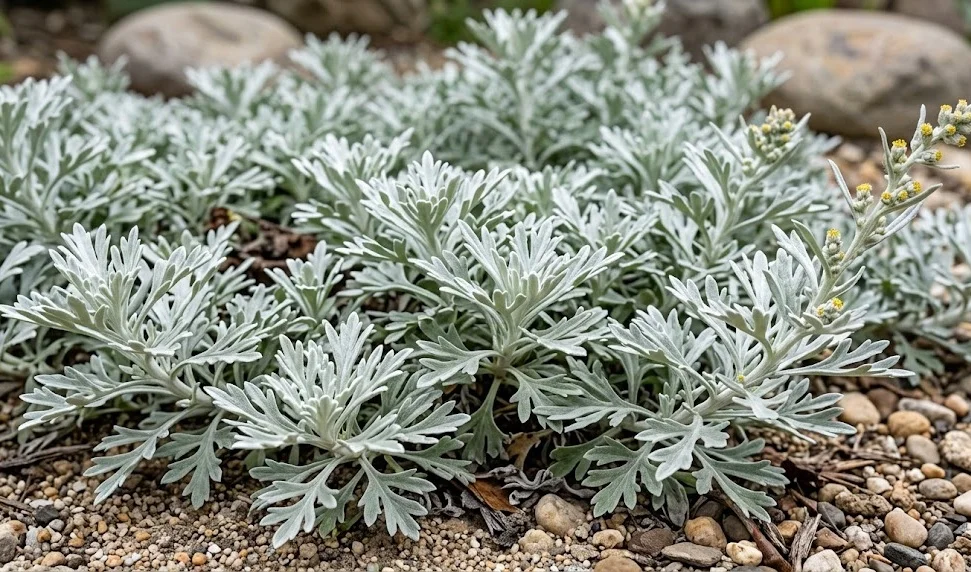

Care of dusty miller begins with an appreciation for its unique silver foliage and its hardy nature. This perennial plant is highly valued by gardeners who want to add texture and a cool color palette to their landscapes. While it is relatively low-maintenance, achieving the best visual results requires a consistent approach to its environmental needs. Understanding the fundamental growth habits of the plant will help you maintain its vigor throughout the growing season.
Successful maintenance starts with placing the plant in a location that mirrors its natural coastal habitat. You should ensure that the soil is exceptionally well-drained to prevent the silver leaves from losing their luster. Air circulation is another critical factor that prevents the dense foliage from trapping moisture and developing rot. By monitoring these basic conditions, you provide a strong foundation for the plant to thrive without constant intervention.
General upkeep involves regular inspections for any signs of physical damage or environmental stress. You should look for changes in the leaf color or the stiffness of the stems to gauge the overall health of the specimen. Removing any debris that falls into the center of the mound will help keep the crown dry and healthy. A proactive approach to care ensures that the plant remains a standout feature in your garden beds for years.
The aesthetic appeal of this species is largely due to the soft, felt-like hairs that cover its leaves. These hairs serve a biological purpose by reflecting sunlight and reducing moisture loss, but they can become dull if the plant is neglected. Keeping the surrounding area free of weeds will reduce competition for nutrients and maintain the visual purity of the silver mound. Professional care is less about intensive labor and more about observing the subtle needs of the foliage.
Soil and drainage requirements
The foundation of healthy growth lies in providing a medium that allows for rapid water movement away from the roots. You should avoid heavy clay soils that retain moisture for long periods, as this can lead to root decline. Sandy or loamy soils are ideal because they mimic the coastal dunes where this plant originally evolved. Amending the soil with grit or perlite can significantly improve the internal structure for better drainage.
More articles on this topic
Maintaining the correct pH balance is also essential for the long-term health of the plant. It generally prefers a neutral to slightly alkaline environment, though it can tolerate a wide range of conditions if drainage is perfect. You can test your soil periodically to ensure it hasn’t become too acidic due to organic decomposition. If the soil is too rich, the plant may grow too quickly and lose its compact, attractive shape.
Poor drainage is the most common cause of failure when growing this specific variety of artemisia. You will notice that the lower leaves turn yellow or brown if the root zone stays saturated for more than a day. Raising the planting bed is a professional technique used to ensure that gravity helps pull excess water away from the crown. This simple adjustment can make a significant difference in the survival rate during rainy seasons.
Subsurface aeration is another factor that professional landscapers often consider for silver-foliage plants. Compacted soil prevents oxygen from reaching the roots, which is just as damaging as overwatering. You can lightly cultivate the surface around the plant to break up any crust that forms after heavy rains. Ensuring the soil remains loose and friable will support a robust root system capable of sustaining the plant through dry spells.
Placement and spacing in the landscape
Strategic placement is key to showcasing the unique visual qualities of this silver-leaved perennial. You should consider using it as a border plant or a groundcover to create a high-contrast edge against darker green foliage. Because of its spreading habit, it works exceptionally well in rock gardens where it can spill over stones. The silver color acts as a neutral backdrop that makes vibrant flowers in neighboring plants appear more intense.
More articles on this topic
Spacing is a critical technical detail that determines whether the plants will grow into a seamless mat or a series of isolated mounds. You should generally space individual plants about twelve to eighteen inches apart to allow for their natural spread. This distance ensures that each plant has enough room to expand without immediately crowding its neighbors. Proper spacing also facilitates the necessary airflow that keeps the dense foliage dry and healthy.
When integrating this plant into a larger garden design, you must think about the heights of surrounding species. Since it typically stays low to the ground, it should be placed in the front of a border to avoid being overshadowed. Taller plants can sometimes block the sunlight or create “dead zones” where air becomes stagnant. Placing it in an open, breezy area will help maintain the integrity of the silver hairs on the leaves.
The microclimate of your garden will also dictate where the plant will perform the best over time. You should look for areas that catch the morning sun and have some protection from the most intense afternoon heat in very hot climates. However, in more temperate regions, a fully exposed site is usually the most beneficial for maintaining the plant’s silver color. Observational planting allows you to find the perfect spot where the plant feels most at home.
Seasonal care adjustments
As the seasons transition, your approach to maintaining this hardy perennial must also adapt to the changing environment. In the spring, the focus should be on cleaning up any winter damage and encouraging new growth from the base. You will see fresh silver shoots emerging as the temperatures stabilize and the days get longer. This is the best time to check the soil moisture and ensure that the winter rains haven’t compacted the earth.
During the height of summer, the primary goal is to manage heat stress and maintain the aesthetic form of the plant. You might find that the plant attempts to flower, but these yellow blooms are often considered secondary to the foliage. Many experts recommend removing the flower stalks to keep the plant’s energy focused on leaf production. This practice prevents the plant from becoming “leggy” or opening up in the center during the hottest months.
Autumn brings a shift toward preparing the plant for the upcoming dormant period. You should reduce any supplemental watering as the growth rate slows down and the air becomes cooler. It is important to leave the foliage intact during this time to provide a natural layer of protection for the crown. Cleaning up fallen leaves from other trees that land on the artemisia will prevent rot during the damp fall days.
Winter care is minimal but essential for ensuring the plant returns with vigor in the following spring. In colder regions, you might notice the foliage taking on a slightly different hue or flattening out against the ground. This is a natural defensive response to the cold and should not be a cause for alarm. Avoiding any heavy pruning or fertilization during the winter months is the standard professional recommendation for this species.
Foliage health and aesthetics
The primary reason for growing this plant is its striking silver foliage, which requires specific attention to remain beautiful. You should avoid overhead watering, as getting the leaves wet can cause them to mat down and lose their shimmer. If the foliage becomes covered in dust or soil, a very gentle misting on a sunny morning can clean it. The goal is to keep the leaves looking as crisp and felt-like as possible throughout the year.
The intensity of the silver color is directly related to the amount of light the plant receives and its overall hydration level. You will find that plants in full sun tend to produce more of the protective silver hairs, resulting in a brighter appearance. If the plant begins to look more green than silver, it is often a sign that it is receiving too much shade. Monitoring the color allows you to make adjustments to the surrounding environment if necessary.
Maintaining a compact and bushy shape is another part of the aesthetic care process for this artemisia. You can gently pinch back the tips of the young stems to encourage branching and a more dense growth habit. This technique prevents the stems from becoming long and woody, which can detract from the soft appearance of the mound. A well-maintained plant should look like a solid cushion of silver when viewed from a distance.
Occasionally, older leaves at the base of the plant may turn brown or shrivel as part of the natural aging process. You should remove these spent leaves periodically to keep the interior of the plant clean and well-ventilated. This minor grooming task goes a long way in preventing pest infestations and fungal growth. Keeping the plant tidy ensures that it remains a high-quality focal point in your professional garden design.
Companion planting strategies
Choosing the right neighbors for your silver foliage can elevate the entire look of your garden landscape. You should pair this plant with species that have contrasting textures, such as fine-leaved grasses or broad-leaved hostas. The silver tones work beautifully with purple, blue, and pink flowers, creating a sophisticated and calming color palette. Many designers use it to bridge the gap between bright primary colors and more subtle earth tones.
In terms of cultural requirements, you must choose companions that share the same need for well-drained soil and sunlight. Lavender, salvia, and various types of sedum are excellent choices that thrive in the same environmental conditions. Avoiding moisture-loving plants as immediate neighbors is crucial to prevent overwatering the artemisia. When the watering needs of adjacent plants are synchronized, garden maintenance becomes much more efficient.
The structural relationship between plants is also an important consideration for a professional horticulturist. You can use the low, spreading habit of the silver foliage to “ground” taller, more upright perennials. This creates a layered effect that adds depth and visual interest to a flower bed or border. The consistent silver color provides a sense of rhythm and unity when repeated throughout a large planting area.
You should also consider the seasonal timing of your companion plants to ensure year-round interest. For example, planting spring bulbs near the artemisia allows the silver foliage to hide the maturing bulb leaves later in the season. In the winter, the evergreen or semi-evergreen nature of the dusty miller provides structure when other plants have died back. This strategic planning ensures that your garden remains attractive and functional through every month of the year.
Long term plant health and vitality
Ensuring the longevity of your plants requires a deep understanding of their lifecycle and potential for rejuvenation. Most specimens will perform beautifully for several years before they begin to show signs of woodiness or decline. You should monitor the center of the plant for any bald spots or thinning foliage, which suggests it may be time for renewal. A healthy plant should consistently produce new growth from the base every spring.
Periodically assessing the soil health is a professional habit that prevents long-term nutrient deficiencies or toxicity. Even though this plant isn’t a heavy feeder, the gradual depletion of trace minerals can affect its vigor. You can apply a thin layer of compost around the base of the plant once a year to replenish the soil naturally. This organic approach supports a healthy soil biome, which in turn protects the plant from various stresses.
Managing the physical environment around the plant is just as important as direct care for the plant itself. You should ensure that nearby shrubs or trees aren’t growing so large that they begin to encroach on the artemisia’s light or air. Root competition from larger plants can also starve the dusty miller of the limited moisture it needs during droughts. Keeping a clear zone around your silver plants will help them maintain their status as healthy, vibrant specimens.
Finally, keeping accurate records of your care routine can help you identify what works best in your specific garden conditions. Note how the plant responds to different weather patterns or minor changes in your maintenance schedule. This data-driven approach allows you to refine your techniques and achieve professional-level results consistently. With proper attention, this silver perennial will continue to be a resilient and beautiful part of your landscape for many seasons.