
Preparing your climbing vines for the cold season is a vital task that ensures they survive the freezing temperatures and return with vigor in the spring. While established vines are generally hardy, they still benefit from specific protective measures to safeguard their root systems and dormant buds. A thoughtful approach to winter care involves both physical protection and timing your maintenance tasks to coincide with the plant’s natural dormancy. By following these professional guidelines, you can minimize the risk of winter damage and set the stage for a spectacular floral display once the weather warms.
The first step in the winterization process is to ensure the plant is well-hydrated before the ground freezes solid for the winter months. Evergreens and deciduous woody plants alike continue to lose moisture through their stems even when they are dormant, a process called desiccation. Providing a deep watering in late autumn after the leaves have fallen helps the plant build up its moisture reserves to survive the dry winter air. This is especially important for young vines that have not yet developed an extensive and deep root system in the local soil.
Cleaning up the area around the base of the vine is another important task to complete before the first heavy snow arrives in your region. You should remove any fallen leaves, spent flowers, and weeds that could harbor pests or fungal diseases over the winter. This simple act of sanitation reduces the risk of infections spreading to the main trunk when the temperatures rise in the spring. Keeping the ground clear also makes it easier to apply a fresh layer of protective mulch once the cleanup is finished.
Pruning in late autumn should be limited to removing dead, damaged, or diseased wood that could be further broken by heavy snow or ice. You should avoid any heavy pruning of healthy branches at this time, as it can stimulate new growth that will be killed by the first hard frost. This tender new wood has not had time to “harden off” and is highly susceptible to freezing damage that can travel back into the main plant. Focus instead on securing any loose vines to their support structure to prevent them from whipping around in winter winds.
The timing of your final chores should be guided by the local weather patterns and the specific needs of your garden’s microclimate. It is best to wait until the plant has fully entered its dormant state, which is signaled by the complete loss of its leaves in the late autumn. Working with the plant’s natural cycle ensures that your interventions are as effective as possible and do not cause unnecessary stress. Once the vine is tucked in for the winter, you can rest easy knowing you have provided the best possible care for the cold months ahead.
More articles on this topic
Protecting the root zone and trunk
Mulching is perhaps the most effective way to protect the root system from the destructive cycle of freezing and thawing that occurs in many climates. A thick layer of organic material, such as wood chips, bark, or straw, acts as an insulator that keeps the soil temperature more stable. This prevents “frost heaving,” where the soil expands and contracts, potentially pushing the roots out of the ground or breaking them. You should apply about three to four inches of mulch in a wide circle around the base of the plant for the best results.
When applying mulch, it is crucial to keep it a few inches away from the actual bark of the main trunk to prevent moisture buildup and rot. Piling mulch directly against the wood can create a perfect environment for fungi and small rodents that may chew on the bark during the winter. This “mulch volcano” effect is a common mistake that can lead to the girdling and eventual death of even a large, established vine. A donut-shaped application of mulch is the professional standard for protecting woody plants during the dormant season.
In areas with extreme cold or very young plants, you might consider wrapping the lower portion of the trunk with burlap or a commercial tree wrap. This helps protect the sensitive bark from “sunscald,” which happens when the winter sun warms the trunk during the day, followed by a rapid freeze at night. Sunscald can cause the bark to crack and peel, leaving the plant vulnerable to pests and diseases when it wakes up in the spring. Wrapping is usually only necessary for the first few years until the bark becomes thick and corky enough to protect itself.
If your vine is planted in a particularly windy location, providing a temporary windbreak can help prevent the drying out of the dormant stems. You can create a simple screen using burlap attached to stakes on the windward side of the plant to deflect the harshest gusts. This extra step is often the difference between a plant that thrives in the spring and one that suffers significant dieback. Protecting the structural integrity of the plant from physical damage and environmental stress is the core goal of professional winter care.
More articles on this topic
Managing container-grown vines in winter
Wisteria grown in pots or large containers are much more vulnerable to the cold because their roots are not insulated by the mass of the earth. In a container, the temperature of the soil can fluctuate wildly and drop much lower than the ground temperature, which can be fatal for the roots. If possible, you should move smaller containers into an unheated garage, shed, or basement where they will stay cold but not freeze solid. The goal is to keep the plant dormant while protecting it from the most extreme temperature drops of the winter season.
For larger containers that cannot be moved, you will need to wrap the entire pot in insulating materials like bubble wrap, burlap, or old blankets. You can also cluster several pots together in a sheltered corner of the patio to share heat and reduce the surface area exposed to the cold. Mulching the top of the container soil is just as important as it is for ground-planted vines to help retain moisture and stabilize the temperature. Checking the moisture level of the soil occasionally is necessary, as container plants can dry out even in the middle of winter.
Watering container vines during the winter should be done sparingly and only when the weather is above freezing and the soil feels dry. You do not want the soil to be soggy, but it must not be allowed to become bone-dry for extended periods, as this will kill the fine feeder roots. A small amount of water every few weeks is usually sufficient to keep the dormant plant healthy until the spring thaw begins. It is a delicate balance that requires regular observation throughout the long winter months.
As spring approaches, you should gradually move the containers back to their sunny locations and remove the insulating wraps. Be careful not to do this too early, as a late-season frost can still damage the emerging buds that have been protected all winter. Transitioning the plants slowly allows them to adjust to the increasing light and fluctuating temperatures without suffering from shock. This careful management ensures that your container-grown vines are just as successful as those planted in the ground.
Early spring recovery and monitoring
As the snow melts and the ground begins to warm, your first task is to inspect the vine for any signs of winter damage or breakage. You may find that the tips of some branches have died back, which is a common occurrence even in mild winters and is nothing to worry about. Use sharp, clean pruners to cut back any dead or damaged wood to a healthy green bud to encourage new growth. This early cleanup helps the plant focus its energy on the parts of the vine that are ready to grow and bloom.
Removing the excess mulch from around the base of the trunk as the weather warms will allow the soil to heat up more quickly and improve air circulation. You can spread the mulch out further into the garden or replace it with fresh material if it has broken down significantly over the winter. This is also a good time to check the integrity of your support structures and make any necessary repairs before the weight of new leaves is added. Ensuring a strong foundation is the first step in a successful new growing season.
Keeping an eye out for any unusual signs of pests or diseases as the plant wakes up will help you catch potential problems before they escalate. Early spring is when many fungal spores begin to spread and when overwintering insects start to become active again in the garden. A proactive application of horticultural oil or an organic fungicide can be very effective during this transition period if you have had issues in the past. Being observant during these first few weeks of growth is a hallmark of a professional and dedicated gardener.
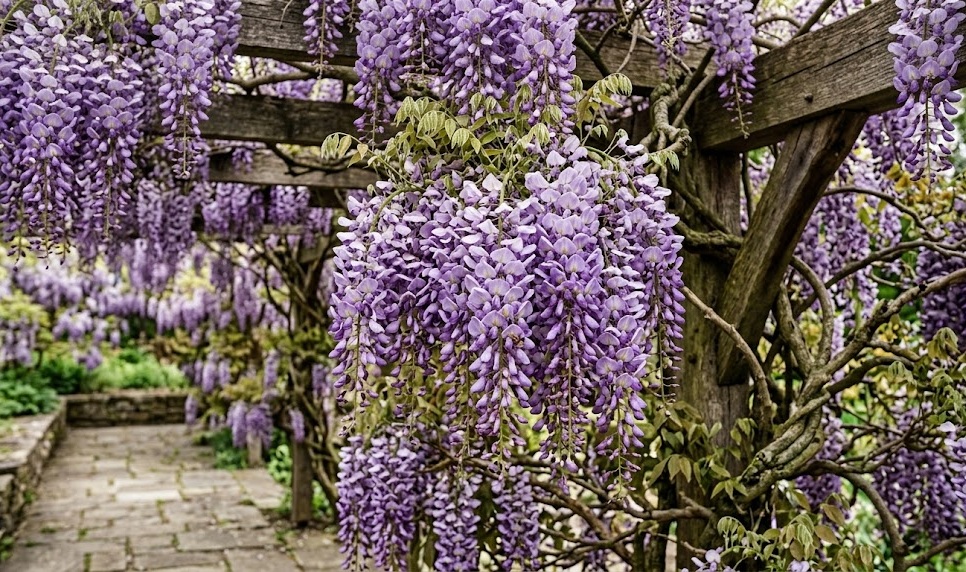
The transition from dormancy to active growth is a magical time in the garden, and your winter care efforts will soon be rewarded with a burst of new life. Watching the buds swell and the first green shoots emerge is a sign that your vine has successfully navigated the challenges of the cold season. With the foundation you have built through careful preparation and protection, your wisteria is now ready to produce another year of breathtaking beauty. Your commitment to seasonal care ensures the long-term health and prosperity of your landscape’s most spectacular features.