
Protecting your climbing vines from the various biological threats they face is a crucial part of high-level garden management. While these plants are generally robust, they can fall victim to several specific diseases and insect pests that can diminish their beauty and vigor. Identifying these issues early and understanding the best ways to treat them will save you significant time and effort in the long run. By maintaining a proactive approach to plant health, you can ensure that your vines remain a vibrant and healthy feature of your landscape for many decades.
Fungal infections are among the most common problems you will encounter, often thriving in humid conditions with poor air circulation. Powdery mildew is easily recognized by the white, flour-like coating it leaves on the leaves and young stems during the summer months. While it rarely kills the plant, it can cause the leaves to distort and drop prematurely, weakening the vine over time. Improving air flow through proper pruning and avoiding overhead watering are the best ways to prevent this unsightly fungal issue from taking hold.
Leaf spot diseases can also appear, showing up as brown or black circles on the foliage that may eventually lead to large dead patches. These are typically caused by fungi that overwinter in fallen leaves, so cleaning up debris around the base of the plant is an essential preventive measure. If an infection becomes severe, you may need to apply a copper-based fungicide or another organic treatment to stop the spread. Regular monitoring during wet spring weather will help you catch these spots before they cover the entire canopy.
Root rot is a much more serious fungal threat that occurs when the soil remains waterlogged for extended periods, suffocating the roots. This condition often manifests as a sudden wilting of the entire plant, even when the soil is wet, as the damaged roots can no longer take up water. Preventing root rot is much easier than treating it, which is why choosing a well-drained planting site is so vital for these vines. If you suspect rot, you must immediately improve the drainage and reduce watering to give the surviving roots a chance to recover.
Canker diseases can affect the woody stems, causing sunken, discolored areas that may eventually girdle and kill an entire branch. These are often caused by fungi or bacteria entering the plant through wounds from pruning or mechanical damage. It is important to use clean, sharp tools and to make proper cuts that allow the plant to heal quickly and naturally. If you find a canker, the best course of action is to prune the affected branch back to healthy wood well below the diseased area.
More articles on this topic
Managing common insect pests
Aphids are small, sap-sucking insects that can cluster on the tender new growth and underside of leaves in large numbers. They excrete a sticky substance called honeydew, which can attract ants and provide a medium for the growth of black sooty mold. A strong blast of water from a garden hose is often enough to knock them off and reduce their population to manageable levels. If the infestation is heavy, using insecticidal soap or neem oil can provide an effective and environmentally friendly solution.
Scale insects are another common pest that can be difficult to spot because they often look like small, immobile bumps on the bark or leaves. These pests also suck the sap from the plant, leading to yellowing foliage and a general decline in the vine’s health and vigor. Because they are protected by a hard outer shell, they are most easily treated when they are in their juvenile “crawler” stage in early summer. Applying horticultural oil during the dormant season can also help smother the overwintering adults on the woody stems.
Borers are perhaps the most destructive pests, as they tunnel into the woody heart of the vine and can cause structural failure or death. You might notice small holes in the trunk or sawdust-like material, called frass, accumulating at the base of the plant. Keeping your vines healthy and well-watered is the best defense against borers, as they are most likely to attack stressed or weakened specimens. If an infestation is detected, you should consult with a professional to determine if the branch can be saved or if it must be removed.
Japanese beetles can occasionally plague these vines in mid-summer, skeletonizing the leaves and leaving behind only the veins. These metallic green beetles are highly mobile and can quickly defoliate a large area if left unchecked during their peak activity. Hand-picking them into a bucket of soapy water in the early morning is a simple and effective way to manage small populations. For larger outbreaks, you may need to use targeted organic sprays, but be careful not to harm beneficial pollinators that may also be visiting the garden.
More articles on this topic
Viral and bacterial concerns
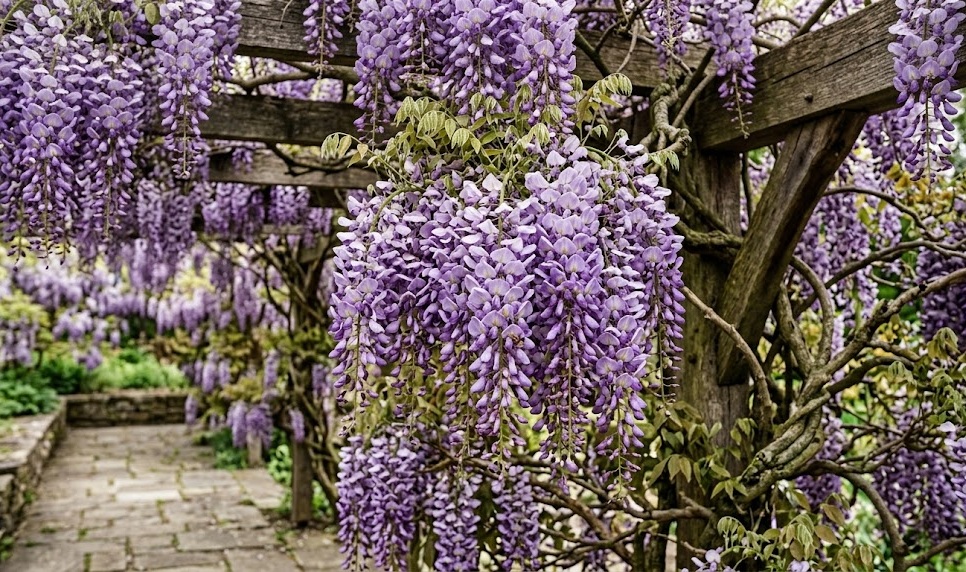
Wisteria mosaic virus is a relatively common viral disease that causes mottled, yellow, or distorted patterns on the leaves of the vine. While the virus usually does not kill the plant, it can significantly reduce its growth rate and the overall quality of the flowers. Viruses are often spread by sap-sucking insects like aphids or through contaminated pruning tools, making hygiene very important. Unfortunately, there is no cure for a viral infection once it is in the plant’s system, so prevention is the only effective strategy.
Bacterial leaf scorch is another potential issue, causing the edges of the leaves to turn brown and look as if they have been burned by the sun. This condition is caused by bacteria that block the flow of water through the plant’s vascular system, leading to chronic dehydration. This disease is often spread by leafhoppers and can be exacerbated by environmental stress like drought or extreme heat. Maintaining a consistent watering schedule and managing the insect population can help reduce the impact of this bacterial threat.
Crown gall is a bacterial disease that causes large, corky growths to form at the base of the stem or on the roots where they meet the soil. These galls can interfere with the movement of water and nutrients, eventually leading to a slow decline in the plant’s health. The bacteria can persist in the soil for many years and usually enter the plant through small wounds in the bark. If you discover crown gall, it is best to avoid planting other susceptible species in that same spot for several years after the vine is removed.
Maintaining a clean and organized garden environment is the most effective way to combat these invisible bacterial and viral enemies. Always disinfect your pruning shears with alcohol or a bleach solution between plants to prevent the accidental transfer of pathogens. Removing and destroying any diseased plant material rather than composting it will help break the cycle of infection in your landscape. A little extra care with hygiene goes a long way in keeping your entire garden healthy and thriving.
Environmental stress and abiotic factors
Sometimes what looks like a disease is actually the result of environmental stress, such as improper watering or extreme temperature fluctuations. Heat scorch can cause the leaves to turn brown and brittle during a sudden heatwave, especially if the plant is in a very exposed location. This is often a temporary issue that the vine will recover from once the weather cools and it receives adequate hydration. Providing some temporary shade during extreme weather can help protect young or sensitive plants from the worst effects of the sun.
Nutrient deficiencies can also mimic the symptoms of disease, causing yellowing, spotting, or stunted growth that can be confusing to diagnose. Iron chlorosis, for example, causes the leaves to turn bright yellow while the veins remain green, often looking like a viral infection. This is usually caused by soil that is too alkaline, preventing the plant from absorbing the iron it needs to produce chlorophyll. Adding a soil acidifier or applying chelated iron to the leaves can quickly correct this problem and restore the plant’s health.
Pollution and chemical drift from nearby herbicide applications can also cause significant damage to the sensitive foliage of your climbing vines. If you notice sudden curling, twisting, or spotting of the leaves after a neighbor has treated their lawn, chemical damage is a likely culprit. Most established vines will survive a minor exposure, but it can ruin the season’s appearance and weaken the plant’s natural defenses. Always be careful when using chemicals in your own garden to ensure they do not blow onto non-target plants.
Winter injury is another abiotic factor that can cause dieback and delayed growth in the spring after a particularly harsh season. Extremely cold temperatures or drying winds can kill the tips of the branches or damage the flower buds before they have a chance to open. Protecting the base of the plant with mulch and providing a windbreak can help minimize this type of damage in colder climates. Pruning away the dead wood in late spring once the new growth has started will help the plant recover its shape and vigor.
Integrated pest management strategies
Adopting an integrated pest management (IPM) approach means using a variety of techniques to keep pests and diseases at a manageable level without relying solely on chemicals. This begins with selecting resistant varieties and ensuring that your plants are in the best possible environment to thrive naturally. A healthy, vigorous vine is its own best defense against most common threats, as it can quickly outgrow minor damage. Regular monitoring allows you to catch problems early when they are still easy to treat with simple, low-impact methods.
Encouraging beneficial insects like ladybugs, lacewings, and predatory wasps can help keep aphid and scale populations in check without your intervention. You can attract these natural allies by planting a diverse range of flowering species that provide them with food and habitat throughout the year. Avoiding the use of broad-spectrum insecticides is critical, as these chemicals often kill the good bugs along with the bad ones. Creating a balanced ecosystem in your garden is a sustainable and effective way to manage pest issues over the long term.
When a treatment is necessary, always start with the least toxic option, such as horticultural soaps, oils, or botanical extracts like neem. These products are effective against many common pests but have a minimal impact on the environment and non-target species. Always follow the label instructions carefully and apply the treatment in the evening to avoid harming bees and other pollinators. Consistency is key, as many organic treatments require multiple applications to be fully effective against a persistent pest population.
Education and observation are your most powerful tools in the fight against garden pests and diseases throughout the seasons. Learning to distinguish between harmless insects and those that pose a real threat will save you from unnecessary worry and work. Keeping a garden journal to record when certain issues appear can help you predict and prevent them in future years. With a professional and thoughtful approach, you can maintain a beautiful and healthy climbing vine that stands as a testament to your gardening skill.