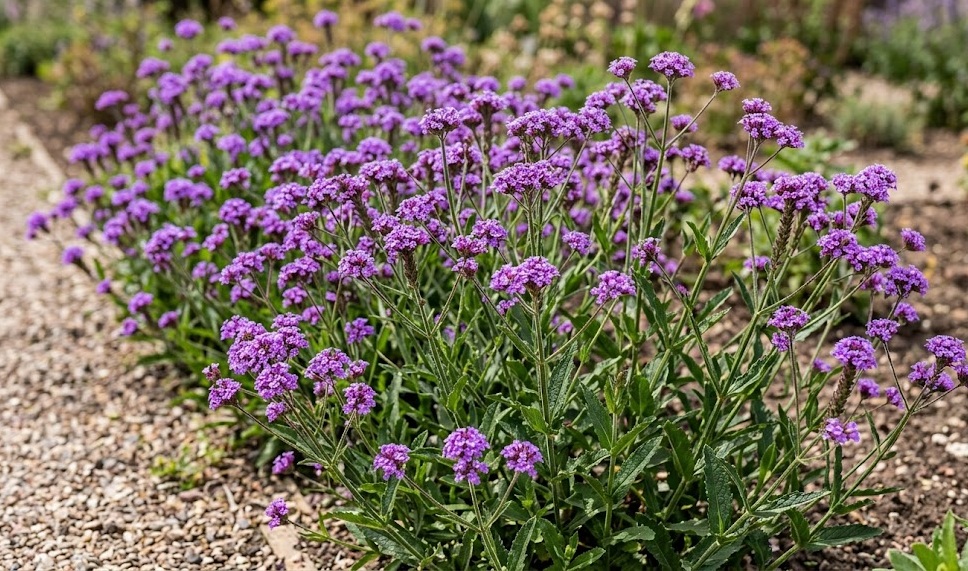

Starting your journey with purple verbena begins with a clear understanding of the best planting practices and propagation techniques. This hardy perennial is prized for its ability to colonize areas with its vibrant purple spikes and rugged foliage. Whether you are starting from seed or using vegetative methods, the initial steps are crucial for long-term success. A professional approach to planting ensures that your garden establishes a strong and healthy foundation.
Site selection is the first and most important decision you will make when adding this plant to your landscape. You need to identify a location that receives the maximum amount of sunlight available throughout the day. The soil must be well-drained, as the root system is particularly sensitive to standing water and saturated conditions. Choosing the right spot from the beginning saves you from having to move the plant later.
Preparation of the planting hole should involve more than just digging a space for the root ball. You should loosen the soil in a wide area around the hole to encourage the roots to spread easily. Mixing in a small amount of organic compost can provide the young plant with the nutrients it needs to start growing. This extra effort during the planting phase pays off with faster establishment and better vigor.
The timing of planting is also a key factor that determines how quickly the specimen takes hold. You should aim to plant in the spring after the danger of frost has passed and the soil has warmed up. This allows the plant an entire growing season to develop its root system before the winter dormancy. Professional results are often the result of working in harmony with the local climate and seasons.
Propagation through seeds
Growing this plant from seed is a cost-effective way to produce a large number of specimens for your garden. You should start the seeds indoors about eight to ten weeks before the last expected frost. Using a high-quality seed-starting mix ensures that the delicate roots have the right environment to develop. Consistency in temperature and moisture is vital during the early stages of germination.
More articles on this topic
Germination can be somewhat irregular, so you must be patient and maintain optimal conditions for several weeks. You will find that a light covering of soil is sufficient, as the seeds need some exposure to light to sprout. Keeping the trays in a warm, bright location will help speed up the process and result in healthier seedlings. Avoid overwatering the trays, as this can lead to damping off and the loss of your young plants.
Once the seedlings have developed a few sets of true leaves, they are ready to be transplanted into larger containers. You should handle them carefully to avoid damaging the stems or the developing root systems. Hardening off the plants by gradually exposing them to outdoor conditions is a necessary step before final planting. This process toughens the tissues and prepares them for the realities of the garden environment.
Direct sowing in the garden is also an option once the soil temperatures have stabilized in late spring. You should clear the area of weeds and rake the surface to create a fine tilth for the seeds. Scattering the seeds thinly and pressing them into the soil ensures good contact for germination. While this method requires less initial work, it does demand more attention to weeding and watering in the early weeks.
Vegetative propagation methods
Cuttings are an excellent way to create exact clones of your favorite plants with a high success rate. You should take softwood cuttings in the late spring or early summer when the plant is growing vigorously. Choosing healthy, non-flowering stems increases the chances of the cuttings developing roots quickly. This professional technique allows you to expand your collection without waiting for seeds to grow.
More articles on this topic
The preparation of the cutting involves removing the lower leaves and dipping the base in a rooting hormone. You should place the cuttings in a moist, sandy medium that provides excellent aeration for the new roots. Covering the containers with a clear plastic dome helps maintain the humidity levels needed to prevent wilting. You will see signs of new growth within a few weeks if the conditions are managed correctly.
Division is another effective method for propagating established clumps that have become too large for their space. You should perform this task in the early spring just as the new growth begins to emerge from the soil. Carefully lifting the plant and teasing the roots apart allows you to create several new individuals. This practice not only provides you with more plants but also rejuvenates the original specimen.
Root cuttings can also be used during the dormant season to generate new plants from the thick, fleshy roots. You should take sections of the root and place them horizontally in a tray of potting soil. Keeping the tray in a cool but frost-free environment will encourage the development of new shoots. This method is particularly useful for commercial-scale production or for saving a valued plant.
Establishing young plants
After the planting process is complete, the young specimens require regular attention to ensure they survive the transition. You should water them deeply but infrequently to encourage the roots to grow down into the soil. Monitoring the plants for any signs of wilting or stress helps you intervene before damage occurs. The first few weeks are the most critical period for any newly installed garden inhabitant.
Applying a light layer of mulch around the base of the new plants helps protect the roots from temperature fluctuations. You should be careful not to cover the crown of the plant, as this can lead to rot in young specimens. The mulch also helps retain the moisture that is so vital during the early stages of establishment. A professional gardener always considers the long-term benefits of proper mulching techniques.
Weed control is essential during the first season to prevent the young plants from being overwhelmed by competition. You should remove any competing vegetation by hand to avoid damaging the sensitive roots of the verbena. Maintaining a clean area around each plant allows it to receive all the available light and nutrients. This focused care helps the plant develop the strength it needs to become a dominant feature in the bed.
As the plant begins to grow, you might consider a light application of a balanced fertilizer to support its development. You will notice the stems becoming sturdier and the foliage more vibrant as the plant takes hold. Avoid heavy feeding, as you want to encourage a natural and sustainable growth rate. Successful establishment is the result of providing a stable and supportive environment for the young plant.
Long term planting strategies
Planning your garden layout with the mature size of the plant in mind prevents future overcrowding and health issues. You should research the expected spread of the foliage and leave enough space between individuals for proper air movement. This professional foresight ensures that the garden remains manageable and aesthetically pleasing for years to come. A well-spaced garden is a healthy garden that requires less intensive maintenance.
Integrating this species with other perennials creates a diverse and resilient landscape that thrives throughout the year. You can pair it with ornamental grasses or late-blooming daisies for a classic and professional look. The purple spikes provide a wonderful vertical element that contrasts beautifully with softer textures. Thinking in terms of plant communities helps you build a more sustainable and attractive outdoor space.
Periodic replacement of older plants ensures that the display remains vibrant and full of life. You might find that after four or five years, some individuals lose their vigor and produce fewer flowers. Having a plan for ongoing propagation allows you to fill these gaps with fresh, healthy stock. A professional landscape is a dynamic system that requires continuous observation and renewal.
Finally, observing how the plants interact with your specific local conditions provides invaluable insights for future planting. You might find that certain areas of your garden produce better results than others. Using this knowledge to adjust your planting strategy will lead to even greater success in the seasons to follow. Professional gardening is a constant process of learning, adapting, and growing alongside your plants.