
Preparing this biennial for the cold months is an essential part of the two-year cultivation cycle. Because the plant must survive a full winter as a vegetative rosette before it can flower, its cold-hardiness is a key asset. However, extreme conditions or poor soil drainage during the winter can pose significant risks to its survival. Professional overwintering techniques focus on protecting the crown and the root system from the damaging effects of frost and excess moisture.
The first step in winter preparation begins in late autumn as the temperatures start to drop. The plant naturally begins to slow its growth and toughen its tissues in response to the changing light and temperature. At this stage, it is helpful to clear away any fallen leaves or debris from the center of the rosette to prevent rot. A clean plant is much better equipped to handle the humid, cool conditions typical of a dormant season.
The honesty plant is generally very hardy and can withstand freezing temperatures without much difficulty. Its low-growing rosette form is an evolutionary strategy that keeps it protected near the warmth of the earth. However, in regions with exceptionally harsh winters, a light covering of evergreen boughs can provide extra insulation. This helps to break the wind and trap a thin layer of protective air around the foliage.
Soil moisture management is perhaps the most critical factor during the overwintering period. While the plant needs some moisture to stay alive, cold and waterlogged soil is a recipe for root rot. Ensuring the site has excellent drainage before the winter rains arrive is the best way to guarantee a healthy spring emergence. If the area is prone to standing water, consider creating a slight mound for the plants to sit upon.
Mulching for winter protection
Applying a layer of mulch in the autumn is a highly effective way to stabilize soil temperatures throughout the winter. A depth of five to eight centimeters of organic matter, such as shredded bark or compost, acts as a thermal blanket. This prevents the “heaving” of the soil that occurs during frequent freeze-thaw cycles, which can expose the roots. Be careful to keep the mulch a few centimeters away from the base of the plant to avoid trapping moisture against the stem.
More articles on this topic
The type of mulch used can make a difference in the health of the overwintering biennial. Straw or chopped leaves are excellent choices because they are lightweight and provide good insulation. These materials also allow for some air movement, which is important for preventing fungal issues during the damp months. As the mulch breaks down, it also adds valuable organic matter to the soil for the coming spring.
In very cold climates, a thicker layer of mulch may be necessary to protect the root zone from deep freezing. If a heavy snowfall occurs, it is actually beneficial to leave it in place as snow is a fantastic insulator. The snow protects the plants from the drying effects of cold winds and maintains a relatively constant temperature. Only remove snow if it becomes so heavy that it threatens to physically crush the plants.
Once the first signs of spring appear, the mulch should be gradually thinned out to allow the soil to warm up. This encourages the plant to break its dormancy and begin its second-year growth surge. Leaving too much mulch in place during the early spring can delay the plant’s development and harbor slugs. A well-timed mulch management strategy is a hallmark of a professional gardening routine.
Monitoring health during dormancy
Even during the winter, a professional gardener keeps a watchful eye on their plants whenever the weather allows. Checking the rosettes after a major storm can help you identify if any plants have been uprooted or buried by debris. Simply firming a plant back into the soil or clearing away heavy mud can save an individual from certain death. These small interventions can make a big difference in the final count of flowering plants in the spring.
More articles on this topic
Keep an eye out for signs of winter desiccation, which occurs when the ground is frozen but the sun or wind dries out the leaves. If the foliage looks particularly brown or shriveled, the plant may be struggling to take up enough water. While you cannot water frozen ground, ensuring the plants are well-hydrated before the first hard freeze can prevent this. Windbreaks made of simple burlap can also reduce the drying effects of winter gales.
Pests can sometimes remain active during mild winter spells, especially in sheltered garden corners. Slugs and snails may continue to feed on the rosettes if the temperatures stay above freezing. A quick check under the leaves during a winter thaw can reveal these hidden visitors before they do significant damage. Maintaining a tidy garden area throughout the winter remains the best deterrent for these opportunistic pests.
The color of the leaves during winter can vary from deep green to a purplish-bronze hue. This color change is often a natural reaction to the cold and is not necessarily a cause for alarm. As long as the center of the rosette remains firm and green, the plant is likely healthy. Understanding these seasonal shifts in appearance helps the gardener avoid unnecessary worry during the dormant months.
Preparing for the spring awakening
As the days begin to lengthen and the soil starts to warm, the honesty plant will show signs of renewed life. This is the moment to perform a final winter cleanup by removing any dead or damaged outer leaves. Cleaning the area around the plants allows more sunlight to reach the crown and encourages rapid growth. It is also the ideal time to apply a light, balanced fertilizer to fuel the upcoming flowering stage.
If you are growing these biennials in containers, the overwintering process requires a slightly different approach. Pots are more susceptible to freezing all the way through, which can damage the roots of even the hardiest plants. Moving the containers to a sheltered spot, such as against a south-facing wall or into an unheated garage, provides a layer of safety. Wrapping the pots in bubble wrap or burlap can also help insulate the root balls against the cold.
For container-grown plants, checking for moisture is even more important during the winter. Pots can dry out quickly, especially if they are under a roof or in a windy location. Watering sparingly during a winter thaw ensures the roots stay hydrated without becoming waterlogged. The goal is to keep the soil just barely moist until the plant resumes active growth in the spring.
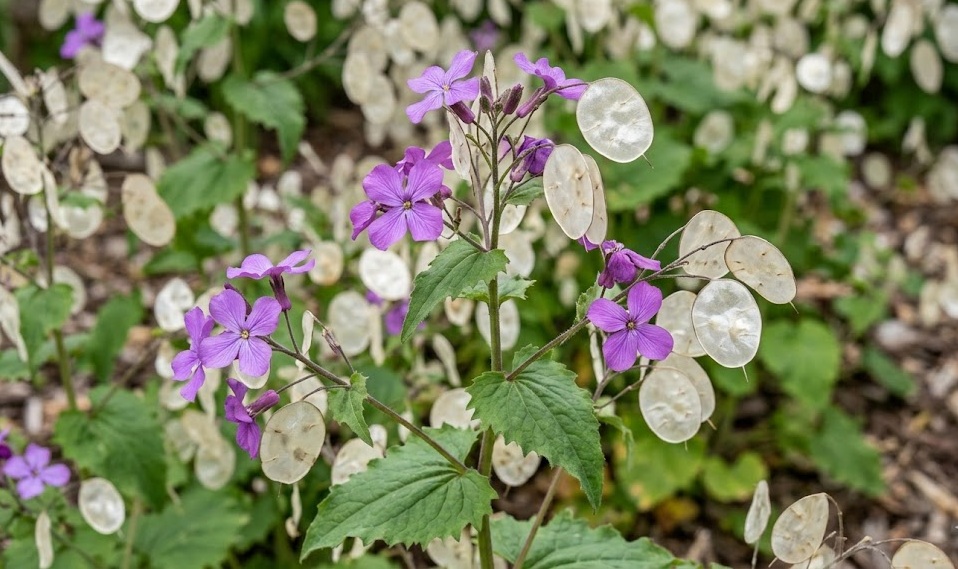
Successful overwintering is the bridge between the first year’s preparation and the second year’s reward. By respecting the plant’s needs during its quiet phase, you ensure a spectacular display of silver pods in the summer. A little extra care in the autumn and winter pays off with a garden full of vibrant health and beauty. Professional gardening is often about what you do when the plants are not in bloom.