
Determining the perfect balance of light and shadow is one of the most important factors in the successful cultivation of columbine. These plants have a specialized evolutionary background that dictates their preference for specific light intensities throughout the day. While they are often categorized as shade-loving plants, the reality is more nuanced and depends heavily on your local climate and the specific variety you are growing. Mastering this aspect of their care ensures that you get the most vibrant colors and the sturdiest growth from your garden specimens.
Finding the ideal light exposure
In their natural habitats, columbines are often found in woodland clearings, mountain meadows, or along the edges of forests. This suggests a preference for “dappled” sunlight, where the intensity is softened by the canopy of overhead trees. In the garden, this translates to a location that receives bright, indirect light or morning sun followed by afternoon shade. This specific exposure protects the delicate foliage and flowers from the scorching rays of the mid-day sun.
The intensity of the sun varies significantly by latitude and altitude, which should influence your planting decisions. In cooler northern climates, columbines can often tolerate much more direct sun than they can in the hot, humid southern regions. If you live in an area with intense summer heat, providing deep afternoon shade is absolutely essential to prevent the foliage from wilting and burning. Conversely, in very cool regions, a sunnier spot may be necessary to provide the warmth needed for good flower production.
When a columbine receives too much shade, it will often become “leggy,” meaning the stems grow unusually long and weak as they reach for the light. This can lead to plants that flop over easily and produce fewer, smaller flowers that lack their typical color intensity. If you notice your plants struggling to hold themselves up, it may be a sign that they need a bit more light. Moving them to a slightly brighter location or thinning out overhead branches can often solve this problem.
On the other hand, too much direct sun can lead to a quick decline in the plant’s aesthetic appeal after the spring bloom. The leaves may develop dry, brown edges, and the overall vigor of the plant will suffer as it struggles to stay hydrated. If you must plant in a sunny location, be prepared to provide significantly more water and a thick layer of mulch to keep the roots cool. Choosing a site with a northern or eastern exposure is usually the safest bet for most garden settings.
More articles on this topic
Seasonal shifts in light and growth
The light requirements of these perennials are not static and change as the seasons move from early spring to late autumn. In the early spring, before the deciduous trees have fully leafed out, columbines benefit from the increased light levels on the forest floor. This burst of early season sun provides the energy needed for the rapid development of foliage and flower buds. This natural timing is one of the reasons they thrive so well under the canopy of larger trees.
As the summer progresses and the tree canopy thickens, the resulting shade provides a welcome relief from the increasing heat. This shift in light intensity helps to preserve the foliage for as long as possible after the flowers have faded. Without this natural cooling effect, many columbines would enter a premature dormancy or look very ragged by mid-July. Understanding this seasonal interplay allows you to choose companion plants that mimic this natural shading process.
The angle of the sun also changes throughout the year, which can alter the light levels in specific parts of your garden. A spot that is perfectly shaded in May might be in full sun by August, or vice versa. It is worth observing your garden at different times of the year to ensure that your columbines are consistently getting the light they need. If you notice a site is becoming too sunny as the season progresses, you can use temporary shade cloth to protect your plants.
Finally, the light levels in autumn and winter play a role in the plant’s entry into and exit from dormancy. While the dormant crowns do not need light, the surrounding environment should still be considered for the following year. Ensuring that the site doesn’t become too dark or damp during the winter is important for preventing rot. As the light levels begin to increase in late winter, the soil will start to warm up, signaling the plant that it is time to wake up and start the cycle again.
More articles on this topic
Light and flower color intensity
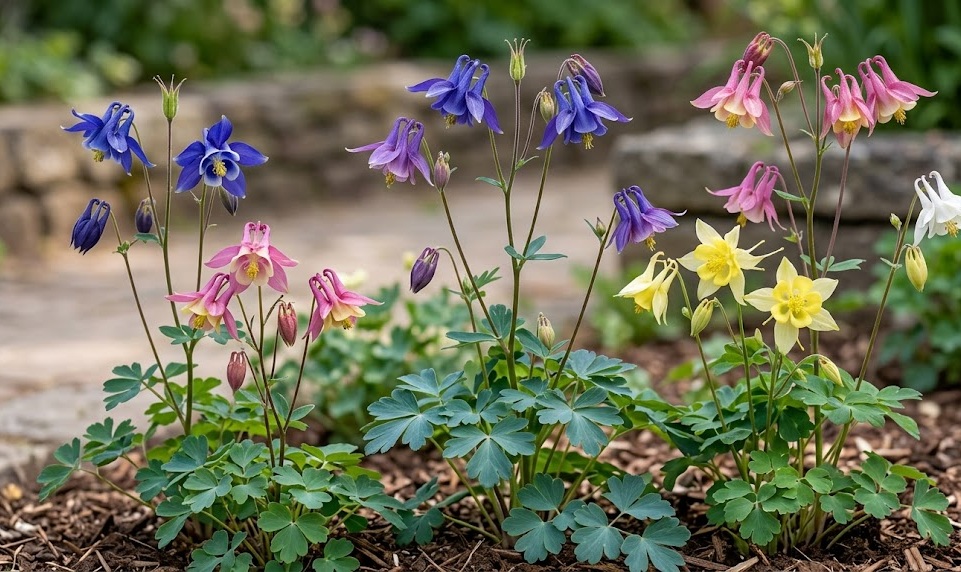
One of the most fascinating aspects of columbine physiology is how light intensity affects the pigmentation of the flowers. Generally, plants grown in slightly more light will produce flowers with deeper and more vibrant colors than those grown in deep shade. The UV rays in sunlight play a role in the synthesis of anthocyanins, the pigments responsible for red, purple, and blue hues. However, there is a fine line between enough light for color and too much light that causes the colors to fade or “bleach.”
Many gardeners find that the most exquisite color displays occur when the plants receive bright morning sun and are shaded by midday. This allows the pigments to develop fully without being subjected to the high-energy light that can break them down. If you are growing varieties with pale or pastel colors, they are particularly sensitive to bleaching and should be given extra protection from direct sun. Observing how different colors react in your garden will help you fine-tune their placement for the best visual impact.
The duration of the bloom can also be influenced by the light levels in the garden. Plants in cooler, shadier spots often have flowers that last significantly longer than those in warm, sunny locations. The heat from the sun can accelerate the aging process of the delicate petals, causing them to drop sooner. If you want to enjoy your columbines for as long as possible, a slightly shadier site is almost always the better choice.
In conclusion, mastering the light requirements of columbine is about finding the “sweet spot” between enough energy for growth and protection from stress. By observing your garden’s unique light patterns and understanding the plant’s natural history, you can create a perfect environment. These elegant perennials will reward your attention to detail with a spectacular and long-lasting display of color. Light management is truly an art form that elevates a simple garden to a professional horticultural display.