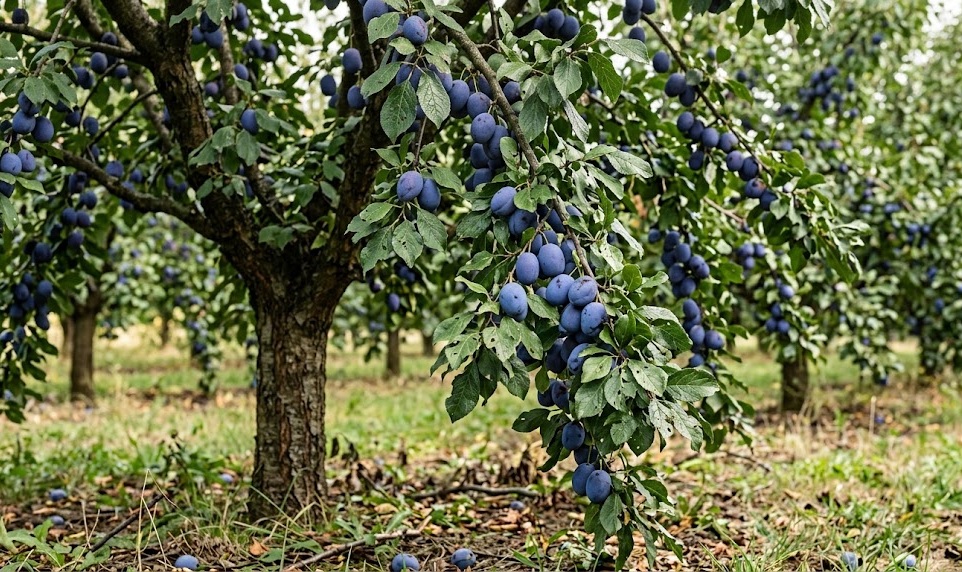

Protecting plum trees from the various diseases and pests that can affect them is a central part of orchard management. From fungal infections that rot the fruit to insects that bore into the wood, the threats are numerous and varied. An integrated approach that combines prevention, observation, and targeted intervention is the most effective strategy for maintaining a healthy harvest. This article outlines the most common challenges faced by plum growers and how to manage them professionally.
Common fungal diseases and their management
Brown rot is one of the most widespread and destructive fungal diseases affecting plum trees worldwide. It appears as brown spots on the fruit that rapidly expand until the entire plum is covered in a fuzzy gray mold. This fungus can also infect the blossoms, causing them to wilt and turn brown prematurely. To manage brown rot, it is essential to remove any infected fruit from the tree and the ground, as these “mummies” harbor spores for the following year.
Black knot is another serious fungal issue that manifests as rough, black swellings on the branches and twigs. If left untreated, these knots can eventually girdle the branches, cutting off the supply of water and nutrients and leading to dieback. Pruning out the infected wood is the only effective way to control black knot, and it should be done during the dormant season. Make sure to cut several inches below the visible knot to ensure all the fungal tissue is removed from the tree.
Silver leaf is a fungal infection that causes the leaves to develop a characteristic silvery sheen, eventually leading to the death of the branch. The fungus enters through wounds in the bark, so it is vital to avoid pruning plum trees during damp weather when spores are most active. Many professional growers prefer to prune plums in the mid-summer when the air is dry to minimize the risk of infection. If silver leaf is detected, the affected branches should be removed and destroyed immediately to prevent the spread.
Rust is a fungal disease that appears as small yellow or orange spots on the upper surface of the leaves, with corresponding dusty patches underneath. While it rarely kills the tree, a severe infection can cause premature leaf drop and weaken the plant over time. Maintaining good air circulation within the canopy through proper pruning is a key preventative measure against rust. In regions where rust is a recurring problem, applying a preventative fungicide during the spring can help keep the infection under control.
More articles on this topic
Viral and bacterial threats to plums
Plum pox virus, also known as Sharka, is a devastating viral disease that affects the fruit quality and overall health of the tree. It often causes chlorotic rings or spots on the leaves and can lead to misshapen fruit with poor flavor. There is no cure for plum pox, so the only management strategy is to remove and destroy infected trees to prevent the virus from spreading via aphids. Buying certified virus-free nursery stock is the most important step in preventing this disease in your orchard.
Bacterial canker is a serious condition caused by bacteria that enter the tree through wounds or natural openings. It results in sunken, darkened areas on the bark that often ooze a thick, amber-colored gum. In severe cases, the canker can girdle the trunk, leading to the death of the entire tree above the infection site. Pruning during the summer and applying copper-based sprays in the autumn can help reduce the bacterial population and protect the tree from new infections.
Crown gall is a bacterial disease that causes large, woody swellings at the base of the trunk or on the roots. These galls interfere with the movement of water and nutrients, leading to stunted growth and reduced fruit production. The bacteria live in the soil and enter through wounds made during planting or cultivation. To prevent crown gall, avoid damaging the base of the tree with lawnmowers or weed trimmers and ensure that your planting stock is healthy.
Leaf spot and bacterial blast are other bacterial issues that can cause small holes in the leaves or the sudden death of blossoms. These problems are often exacerbated by cool, wet spring weather which allows the bacteria to multiply rapidly. Maintaining tree vigor through proper nutrition and watering helps the plant resist these minor bacterial infections. Copper sprays are often used as a preventative measure during the dormant season to lower the overall bacterial pressure in the orchard.
More articles on this topic
Major insect pests of the plum orchard
The plum curculio is a small beetle that is one of the most significant pests for plum growers in many regions. The female beetle cuts a crescent-shaped slit in the developing fruit to lay her eggs, which causes the plum to become misshapen or drop prematurely. Once the larvae hatch, they tunnel into the fruit, making it unmarketable and prone to rot. Managing curculio involves monitoring for the beetles in early spring and using organic or chemical controls when they are most active.
Aphids are small, soft-bodied insects that cluster on the underside of leaves and suck the sap from the tree. A heavy infestation can cause the leaves to curl and become sticky with honeydew, which in turn attracts sooty mold. While aphids rarely kill a mature tree, they can transmit viral diseases and weaken young saplings. Encouraging natural predators like ladybugs and lacewings is an effective and environmentally friendly way to keep aphid populations in check.
Scale insects are small, stationary pests that look like tiny bumps on the bark of the branches and trunk. They feed on the tree’s sap and can cause significant weakening or dieback if their numbers become large. Because they are protected by a hard outer shell, they can be difficult to control with standard contact sprays. Applying a dormant oil spray in the late winter is the most effective way to suffocate the scale and reduce their population before the growing season begins.
Mites, such as the European red mite, can become a problem during hot, dry weather, causing the leaves to take on a bronzed or dusty appearance. These tiny pests feed on the chlorophyll in the leaves, reducing the tree’s ability to produce energy through photosynthesis. Keeping the trees well-watered during droughts helps them withstand mite attacks more effectively. If necessary, a strong spray of water from a hose can often knock the mites off the leaves and reduce their numbers without using chemicals.
Integrated pest management strategies
Integrated Pest Management (IPM) is a holistic approach that focuses on long-term prevention and uses multiple strategies to manage pests and diseases. The first step in IPM is regular monitoring to identify problems before they become severe enough to cause significant damage. This involves walking through the orchard frequently and looking for early signs of trouble, such as egg masses or unusual leaf patterns. By catching a problem early, you can often use much simpler and less toxic interventions.
Cultural controls are the foundation of IPM and include practices like choosing resistant varieties and maintaining good orchard hygiene. Removing fallen fruit and leaves at the end of the season eliminates the overwintering sites for many pests and pathogens. Proper pruning to open up the canopy improves light penetration and air movement, which creates a less favorable environment for fungi. A healthy, well-nourished tree is naturally more resistant to most challenges than one that is stressed or malnourished.
Biological controls involve the use of natural enemies to manage pest populations in the orchard. Providing habitat for birds, predatory insects, and spiders can help create a balanced ecosystem where no single pest species can dominate. You can plant diverse flowering species near your plum trees to attract beneficial insects that will feed on aphids and mites. Using broad-spectrum insecticides should be a last resort, as these products often kill the beneficial insects along with the pests.
Chemical controls should be used judiciously and only when other methods have failed to keep pest or disease levels below an acceptable threshold. When choosing a product, look for the most targeted and least persistent option available for the specific problem you are facing. Always follow the label instructions carefully to ensure the safety of the environment, the applicator, and the final consumer of the fruit. Timing the application correctly is essential for maximum effectiveness and minimal impact on non-target species.
Enhancing tree resilience and health
Building the overall resilience of your plum trees is the best long-term defense against any pest or disease. This begins with the selection of high-quality, disease-resistant varieties that are well-suited to your specific local climate. Trees that are in their ideal environment are much less likely to become stressed and vulnerable to attack. Understanding the history of pests and diseases in your area can help you make informed decisions about which varieties to plant.
Maintaining consistent moisture and nutrient levels throughout the year prevents the physiological stresses that often invite trouble. A tree that is struggling for water is much more attractive to wood-boring insects, for example. Similarly, over-fertilizing with nitrogen can result in soft, succulent growth that is highly susceptible to aphids and certain fungal infections. Balance is the key to creating a robust tree that can handle the occasional challenge without suffering long-term damage.
Wound management is another important aspect of tree health, as any break in the bark is a potential entry point for pathogens. Use clean, sharp tools for all pruning work and avoid making unnecessary cuts that could weaken the tree’s defenses. Some growers use pruning sealants on large wounds, although many experts believe that a clean, natural healing process is often better. Protecting the trunk from physical damage by equipment or animals is also a vital part of maintaining the tree’s integrity.
Finally, staying educated about new and emerging threats in your region is a responsibility for any dedicated orchardist. Climate change and global trade can bring new pests and diseases to areas where they were previously unknown. Participating in local agricultural extensions or gardening clubs can keep you informed about what to watch for in your own backyard. Knowledge is the most powerful tool you have for protecting your plum trees and ensuring their productivity for years to come.