
Understanding the relationship between sunlight and plant physiology is essential for achieving the most spectacular floral displays. This species is a true sun-lover that has evolved to capture maximum solar energy in open, unshaded environments. The intensity and duration of light it receives directly impact everything from stem strength to the richness of the nectar. Without adequate illumination, the plant will struggle to maintain its structural integrity and reproductive success.
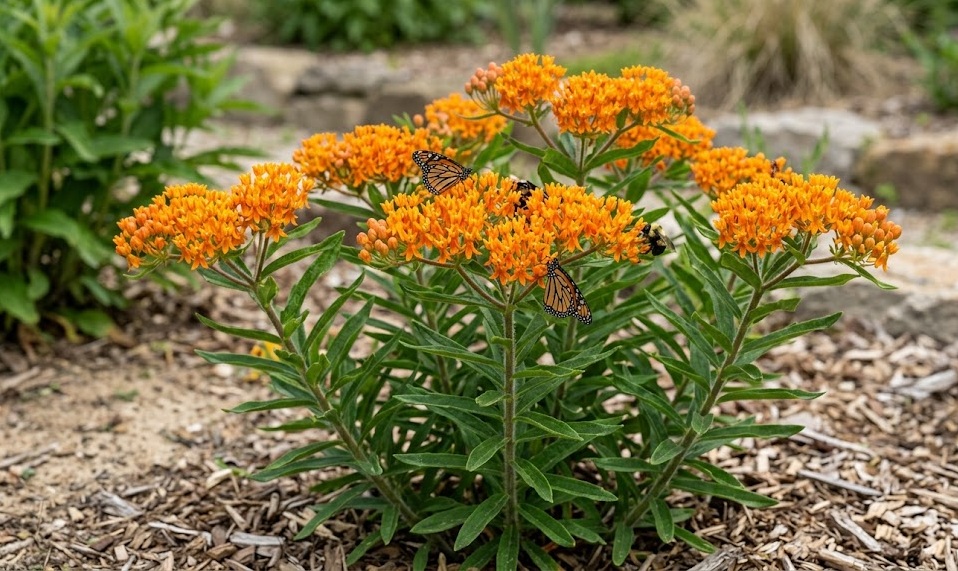
Full sun is generally defined as receiving at least six to eight hours of direct, unobstructed sunlight every day. In the garden, this means placing the plant in a location where it is not shaded by buildings, fences, or larger shrubs. When the plant receives its full quota of light, the stems grow thick and woody, providing a solid foundation for the heavy flower clusters. Additionally, high light levels stimulate the production of the pigments that give the flowers their iconic orange glow.
Photosynthesis is the engine that drives the growth and the long-term storage of energy in the tuberous roots. The broad, lance-shaped leaves are designed to maximize the surface area available for light absorption throughout the day. When light is abundant, the plant can produce a surplus of sugars that are then channeled into nectar production. This makes the flowers more attractive to pollinators, ensuring a higher rate of successful seed set for the next generation.
A lack of sufficient light leads to a condition known as etiolation, where the stems become long, thin, and pale. These weakened stems are often unable to support their own weight, leading to a sprawling or floppy appearance in the garden. Furthermore, plants grown in insufficient light are more susceptible to foliar diseases because the leaves stay damp for longer periods. If you notice your plants leaning heavily toward a light source, it is a clear indication that they need a more open location.
Maximizing solar exposure in the landscape
Strategic placement within the garden layout can help you make the most of the available light throughout the seasons. Consider the path of the sun during the peak summer months to ensure no temporary shadows fall on the planting area. South-facing slopes or the centers of large, open beds are often the most successful spots for these sun-hungry perennials. Avoiding the north side of tall structures is a basic rule for ensuring the long-term health of the species.
More articles on this topic
Partial shade is sometimes tolerated, but it usually results in a compromise in the overall quality of the plant’s performance. You might notice fewer flower heads and a significantly shorter blooming period if the light is filtered through trees. While the foliage may remain green and healthy-looking, the “wow factor” of the vibrant orange flowers will be diminished. If your garden is naturally shady, you might need to look for a different species that is better adapted to lower light levels.
Reflected light from light-colored walls or pavement can sometimes provide an extra boost in marginal lighting situations. However, this also increases the ambient temperature around the plant, which can lead to faster transpiration and moisture loss. Monitoring the soil moisture becomes even more important when the plant is exposed to these high-intensity, high-heat environments. Balancing the need for light with the need for a stable root environment is a key part of expert garden management.
Light also plays a role in the timing of the plant’s emergence and the onset of its winter dormancy. The changing photoperiod informs the plant when it is time to start pushing new growth or when to begin retreating into the roots. By providing a site with consistent and reliable light, you help the plant stay in sync with the natural seasonal cycles. This harmony between the environment and the plant’s internal clock is the secret to a long-lived and beautiful garden specimen.