
Preparing these hardy perennials for the winter months is a critical part of ensuring they return with vigor and beauty in the following spring. While they are naturally adapted to cold climates, the specific conditions of a garden environment can sometimes present challenges that do not exist in their native alpine habitats. A professional overwintering strategy involves a combination of protective measures and careful timing to manage the transition into dormancy. By understanding the plant’s winter biology, the gardener can provide the best possible protection against the extremes of the season.
Dormancy preparation and timing
As the days grow shorter and the temperatures begin to drop in late autumn, the drumstick primula naturally starts to slow its metabolic processes. The large summer leaves will gradually yellow and die back, which is a normal part of the plant’s preparation for its winter rest. A professional approach involves allowing this process to happen at its own pace rather than forcing the plant into dormancy through early pruning or withholding water. Maintaining a baseline level of soil moisture during the autumn is important, as the plant still needs to hydrate its tissues before the ground freezes.
Once the foliage has completely withered, it can be gently cleared away to prevent any potential fungal issues from developing under the winter snow or mulch. It is important to leave the central crown undisturbed, as this is where the next year’s flower buds are already beginning to form deep inside. Some gardeners prefer to leave a small amount of the old foliage as a natural mulch, but a professional cleaning usually results in a healthier start in the spring. This transition period is also an ideal time to check the label and placement of each plant in the garden bed.
The timing of the final winter preparations should ideally coincide with the first hard freezes when the ground begins to stay cold. Applying winter protection too early can trap warmth and moisture around the crown, which might encourage rot or prevent the plant from hardening off properly. Conversely, waiting too long can expose the roots to sudden, extreme temperature drops that they are not yet prepared to handle. Observing the local weather patterns and the behavior of other perennials in the garden provides the best cues for when to begin the final overwintering tasks.
During this pre-dormancy phase, it is vital to avoid any late-season fertilization that might stimulate new, tender growth. Such growth has no chance of maturing before the frost and will only waste the plant’s stored energy while providing an entry point for disease. The goal of professional autumn care is to encourage the plant to move all its resources into the root system and the central crown. By supporting the natural rhythm of the seasons, you ensure that the primula has the best possible chance of surviving even the harshest winter.
More articles on this topic
Mulching and protection strategies
Providing a protective layer over the root zone is the most effective way to buffer the plant against the extreme temperature swings that characterize many temperate winters. A thick layer of organic mulch, such as shredded bark, evergreen boughs, or pine needles, acts as insulation for the ground. This professional practice prevents the cycle of freezing and thawing that can cause the soil to expand and contract, potentially heaving the plants out of the earth. The mulch should be applied several centimeters thick but kept slightly away from the direct center of the crown to allow for air exchange.
In areas where winter winds are particularly harsh or snow cover is inconsistent, extra protection may be needed to prevent the crowns from drying out. Using evergreen branches laid over the plants can trap falling snow, which is one of nature’s best insulators for alpine species. This method provides protection while still allowing the plant to breathe and preventing the buildup of excessive moisture that can lead to rot. Professional gardeners often use these natural materials because they are easy to remove in the spring and can be composted afterward.
For primulas grown in containers, the overwintering strategy must be more robust since the roots are far more exposed to the cold than those in the ground. Moving the pots to a sheltered location, such as against a south-facing wall or into an unheated garage, can provide the necessary buffer. Some professionals choose to “heel in” the pots by burying them in a pile of mulch or directly in a vacant garden bed for the duration of the winter. This technique protects the sides of the container and keeps the root temperature much more stable throughout the coldest months.
If you are expecting an exceptionally cold snap without the benefit of snow cover, a temporary layer of horticultural fleece can be used to provide an extra few degrees of warmth. This should be removed as soon as the extreme cold passes to prevent the plants from waking up too early during a mid-winter thaw. Consistency in monitoring the condition of the mulch and the placement of the protection is the hallmark of a professional approach. By being proactive, you can ensure that the delicate flower buds tucked inside the crown remain safe and ready for the spring.
More articles on this topic
Indoor overwintering for containers
While drumstick primulas are very hardy, some gardeners prefer to bring their container-grown specimens into a controlled environment for the winter. This is especially common in regions where the winter involves a lot of rain and fluctuating temperatures rather than a steady, cold freeze. A cool, bright basement or an unheated sunroom that stays above freezing but below ten degrees Celsius is the ideal professional setting. In this environment, the plant can remain dormant without the risk of the soil becoming a solid block of ice for months at a time.
When keeping primulas indoors, it is essential to reduce the watering significantly while ensuring the soil never becomes completely bone-dry. The plant’s water needs are minimal during dormancy, but the dry air of an indoor space can still sap moisture from the roots over time. Checking the pots once a week and providing a small amount of water if the soil feels dusty is usually sufficient for professional maintenance. Avoid the temptation to feed the plant or move it into a warm room, as this will trigger premature growth that will be weak and sickly.
Good air circulation is just as important indoors as it is in the garden to prevent the development of mold or mildew on the dormant crowns. If the air is very stagnant, a small fan kept on a low setting can help keep the environment healthy for the plants. Professional indoor care also involves keeping an eye out for common indoor pests like fungus gnats or spider mites that might be attracted to the sheltered pots. By maintaining a clean and cool environment, you can keep your container primulas in perfect condition until it is time to move them back outside.
As the late winter approaches and the days begin to lengthen, the plants will naturally start to show signs of waking up even in their indoor shelter. This is the signal to slowly increase the amount of light they receive and to provide slightly more frequent water as the new growth emerges. Gradually reintroducing the plants to the outdoor environment through a hardening-off process ensures they don’t experience shock from the sudden change in temperature or light. Professional indoor overwintering is a reliable way to protect special varieties or young plants that might not yet be strong enough for the full winter.
Early spring awakening
The transition from winter dormancy to active spring growth is one of the most exciting times in the garden, but it requires careful management. As the ground thaws, the first task is to gently remove the heavy winter mulch and any protective boughs to allow the sun to reach the soil. This must be done gradually, as exposing the tender new growth too quickly can lead to damage from late-season frosts or sudden bright sunlight. Professional gardeners often wait until the first green tips are visible before fully uncovering the crowns of their drumstick primulas.
Checking the plants for any signs of frost heaving is a critical part of the early spring routine, as mentioned in the general care sections. If a plant has been pushed up by the ice, gently pressing it back into the softened soil and adding a little extra compost around the base will help it re-establish its roots. This is also the time to apply the first light feeding of the year to support the rapid development of the flower stalks. A professional eye for these small details ensures that the plant makes a smooth and successful transition into its blooming phase.
If a sudden, severe frost is predicted after the plants have started growing, be prepared to provide temporary cover for one or two nights. A simple upturned bucket or a layer of light fabric can be enough to protect the emerging flower buds from being nipped by the cold. This extra effort is what separates a professional display from a mediocre one, as a single night of extreme cold can ruin the entire spring bloom. Once the danger of hard frost has passed, the covers can be permanently removed and the plants allowed to grow freely.
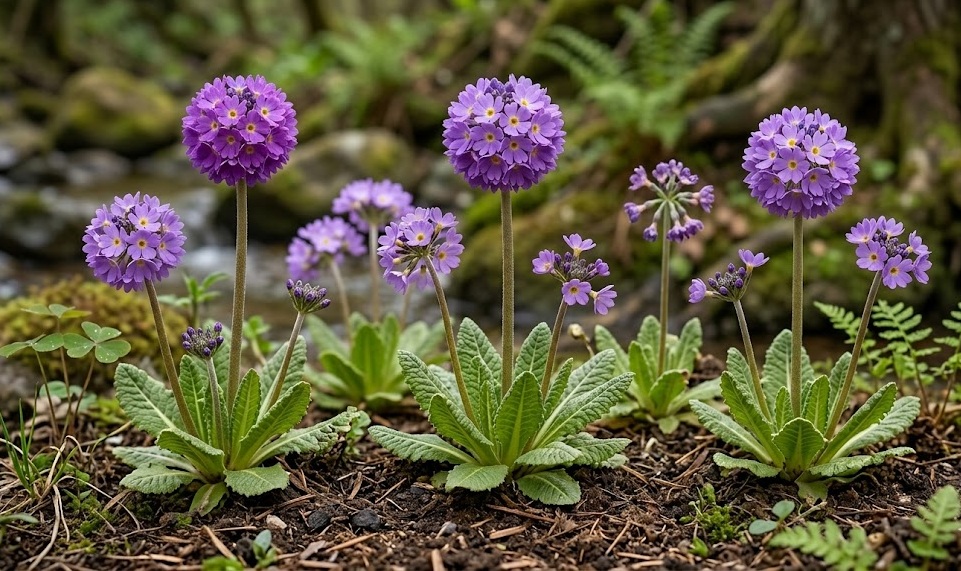
As the leaves expand and the distinctive ball-shaped flower heads begin to rise on their sturdy stems, the winter management phase is officially over. The focus now shifts back to maintaining moisture and ensuring the plants have everything they need for their spectacular floral performance. Reflecting on how well the overwintering strategies worked allows the gardener to make adjustments for the following year. Successful overwintering is a testament to the professional care and attention given to the drumstick primula throughout its entire annual cycle.