
Providing the correct amount of light is perhaps the most fundamental requirement for ensuring your exotic vines grow vigorously and flower profusely. These plants are true sun-lovers that rely on high levels of solar energy to fuel their rapid growth and the production of their intricate, energy-demanding blooms. You must carefully assess the light patterns in your garden to find the spot where they will receive the maximum amount of direct sunlight throughout the day. A vine grown in insufficient light will often become leggy and produce far fewer flowers than one in a prime, sunny location.
In most climates, these climbers perform best when they receive at least six to eight hours of direct, unobstructed sunlight every single day. The morning sun is particularly beneficial, as it helps dry any dew from the leaves and kickstarts the plant’s metabolic processes for the day ahead. You should look for a spot with a southern or western exposure that is not shaded by large trees or nearby buildings during the peak of the day. Observing the movement of shadows across your garden during different seasons will give you the professional insight needed to choose the perfect planting site.
While they crave the sun, there is a subtle balance to be found, especially in regions where the summer heat can be extremely intense. Some varieties may appreciate a small amount of light afternoon shade to prevent their leaves from scorching during the hottest part of the day. This is particularly true for young plants or those that have recently been moved from a more protected environment into the open garden. Finding that “sweet spot” where the plant gets plenty of light without being stressed by extreme heat is the hallmark of an expert gardener.
Light also plays a critical role in the timing of the flowering season and the overall health of the foliage. If you notice that your vine is growing lots of leaves but very few flower buds, it may be a sign that it is not receiving enough high-intensity light. Conversely, leaves that turn yellow or develop brown, burnt patches may be receiving too much direct sun without enough moisture to keep them cool. By paying close attention to these visual cues, you can make the necessary adjustments to ensure your plants are always in their ideal light environment.
Full sun benefits
The incredible rate of growth that these vines are known for is directly linked to the amount of full sun they receive during the spring and summer. With enough light, a healthy vine can grow several meters in a single season, quickly covering fences, trellises, or walls with lush greenery. You will find that the stems are thicker and the leaves are more robust when the plant is grown in a high-light environment. This structural strength is essential for supporting the weight of the many flowers and fruits that will eventually follow.
More articles on this topic
Flowering is a highly energy-intensive process that requires the plant to have a significant surplus of sugars produced through photosynthesis. Full sun ensures that the plant has the maximum possible energy budget to invest in creating its spectacular and complex floral displays. You will notice that the flowers are larger, more vibrant in color, and stay open longer when they are bathed in plenty of natural light. This visual reward is the primary reason why finding a sunny location is so important for every gardener who grows these plants.
In addition to promoting growth and flowers, full sun also helps the plant stay healthy by reducing the risk of many common fungal and bacterial diseases. Sunlight has a natural sanitizing effect and helps the foliage dry quickly after rain or morning mist, which prevents spores from germinating. A plant grown in a bright, airy location is much more resilient and requires significantly less intervention to stay in top condition. This natural defense system is one of the many hidden benefits of providing your vines with the light they truly crave.
Sunlight also influences the ripening and flavor of the fruit that many species produce after the flowers have faded. Without enough light, the fruits may stay small, sour, or drop from the vine before they have had a chance to fully mature. If you are growing these plants for their delicious harvest, maximizing their sun exposure is the key to a successful and rewarding crop. The sun essentially acts as the engine that drives every part of the plant’s life cycle, from the first sprout to the final fruit.
Shading needs
While the general rule is “the more sun, the better,” there are specific situations where providing a bit of shade can be highly beneficial for your plants. In very hot, arid climates, the midday sun can be so intense that it causes the plant to lose moisture faster than the roots can replace it. If you see the leaves wilting severely every afternoon even when the soil is moist, it may be a sign that some light shading is needed. Using a lattice screen or planting near a deciduous tree that provides dappled light can provide the perfect amount of relief.
More articles on this topic
Young seedlings and newly planted cuttings are particularly vulnerable to sun damage until they have established a strong and deep root system. You should always provide some temporary shade for these “infants” of the garden, gradually increasing their exposure as they show signs of strong new growth. A simple piece of shade cloth or even a strategically placed garden chair can act as a temporary shield during their first few weeks in the open ground. This careful transition prevents the “sunburn” that can permanently stunt or even kill a young and tender plant.
In regions with very high light intensity, the glossy leaves can sometimes develop a pale, washed-out appearance if they are exposed to too much direct radiation for too long. This is a form of light stress that can eventually lead to a decline in the plant’s overall vigor and attractiveness. Providing a location that gets full sun in the morning followed by some light, filtered shade in the late afternoon is often the ideal compromise. This professional approach to light management ensures the foliage stays a deep, healthy green all season long.
The roots of these vines also benefit from being kept cool and shaded, even while the tops are basking in the full glory of the sun. You can achieve this by using a thick layer of organic mulch or by planting low-growing groundcovers around the base of the climber. This “cool feet, hot head” approach mimics the natural forest edge environment where many of these species originated. Maintaining this balance between sun for the leaves and shade for the roots is a sophisticated technique used by successful horticulturists everywhere.
Light quality
The quality and duration of the light your plants receive are just as important as the total amount of sunshine they get each day. You should be aware that the angle of the sun changes significantly throughout the year, which can affect which parts of your garden are in the light. A spot that is perfectly sunny in mid-summer might be in deep shade by late autumn as the sun sinks lower in the sky. Keeping this seasonal shift in mind will help you plan your garden layout more effectively for long-term success.
Reflected light from light-colored walls or fences can also provide an extra boost of energy for plants growing in slightly less than ideal locations. You can use this to your advantage by planting your vines against a white-washed wall that will bounce the light back onto the foliage. This extra “second sun” can be particularly helpful in cooler or more northern climates where every bit of solar energy is precious. It also helps warm the stems and soil, which can speed up growth in the early part of the spring season.
Indoor light quality is a different challenge altogether, as window glass can filter out some of the most beneficial parts of the light spectrum. If you are keeping your vines as houseplants, you should place them in your brightest possible window, usually one that faces south or west. You may also need to supplement the natural light with specialized full-spectrum grow lights, especially during the dark and short days of winter. This ensures the plant stays healthy and does not become weak or “stretched” as it searches for more light indoors.
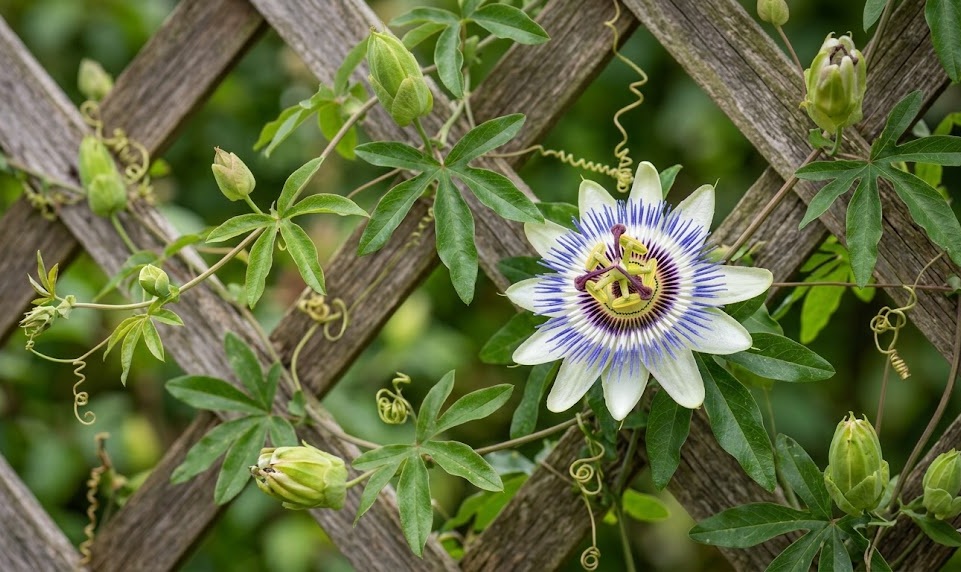
Finally, remember that the goal is to create a natural and harmonious environment where the plant can thrive according to its own biological needs. Observing how your vines interact with the light in your garden is one of the most rewarding aspects of being a dedicated plant lover. You will eventually develop an intuitive sense for whether a plant is happy with its light levels or if it needs a small adjustment. Your attention to these details is what will make your passionflower display a truly professional and spectacular success.