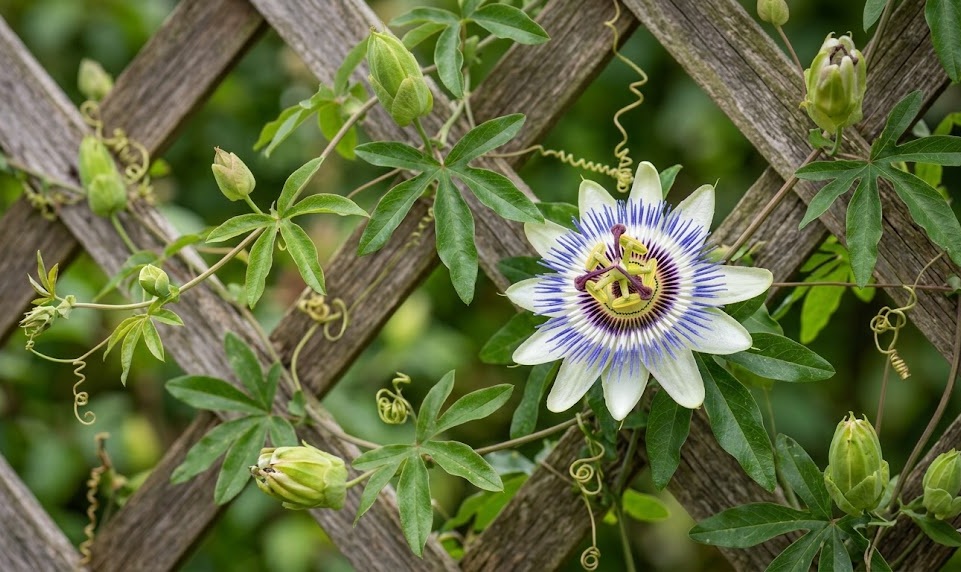

Mastering the balance of moisture and nutrients is one of the most important skills you can develop for growing these vigorous climbers. These plants have a high metabolism during the peak growing season and require a consistent supply of water to support their lush foliage. You must learn to read the signs your plant is giving you to avoid the common pitfalls of overwatering or underfeeding. A well-hydrated and properly nourished vine will not only grow faster but will also produce a much more impressive display of exotic blooms.
The goal of a good watering routine is to keep the soil consistently moist but never allowed to become waterlogged or swampy. You should aim for a deep watering that reaches the lower roots rather than a frequent, shallow sprinkling that only wets the surface. During the height of summer, you may need to water your plants every day, especially if they are growing in containers or sandy soil. Checking the soil moisture by hand is the most reliable way to know if it is time to bring out the hose.
Fertilizing is the second half of the equation for success, providing the raw materials the plant needs to build new tissue and flowers. You should choose a fertilizer that is specifically formulated for flowering plants, as these usually contain higher levels of phosphorus and potassium. A balanced approach ensures that the vine has everything it needs without being pushed into excessive, weak growth. Understanding the seasonal needs of the plant will help you apply the right nutrients at exactly the right time.
Applying water and fertilizer correctly also helps the plant build a natural resistance to the pests and diseases that can sometimes target them. A stressed plant that is struggling for water or nutrients is much more likely to fall victim to an infestation of aphids or mites. By maintaining a high level of health through proper care, you are creating a resilient specimen that can thrive for many years. Consistency is the secret ingredient that separates a struggling vine from a truly professional horticultural display.
Hydration basics
The amount of water your vine requires will change significantly depending on the weather, the soil type, and the age of the plant. You should pay close attention to the environmental conditions in your garden, as a windy day can dry out a plant much faster than a calm one. Mature plants with deep root systems can tolerate short periods of drought, but young plants need constant attention to survive. Developing a keen eye for the subtle changes in leaf tension will help you anticipate when the plant needs a drink.
More articles on this topic
When you water, try to apply the liquid directly to the base of the plant rather than spraying the foliage from above. This practice helps keep the leaves dry, which is a major factor in preventing the spread of fungal diseases like powdery mildew. Early morning is the best time for watering, as it allows any accidental moisture on the leaves to evaporate quickly in the sun. If you must water in the evening, be extra careful to avoid wetting the leaves to prevent rot or mold issues.
Mulching is an essential tool for managing soil moisture and reducing the amount of time you spend with a watering can. A thick layer of bark chips, straw, or compost will act as a blanket, preventing the sun from baking the moisture out of the earth. You will find that mulched plants stay much cooler and require significantly less water during the intense heat of mid-July. This simple addition to your garden bed can make a huge difference in the overall health and vigor of your vines.
Container-grown plants require a different approach to watering because they have a limited volume of soil to hold onto moisture. You will often find that pots dry out much faster than the open ground, sometimes requiring water twice a day during a heatwave. Always ensure your containers have plenty of drainage holes to allow excess water to escape freely. Using a high-quality potting mix with added water-retaining granules can help provide a more stable environment for container-bound specimens.
Humidity levels
While soil moisture is vital, the amount of moisture in the air also plays a critical role in the health of these tropical climbers. You should remember that many species originate from rainforest environments where the air is naturally heavy with water vapor. If the air in your garden is too dry, the plant may respond by dropping its flower buds or developing brown, crispy leaf edges. Creating a microclimate with higher humidity can be a challenge in some regions, but it is well worth the effort.
More articles on this topic
One of the easiest ways to increase local humidity is to group several plants together to create a small “jungle” effect. As the plants breathe, they release moisture through their leaves, naturally raising the humidity in the immediate area around them. You can also place large trays of water and pebbles near the base of the vines to encourage evaporation during the day. This simple technique can provide just enough extra moisture to keep the foliage looking lush and glossy even in a dry climate.
In very dry or inland areas, you might consider installing a simple misting system that can be turned on during the hottest part of the day. A fine spray of water in the air can lower the temperature and provide the humidity the plants crave without soaking the soil. Be careful not to use this method late in the day, as you want the plants to be dry before nightfall to avoid disease. Observing the reaction of your plants to increased humidity will help you fine-tune your approach over time.
Indoor plants or those kept in a greenhouse require even more attention to humidity levels, especially during the winter when heating systems can dry out the air. You should regularly mist the leaves with a hand sprayer or use a dedicated humidifier to maintain a healthy environment. Keeping the plants away from direct heat sources like radiators or vents is also a key factor in preventing moisture stress. A happy plant with the right humidity levels will show off its vibrant colors and intricate details with pride.
Fertilizer types
Choosing the right type of fertilizer can seem overwhelming with so many options available on the nursery shelves today. You should generally look for a balanced, slow-release organic fertilizer that will provide a steady stream of nutrients over several months. These products are often safer for the environment and help build a healthy soil structure while feeding your plants. Liquid fertilizers are also useful for giving a quick boost during the peak of the flowering season when the plant’s demands are at their highest.
Phosphorus and potassium are the two most important elements for encouraging a spectacular display of flowers and ensuring strong root development. You should avoid using fertilizers that are too high in nitrogen, as this will result in a massive amount of green leaves but very few blooms. Look for a product with an N-P-K ratio that favors the second and third numbers, especially as the summer progresses. This targeted approach to nutrition will help your vine focus its energy on the parts you enjoy the most.
Organic options like compost tea, seaweed extract, or well-rotted manure are excellent choices for the environmentally conscious gardener. These natural fertilizers not only provide nutrients but also introduce beneficial bacteria and fungi into the soil ecosystem. You will find that plants grown with organic methods often have a more natural growth habit and are less prone to sudden crashes. Building a long-term relationship with your soil is just as important as feeding the individual plants that grow in it.
Trace elements like iron, magnesium, and calcium are also necessary for maintaining the deep green color and structural integrity of the vine. If you notice the leaves becoming pale or developing yellow patches while the veins stay green, it could be a sign of a micro-nutrient deficiency. Using a fertilizer that includes a full range of these minor elements will ensure that your plant stays in top condition. A comprehensive feeding program is the mark of a truly professional approach to horticultural care.
Application timing
The timing of your fertilizer applications is just as important as the type of product you choose to use in your garden. You should begin your feeding program in the early spring as soon as you see the first signs of new growth emerging from the stems. This early boost provides the energy needed for the plant to quickly establish its canopy and prepare for the upcoming flowering season. A regular schedule of every four to six weeks during the spring and summer is usually sufficient for most varieties.
As the days begin to shorten in the late summer, you should gradually reduce the amount of fertilizer you provide to the plant. This slowing down of the feeding routine signals to the vine that it is time to stop producing soft new growth and start hardening off for winter. Continued heavy feeding into the autumn can result in tender shoots that will be easily killed by the first frost of the season. Being in tune with the natural seasons is a key part of successful long-term gardening.
Never apply fertilizer to a plant that is already suffering from drought stress, as this can cause severe damage to the roots. You should always water your vines thoroughly before and after applying any kind of concentrated fertilizer to ensure it is distributed evenly. This practice helps prevent “fertilizer burn,” which can manifest as brown patches on the leaves or stunted growth. A cautious and methodical approach to application will always yield the best results for your garden display.
During the dormant winter months, you should stop all fertilizing completely to allow the plant its necessary period of rest. The vine’s metabolism slows down significantly during this time, and it does not have the capacity to use extra nutrients. Adding fertilizer when the plant is not growing can lead to a buildup of salts in the soil that may become toxic over time. Respecting the plant’s need for a winter break is essential for ensuring a vigorous return in the following spring.
Nutrient balance
Achieving a perfect nutrient balance is a continuous process of observation and adjustment throughout the entire life of the vine. You should become familiar with the appearance of a healthy plant so that you can quickly spot when something is out of equilibrium. Over-fertilizing is just as harmful as under-feeding, often leading to a weak plant that is attractive to pests and more susceptible to disease. The goal is a steady, controlled growth that looks natural and fits into the overall design of your garden.
If you find that your vine is growing too aggressively and swamping nearby plants, you may need to cut back on the amount of nitrogen you are providing. Conversely, if the growth is slow and the leaves are small, a gentle increase in overall nutrition might be exactly what the plant needs. Every garden has a unique soil chemistry, and you may find that what works for a neighbor does not work perfectly for you. Experimenting with different products and methods will help you find the “sweet spot” for your specific environment.
Soil testing is a professional tool that can take the guesswork out of your fertilizing routine and save you time and money. By knowing exactly what nutrients are present in your soil, you can apply only what is needed and avoid creating an imbalance. Many agricultural extensions or private labs offer simple tests that provide a wealth of information about your garden’s health. This data-driven approach allows you to be more precise and effective in your role as a horticultural expert.
Ultimately, the health of your vine is a reflection of the care and attention you give to the soil and water it relies upon. A balanced approach to watering and fertilizing creates a solid foundation for a beautiful and productive garden feature. You will find that as you gain experience, the process becomes more intuitive and rewarding with every passing season. Your dedication to proper nutrition and hydration ensures that your vines will continue to be a source of pride and beauty for years to come.