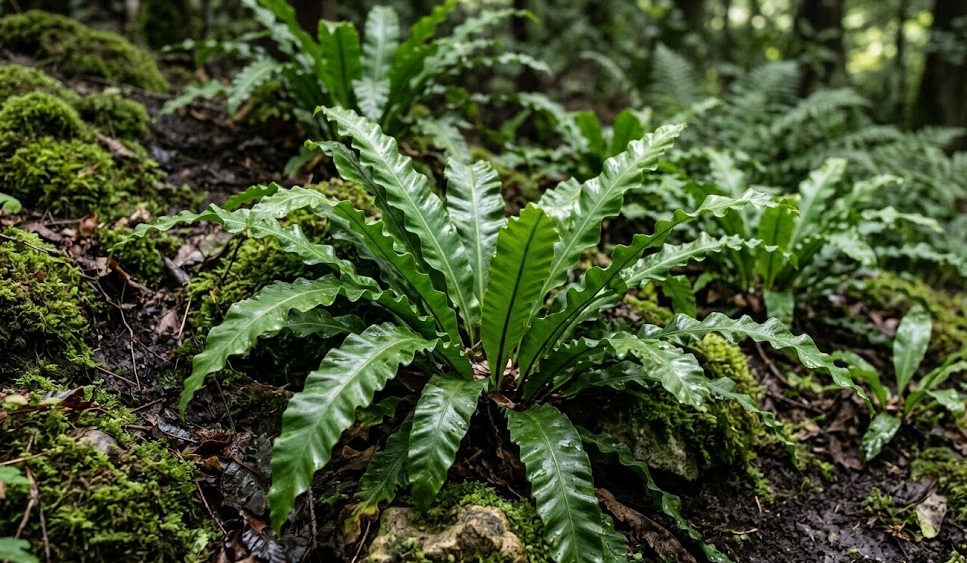

Overwintering the hart’s tongue fern is a relatively straightforward process because this species is naturally adapted to the temperate climates of the Northern Hemisphere. However, providing the right care during the coldest months is essential to ensure that the plant emerges in the spring with its vibrant foliage intact. You must understand how to balance the plant’s need for rest with the challenges of frost, wind, and fluctuating temperatures that winter brings. A little preparation in the autumn will go a long way in protecting your ferns and helping them thrive across the entire year.
Preparing for the first frost
As the days grow shorter and the temperatures begin to drop, you should start preparing your hart’s tongue ferns for the coming winter dormancy. The first step is to gradually reduce the frequency of watering, allowing the soil to stay slightly drier than you would during the peak of the growing season. This signal tells the plant that it is time to slow down its metabolism and prepare for a period of rest. You should also stop all fertilization by late summer to ensure that no soft, new growth is produced that would be easily damaged by the frost.
Cleaning up around the base of the plant is an important part of your autumn preparation routine to prevent diseases and eliminate pest hiding spots. You should remove any fallen leaves from nearby trees that might have collected in the center of the fern’s crown, as these can trap moisture and cause rot. However, do not remove the fern’s own old fronds yet, as they provide a natural layer of protection for the sensitive crown during the coldest months. A tidy but naturally protected plant is much more likely to survive a harsh winter without significant damage.
If you are growing your ferns in containers, you might want to consider moving them to a more sheltered location before the ground freezes solid. Placing them against a south-facing wall or under the eaves of a house can provide a few degrees of extra warmth and protection from freezing winds. You need to ensure that the pots still have good drainage and are not sitting in water, which can be particularly damaging when the temperatures drop below freezing. A stable, protected environment is the best gift you can give your container-grown ferns during the winter.
For those growing ferns in the ground, applying a thick layer of organic mulch around the base of the plant is a highly effective way to insulate the roots. You should use materials like leaf mold, bark chips, or even a layer of evergreen branches to provide a protective blanket for the soil. This mulch helps to moderate the temperature of the root zone, preventing the ground from freezing and thawing repeatedly, which can heave the plants out of the soil. Just be sure to keep the mulch away from the very center of the crown to allow for some air circulation.
More articles on this topic
Managing winter watering and humidity
Watering during the winter months is a delicate balance that requires you to pay close attention to the specific conditions of your local environment. You should only water when the soil feels quite dry to the touch, as the plant’s demand for hydration is at its lowest point of the year. Over-watering in cold weather is a common mistake that can lead to root rot and the death of the plant because evaporation rates are so low. Always check the moisture level deep in the pot or soil before deciding to add more water to your ferns.
If you are overwintering your hart’s tongue ferns indoors, the main challenge you will face is the very low humidity caused by central heating systems. You should try to keep the air around your plants as moist as possible by using a humidifier or placing the pots on a tray filled with wet pebbles. Grouping your plants together can also help create a small, humid microclimate that benefits all the species in the collection. Avoid placing your ferns near radiators or air vents, which can quickly dry out the foliage and cause the edges to turn brown.
Outdoor plants generally receive enough moisture from rain and snow, but you should still monitor them during prolonged periods of dry, freezing weather. If the ground is not frozen, a light watering on a relatively warm day can prevent the roots from becoming dangerously dehydrated. You should avoid watering when a hard freeze is expected immediately, as this can cause the soil to expand and damage the delicate root structures. A sensible and observant approach to winter watering will help your ferns maintain their integrity until the spring.
The condition of the foliage can give you important clues about whether your winter watering and humidity levels are correct for the plant’s needs. If the fronds look dull and limp, the plant may be thirsty, while brown, crispy edges are a clear sign that the air is too dry for its comfort. Because the hart’s tongue fern is evergreen, it is normal for the older leaves to look a little tired by the end of the winter, but the overall plant should still look healthy. Trusting your intuition and the visual signs from the plant will help you navigate the challenges of the winter season.
More articles on this topic
Protection from extreme cold and wind
While hart’s tongue ferns are hardy, extreme cold and biting winds can still cause significant damage to the evergreen foliage. You should consider using a protective covering like horticultural fleece or burlap if a particularly severe cold snap is predicted for your area. This temporary cover acts as an insulating layer that traps a small amount of heat from the soil and protects the leaves from the drying effects of the wind. Be sure to remove the covering as soon as the extreme weather has passed to allow for natural air circulation and light exposure.
Wind is often more damaging than the cold itself because it increases the rate of transpiration from the leaves at a time when the roots cannot easily replace the lost water. You should look for ways to provide natural windbreaks, such as planting near a wall or using other larger plants to provide a screen for your ferns. In a container garden, you can simply move your pots to a more sheltered corner where the wind is less likely to whip around the foliage. Protecting the physical integrity of the fronds ensures that the plant looks its best when the new growth starts in the spring.
Snow can actually be a very effective insulator for your garden plants, provided it is not so heavy that it physically breaks the fronds. You should generally leave a layer of snow on top of your ferns, as it helps to keep the temperature of the soil and the crown relatively stable. If the snow is particularly wet and heavy, you might want to gently brush some of it off to prevent the leaves from snapping under the weight. Embracing the natural protection offered by the weather is a great way to work with the seasons rather than against them.
The transition from winter to spring can be a dangerous time for ferns as the plants begin to wake up but late frosts are still a possibility. You should be prepared to provide extra protection for any new, soft crosiers that start to emerge if a sudden cold night is forecast. These young structures are much more sensitive to freezing temperatures than the mature, leathery leaves from the previous year. Staying vigilant during this “shoulder season” ensures that your fern’s first flush of growth is successful and undamaged.
Spring recovery and maintenance
As the days get longer and the temperatures begin to stay consistently above freezing, you will see the first signs of your hart’s tongue fern waking up from its winter rest. This is the perfect time to perform some gentle maintenance to help the plant transition into its active growing phase. You should carefully remove any old, damaged, or unsightly fronds from the previous year to make room for the new growth that is about to emerge. Use a sharp, clean pair of shears and cut the old leaves back as close to the base as possible without damaging the crown.
Once you have tidied up the plant, you can gradually begin to increase your watering frequency to match the rising temperatures and the plant’s increasing demand for hydration. This is also the ideal moment to apply a fresh layer of organic mulch around the base of the fern to suppress weeds and lock in moisture for the coming summer. You might also consider giving the plant its first light dose of a balanced liquid fertilizer to provide a nutritional boost for the new season. These simple tasks set the stage for a successful and vibrant year of growth.
If you have been overwintering your ferns indoors or in a greenhouse, you should begin the process of “hardening them off” before moving them back outside permanently. This involves gradually increasing their exposure to the outdoor environment over a period of one to two weeks. Start by placing them in a sheltered, shaded spot for a few hours each day and slowly increase the time they spend outside as the weather warms up. This careful transition prevents the plants from being shocked by the sudden change in temperature and light intensity.
Observing the emergence of the first new crosiers is one of the most exciting moments for any fern enthusiast after a long winter. You should take pride in the fact that your careful preparation and attention to detail have helped your hart’s tongue ferns survive the cold months in great condition. As the new fronds unfurl and the garden begins to come alive once more, you can look forward to another beautiful season with these ancient and resilient plants. Success in overwintering is a testament to your skill and dedication as a gardener.