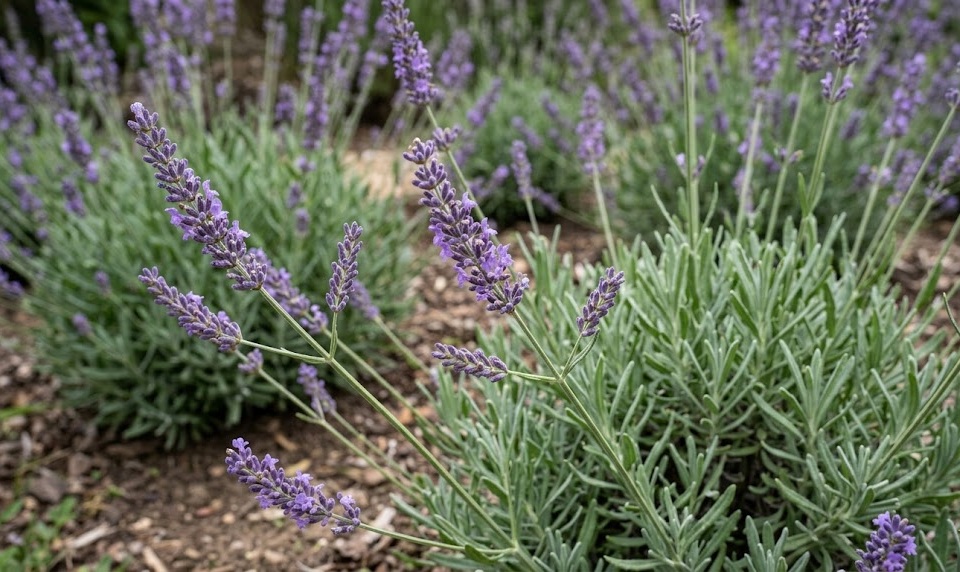

The success of english lavender is fundamentally tied to its access to sunlight, which serves as the primary engine for its growth and the production of aromatic oils. As a plant adapted to the intense light of the Mediterranean, it requires a level of exposure that many other garden plants would find overwhelming. Without sufficient light, the plant will become leggy, weak, and much less fragrant, ultimately leading to a shorter lifespan and poor ornamental value. Understanding how to optimize light exposure is the first step in creating a professional-quality lavender display.
Full sun is generally defined as at least six to eight hours of direct, unfiltered sunlight each day, particularly during the peak growing season. This intensity is necessary to trigger the complex chemical reactions that result in the characteristic purple flowers and the silver-grey foliage. The sunlight also helps regulate the moisture levels on the leaves and around the crown, providing a natural defense against the fungal diseases that thrive in the shade. When selecting a site for lavender, it is always better to prioritize the light over any other environmental factor, as it is the one thing the plant cannot do without.
In regions with shorter summers or more frequent cloud cover, the placement of the lavender becomes even more critical to maximize every available hour of sunshine. Using reflective surfaces, such as light-colored walls or pale gravel mulch, can help bounce extra light back into the lower parts of the shrub. This “secondary light” can be a significant boost for plants that might otherwise struggle with the lower light levels of a northern garden. It is also important to consider how the shadows cast by buildings and trees change throughout the year as the sun’s position in the sky shifts.
While lavender loves the sun, it is also important to consider the heat that often comes with it, especially in very southern climates. English lavender is more tolerant of humidity than some other varieties, but it can still suffer from heat stress if the air is stagnant and the sun is exceptionally intense. Providing good air circulation is the best way to help the plant manage the heat while still receiving the light it needs to thrive. By balancing light, heat, and airflow, a gardener can create an environment where the lavender feels truly at home.
Maximizing sunlight for oil production
The essential oils that give lavender its fragrance are produced in specialized glands on the surface of the leaves and flowers, and their concentration is directly linked to the amount of UV light the plant receives. Professional lavender growers often observe that plants grown in the sunniest locations produce a much more intense and complex scent than those in even slight shade. This is because the plant produces these oils partly as a defense mechanism against the drying effects of the sun and to attract pollinators. If the light is too low, the plant allocates its energy toward reaching for more sun rather than producing these expensive secondary metabolites.
More articles on this topic
To ensure that the entire plant receives enough light, it is important to maintain a compact and open habit through regular pruning. When the center of the shrub becomes too dense, the inner branches are shaded out and will eventually die, leading to a hollow and unattractive plant. By keeping the foliage thin enough for some light to penetrate to the interior, you encourage new growth to emerge from the deeper parts of the stems. This results in a much fuller and more productive plant that looks beautiful from all angles.
The orientation of the lavender rows can also impact how much light each individual plant receives throughout the day. In many commercial settings, rows are aligned in a north-south direction so that both sides of the plants are exposed to the sun as it moves across the sky. This prevents one side from being permanently shaded by the other, leading to more uniform growth and flower production. In a home garden, this might mean placing lavender in a spot where it is not overshadowed by taller perennials or shrubs during the middle of the day.
Seasonal changes in light duration and intensity serve as the primary signal for the lavender to begin its various life stages. The increasing day length in the spring triggers the start of new vegetative growth, while the peak light of the summer encourages the development of flower spikes. As the light levels drop in the autumn, the plant begins to slow down and prepare for dormancy, regardless of the temperature. By working with these natural light cycles, the gardener can predict the plant’s needs and adjust their care routine accordingly.
Managing partial shade and light challenges
In many gardens, finding a spot with “perfect” full sun can be a challenge, and gardeners often wonder if lavender can adapt to partial shade. While some varieties are more tolerant than others, most english lavender hybrids will begin to show signs of stress if they receive less than six hours of direct light. The most common response to shade is “etiolation,” where the stems become long, thin, and pale as the plant stretches toward the nearest light source. These weak stems are often unable to support the weight of the flowers and will flop over, creating a messy and unhealthy appearance.
More articles on this topic
If you must grow lavender in a less-than-ideal light situation, there are a few strategies you can use to help the plant cope. Pruning more frequently can help maintain a smaller, more manageable shape and prevent the stems from becoming too leggy. You can also try growing the lavender in containers that can be moved around the garden to follow the sun as it moves through the seasons. However, it is important to be realistic about the plant’s performance; a lavender in partial shade will likely have fewer flowers and a much shorter lifespan than one in full sun.
Shadows from nearby trees can be particularly problematic because they change so much between the summer and winter months. A spot that looks sunny in the early spring when the trees are bare might be in deep shade by mid-summer when the canopy is full. Before planting your lavender, it is a good idea to observe the light patterns in your garden throughout an entire day at different times of the year. This long-term observation will help you avoid the mistake of planting in a spot that will eventually become too dark for the lavender to survive.
Environmental factors like smoke, smog, or even a layer of dust on the leaves can reduce the amount of light that actually reaches the plant’s cells. In urban environments, it can be helpful to occasionally spray the lavender with a fine mist of water to clean the foliage and improve its ability to absorb sunlight. This is one of the few times when overhead watering is beneficial, provided it is done early in the day so the plant can dry quickly. Keeping the foliage clean ensures that the lavender can make the most of every ray of sunshine it receives.
Light intensity and structural integrity
The strength of the lavender stems is directly related to the intensity of the light they grow in, as sunlight encourages the development of sturdy, lignified tissue. In bright light, the internodes (the space between the leaves) are short, resulting in a dense and compact shrub that can withstand wind and rain. In lower light, these internodes lengthen, creating a more open and fragile structure that is easily damaged. This structural difference is one of the clearest indicators of whether a lavender plant is receiving the correct amount of light for its needs.
Reflected light can be a powerful tool for the lavender gardener, especially when dealing with the lower branches that are often shaded by the plant’s own canopy. Placing light-colored stones or a white gravel mulch around the base of the plant can significantly increase the amount of light that reaches the underside of the foliage. This technique not only improves the overall health of the plant but also helps keep the soil surface dry, further reducing the risk of disease. Many professional lavender farms use light-colored mulches specifically for this reason.
The color of the lavender leaves themselves is an adaptation to the high-light environment of the Mediterranean hillsides. The silvery-grey hue is caused by millions of tiny hairs that reflect a portion of the incoming sunlight, protecting the leaf from burning and reducing moisture loss. In lower light, the plant may produce less of this protective coating and appear more green, which is its way of trying to capture as much of the available light as possible. Observing the shift in leaf color can give you a real-time update on how the plant is responding to its light environment.
Ultimately, the light requirements of english lavender are a non-negotiable part of its biological identity. You can amend the soil, adjust the water, and provide the best fertilizer in the world, but if the plant doesn’t have enough light, it will never reach its full potential. By prioritizing sunlight in your garden planning, you are providing the single most important element for a healthy, fragrant, and long-lived lavender. The reward for this focus is a plant that literally glows with health in the heat of a summer afternoon.

The relationship between light intensity and the production of aromatic oils is something we see in almost every trial with English lavender. In lower light conditions, the plant produces significantly fewer essential oils, which results in a much weaker fragrance. This not only affects the aesthetic appeal of the plant but also its natural resistance to pests and diseases. If you want that classic lavender scent, you simply must provide full sun for at least six to eight hours a day. Even a bit of light shade in the afternoon can make a noticeable difference in the quality of the harvest.
I’ve definitely seen that “stretching” effect in gardens with more shade. The plants look sparse and often require staking to keep them from flopping onto their neighbors. In my professional opinion, it’s better to choose a different plant for those shaded spots than to try and force a lavender to work. There are plenty of other shrubs that thrive in partial light and will provide a much better result. It’s all about matching the plant to the specific microclimate of the site.
Does the direction of the light make a difference in the plant’s development? I’m planning a garden where the lavender will be on a west-facing slope, so they’ll get very intense afternoon sun but little in the morning. I’m curious if this will affect the foliage color or the timing of the blooms compared to an all-day sun exposure. In my experience, some plants actually prefer that intense afternoon light for their metabolic processes. I’d love to hear if anyone has observations on this specific type of light exposure.