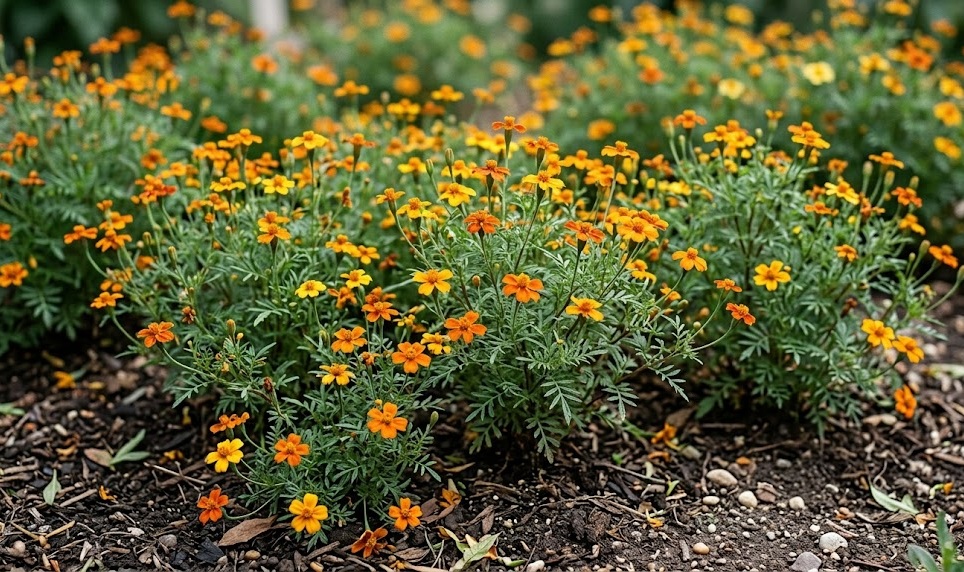

While the signet marigold is prized for its natural resistance to many common garden issues, it is not entirely immune to the pressures of pests and diseases. Maintaining a healthy and vibrant garden requires a proactive approach to monitoring and identifying potential threats before they can cause significant damage. Understanding the specific vulnerabilities of this species allows you to implement professional management strategies that protect your plants while maintaining ecological balance. By combining preventative measures with targeted interventions, you can ensure your signet marigolds remain a highlight of your landscape throughout the entire growing season.
Recognizing and managing fungal infections
Fungal diseases are perhaps the most common ailment affecting signet marigolds, especially in regions with high humidity or frequent summer rains. Powdery mildew is often the first issue gardeners notice, appearing as a fine white or grey dust on the delicate foliage. While it rarely kills the plant, it can significantly reduce the plant’s aesthetic appeal and vigor by interfering with photosynthesis. Improving air circulation around the plants and ensuring they are not overcrowded is the best preventative measure against this airborne fungal pathogen.
Botrytis cinerea, also known as grey mold, can affect the flowers and stems of signet marigolds during periods of cool, wet weather. This fungus manifests as fuzzy grey patches that can cause flower buds to rot before they open or stems to collapse. To manage an outbreak, it is essential to remove any infected plant parts immediately and dispose of them far away from the garden. Avoiding overhead watering and keeping the foliage as dry as possible will create a less hospitable environment for this opportunistic fungus to spread.
Root and stem rot can occur if the soil remains waterlogged for extended periods, particularly in heavy clay or poorly draining garden beds. Symptoms often include a sudden wilting of the entire plant despite the soil being wet, along with a darkening or softening of the stem at the soil line. Because these issues are soil-borne and often fatal once they take hold, prevention through proper soil preparation and drainage is critical. If a plant is lost to rot, it is best not to plant marigolds in that specific spot for a year or two to allow the pathogen levels to decrease.
Leaf spot diseases can also appear, showing up as small brown or black necrotic areas on the older leaves of the plant. These are often caused by various fungal or bacterial pathogens that are splashed onto the foliage from the soil during rain or irrigation. Removing the affected lower leaves can help slow the upward spread of the infection and improve airflow within the mounded structure of the plant. Applying a preventative organic fungicide, such as those based on copper or sulfur, can be helpful in areas where leaf spot is a recurring problem every season.
More articles on this topic
Common insect pests and their impact
The signet marigold’s strong citrus-like scent acts as a natural deterrent for many insects, but a few specific pests still find the plant attractive. Aphids are small, soft-bodied insects that can cluster on the tender new growth and flower buds, sucking the sap and weakening the plant. Their presence is often indicated by distorted leaves or a sticky substance known as honeydew that they excrete as they feed. A strong stream of water from a garden hose is often enough to dislodge these pests without the need for chemical intervention.
Spider mites are another common issue, particularly during hot, dry spells when the plants are slightly stressed by lack of moisture. These tiny arachnids are difficult to see with the naked eye, but their damage is unmistakable, appearing as fine stippling or yellowing on the leaves. In severe cases, you may notice delicate webbing between the stems or on the undersides of the foliage. Maintaining adequate humidity and ensuring the plants are well-watered helps to deter spider mites, as they thrive in arid conditions.
Slugs and snails can be problematic for young signet marigold seedlings, especially if they are planted in shady or damp areas of the garden. These nocturnal pests can consume large amounts of foliage overnight, leaving behind jagged holes and telltale silvery slime trails. Surrounding your young plants with barriers like crushed eggshells or diatomaceous earth can provide a physical deterrent. Alternatively, setting up simple beer traps or hand-picking the pests in the late evening can significantly reduce their population and protect your vulnerable plants.
Leaf miners occasionally target signet marigolds, creating winding, silver-colored tunnels within the thickness of the leaves as the larvae feed. While the damage is usually mostly cosmetic, a large infestation can cause the foliage to drop prematurely and reduce the overall health of the plant. Because the larvae are protected inside the leaf tissue, topical sprays are often ineffective; instead, simply pinching off and destroying the affected leaves is the most practical solution. Encouraging natural predators like parasitic wasps can also help keep leaf miner populations under control in a balanced garden ecosystem.
More articles on this topic
Integrated pest management and prevention
The most effective way to handle pests and diseases is through a strategy known as Integrated Pest Management (IPM), which focuses on long-term prevention. This begins with selecting the right plant for the right place and ensuring it has the resources it needs to remain naturally strong and resilient. A healthy signet marigold with a robust immune system is much better equipped to handle a minor aphid infestation than one that is struggling with poor soil or light. Routine inspections are the foundation of this approach, allowing you to catch problems while they are still manageable.
Crop rotation is a professional agricultural technique that can be applied to the home garden to break the lifecycle of soil-borne pests and diseases. Avoid planting marigolds in the exact same spot every single year, as this can lead to a buildup of specific pathogens that target this family of plants. By moving them to a different part of the garden each season, you force the pests to find new hosts and reduce the likelihood of a major outbreak. This simple practice contributes to a more diverse and healthy soil microbiome over time.
Sanitation is perhaps the most underrated tool in the gardener’s arsenal for disease prevention and management. Keep your garden beds free of fallen leaves, dead stems, and spent flowers, as these can provide a breeding ground for fungi and hiding spots for insects. Always clean your pruning tools with a mild bleach solution or rubbing alcohol between tasks to ensure you are not inadvertently spreading pathogens from one plant to another. Taking the time to maintain a tidy garden significantly reduces the overall pressure from pests and diseases.
Encouraging biodiversity in your garden creates a natural system of checks and balances that helps control pest populations. By planting a variety of flowering species alongside your signet marigolds, you attract beneficial insects like ladybugs, lacewings, and predatory beetles. These “garden heroes” feed on common pests like aphids and mites, often keeping their numbers low enough that you never need to intervene. Providing a small water source and avoiding broad-spectrum pesticides will help these helpful insects thrive in your outdoor space.
Organic solutions and natural remedies
When intervention becomes necessary, organic and natural solutions should always be the first line of defense in a professional-grade garden. Horticultural oils and insecticidal soaps are highly effective against soft-bodied insects like aphids and mites while having a minimal impact on the environment. These products work by smothering the insects on contact, so thorough coverage of the foliage, including the undersides of the leaves, is essential. They break down quickly and do not leave harmful residues that could affect pollinators or soil health.
Neem oil is a versatile organic remedy derived from the seeds of the neem tree, and it acts as both an insecticide and a fungicide. It disrupts the feeding and reproductive cycles of many common pests and can also help control certain types of fungal infections like powdery mildew. Because it is a natural product, it is safe to use around humans and pets when applied according to the instructions. It is best applied in the early morning or evening to prevent any potential leaf burn from the sun.
Home-made sprays using common household items can also be surprisingly effective for minor pest issues on signet marigolds. A mixture of water and a few drops of mild dish soap can be used to treat small aphid colonies, while a solution of baking soda and water can help change the pH of the leaf surface to deter fungi. These remedies are cost-effective and allow you to take immediate action without needing to visit a garden center. However, always test a small part of the plant first to ensure the solution does not cause any adverse reactions to the delicate foliage.
Botanical extracts from plants like garlic, chili, or even other marigolds can be used as natural repellents to keep pests away from your prized flowers. These substances work by making the plant taste or smell unappealing to insects, encouraging them to move elsewhere. While they require more frequent application than synthetic chemicals, they are a vital part of a sustainable and eco-friendly gardening practice. Using these natural tools respects the delicate balance of the garden while still achieving the high standards of a professional horticulturist.
Long term health and diagnostic strategies
Developing a keen eye for plant diagnostics is a skill that distinguishes an experienced gardener from a beginner. When you notice a problem, take the time to look closely at the symptoms: is the discoloration on the old or new leaves? Is the wilting sudden or gradual? Is there visible evidence of insects like frass or webbing? Answering these questions can help you narrow down the cause and choose the most effective treatment plan. There are many high-quality online resources and local extension offices that can help with the identification of specific local pests and diseases.
Sometimes, what looks like a disease or pest issue is actually an abiotic stressor caused by environmental conditions or care routines. For example, nitrogen deficiency can cause yellowing that looks like a viral infection, or overwatering can cause wilting that mimics a fungal root rot. Before reaching for a treatment, evaluate whether the plant is receiving the correct amount of light, water, and nutrients. Adjusting your care routine is often the simplest and most effective way to restore a plant to health without the use of any external products.
Documenting the issues you encounter throughout the season provides a valuable record that can help you plan for the future. Note which varieties of signet marigolds were most resistant to disease and which areas of your garden seemed most prone to specific pests. This information allows you to make smarter choices next year, perhaps selecting more resistant cultivars or moving your plants to a location with better air circulation. Learning from each season’s challenges is what eventually leads to a flourishing and low-maintenance garden.
Ultimately, the goal is not to have a perfectly sterile garden, but one where the plants are healthy enough to coexist with a small number of pests. A few aphids or a bit of powdery mildew late in the season is a natural part of the outdoor environment and often does not require drastic action. By focusing on the overall vitality of your signet marigolds and using a light touch when interventions are needed, you create a garden that is both beautiful and ecologically sound. This professional perspective ensures long-term success and a more enjoyable gardening experience year after year.