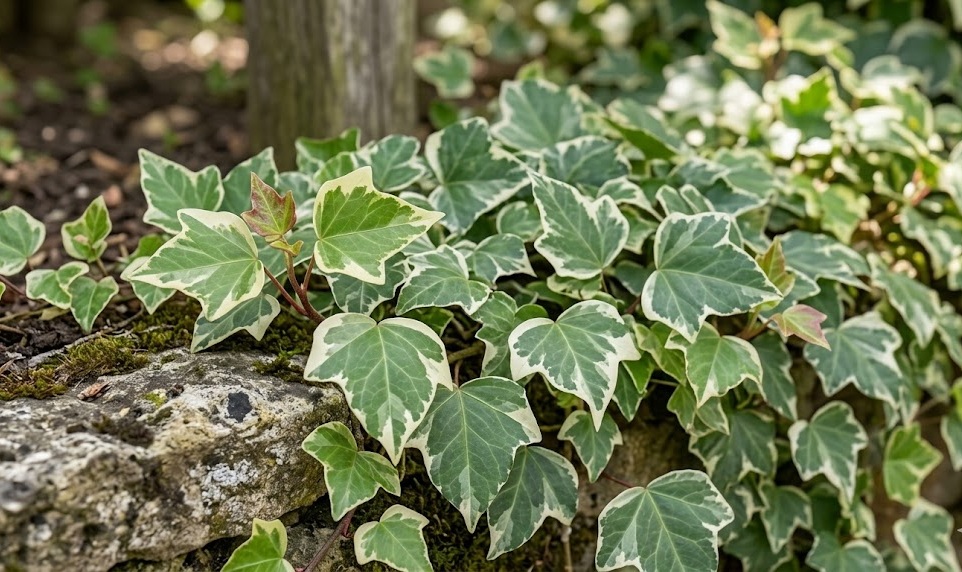

Growing Algerian ivy requires a nuanced understanding of its Mediterranean origins and its specific growth habits. This lush, evergreen climber is celebrated for its large, leathery leaves that provide a dense green canopy in various settings. While it is often considered a hardy plant, achieving its full aesthetic potential requires consistent attention to environmental factors. By mastering the fundamentals of its care, you can ensure that this vigorous vine remains a healthy and vibrant part of your landscape for many years.
General environmental requirements
The foundation of successful cultivation begins with choosing a location that mimics the plant’s native habitat. This species thrives in regions where the climate remains relatively stable and avoids extreme temperature fluctuations. You should aim to provide a setting that offers protection from harsh, drying winds which can damage the large foliage. Creating a microclimate that maintains a degree of humidity will significantly benefit the plant’s overall vigor and leaf color.
Temperature management is a critical aspect of keeping your ivy healthy throughout the different seasons. Ideally, the plant prefers moderate temperatures and can become stressed during periods of intense, prolonged heat. If you are growing it in a particularly hot region, providing extra shade during the afternoon is essential. Conversely, while it has some frost tolerance, extreme cold can cause significant dieback that requires careful recovery.
Humidity plays a vital role in the physiological health of the Algerian ivy, especially when kept indoors. Dry air often leads to the edges of the leaves turning brown or becoming brittle over time. You can improve the local atmosphere by misting the leaves regularly or using a dedicated humidifier in the room. Outdoor plants usually benefit from being grouped with other vegetation to create a naturally humid environment.
Soil quality and structure are the final pieces of the environmental puzzle for this climbing plant. It performs best in a well-draining medium that is rich in organic matter and nutrients. You should avoid heavy clay soils that retain too much moisture, as this can lead to root complications. A slightly acidic to neutral pH level is generally considered ideal for optimal nutrient uptake and growth.
More articles on this topic
Soil and potting considerations
Selecting the right soil mix is the first step toward building a strong root system for your plant. A high-quality commercial potting soil amended with perlite or coarse sand provides the necessary drainage. You might also consider adding organic compost to improve the nutrient profile and water retention capabilities. The goal is a substrate that stays moist but never feels waterlogged or heavy to the touch.
For those growing ivy in containers, the choice of the pot itself is just as important as the soil. Ensure the vessel has several drainage holes at the bottom to allow excess water to escape freely. Terracotta pots are often preferred because they allow the soil to breathe, although they may dry out faster than plastic alternatives. As the plant grows, you will need to monitor the root system to prevent it from becoming pot-bound.
Repotting is a task that usually becomes necessary every two to three years as the vine matures. You will know it is time when you see roots emerging from the drainage holes or the growth rate slows down. Choose a new container that is only one size larger than the current one to avoid over-potting. During the transition, gently loosen the outer roots to encourage them to spread into the new soil.
Long-term soil health can be maintained by occasionally refreshing the top layer of the substrate. This practice, known as top-dressing, introduces fresh nutrients without disturbing the main root mass of the plant. Simply remove the top two inches of old soil and replace it with a fresh, nutrient-dense mix. This is particularly effective for large specimens that have become difficult to move or fully repot.
More articles on this topic
Supporting the climbing habit
The vigorous nature of Algerian ivy means it will naturally seek out surfaces to climb and cover. Providing a sturdy trellis or a wall surface allows the plant to display its beautiful cascading or climbing form. Without proper support, the vines may trail along the ground, which can lead to a messy appearance. You can guide the young shoots toward the support structure using soft garden ties or clips.
Wall climbing is a popular use for this ivy, but it requires some consideration regarding the surface material. The plant uses small aerial rootlets to attach itself to surfaces like brick, stone, or wood. While this creates a stunning green wall, be aware that these rootlets can be difficult to remove later. Regularly check that the weight of the foliage is not pulling the plant away from its support.
Indoor growers can use moss poles or decorative hoops to manage the growth of their potted ivy. A moss pole is particularly effective because it provides a moist surface for the aerial roots to cling to. As the ivy climbs, the leaves often grow larger compared to those on trailing stems. This vertical growth adds a dramatic structural element to any interior design or office space.
Training the plant should begin while the stems are still flexible and relatively young. You can weave the vines through a lattice or wrap them gently around a support column to create a specific shape. Regular intervention ensures that the plant grows in the desired direction and covers the area evenly. If certain sections become too thin, you can pin stems back toward the center to encourage bushiness.
Indoor care specifics
When keeping Algerian ivy as a houseplant, light placement is perhaps the most frequent challenge owners face. It needs a spot with bright, indirect light to maintain its lush green or variegated leaf patterns. Placing it directly in a south-facing window may scorch the leaves, so a sheer curtain is often necessary. If the light is too dim, the plant will become leggy and lose its characteristic density.
Maintaining consistent moisture levels is easier in a controlled indoor environment, but still requires vigilance. You should check the soil weekly by inserting a finger about an inch into the potting mix. If it feels dry, it is time to provide a thorough watering until it runs out the bottom. Avoid letting the pot sit in a saucer of standing water, as this is a common cause of root rot.
Indoor air quality can affect the health of your ivy, especially during the winter months when heaters are active. Forced air heating tends to strip the moisture from the atmosphere, making it uncomfortably dry for the plant. Placing the pot on a tray filled with pebbles and water can help create a local zone of higher humidity. Keeping the plant away from direct drafts or air conditioning vents will also prevent temperature shock.
Dust accumulation on the large leaves can hinder the plant’s ability to photosynthesize effectively. It is a good practice to wipe the leaves occasionally with a damp, soft cloth to keep them clean. Alternatively, you can give the entire plant a gentle shower in the sink or bathtub once a month. This not only cleans the foliage but also helps to wash away any hidden pests that might be lurking.
Outdoor cultivation strategies
In an outdoor garden setting, Algerian ivy serves as an excellent groundcover or a vertical screen for privacy. When used as groundcover, it can quickly fill in large areas and suppress the growth of unwanted weeds. You should space individual plants about two to three feet apart to allow for their rapid horizontal expansion. Within a few seasons, they will merge to create a seamless carpet of deep green foliage.
Site preparation for outdoor planting involves clearing the area of existing weeds and loosening the soil deeply. Adding a layer of mulch around the base of new plants helps to retain moisture during the establishment phase. Mulch also protects the roots from extreme temperature changes during the first winter in the ground. Once established, the ivy is quite resilient, but initial care is vital for long-term success.
Managing the boundaries of your ivy is necessary because of its invasive potential in some regions. It can easily climb nearby trees or spread into areas where it is not wanted if left unchecked. You should use a spade to edge the planting area annually and prevent the runners from escaping. If it begins to climb a tree, keep the ivy restricted to the trunk to avoid smothering the tree’s canopy.
Compatibility with other plants is an important consideration for a balanced and healthy garden ecosystem. Ivy can be quite competitive for nutrients and water, so choose robust companions that can hold their own. Shrubs with deep root systems or tall ornamental grasses often pair well with this vigorous climber. Avoid planting it near delicate, slow-growing flowers that might be easily overwhelmed by its fast pace.
Seasonal maintenance routines
Spring is the time for rejuvenation and preparing the plant for the upcoming peak growing season. This is the best window for performing any major pruning to reshape the vine or remove winter damage. You should also begin your regular fertilization schedule as soon as you notice new growth emerging. Checking the integrity of support structures now will save you trouble when the plant adds weight in summer.
Summer maintenance focuses primarily on moisture management and protecting the plant from heat stress. In very hot weather, you might need to water your outdoor ivy more frequently than usual. Keep an eye out for signs of wilting, which indicates that the plant is struggling to keep up with evaporation. Providing temporary shade can be a lifesaver for young plants that have not yet developed a deep root system.
Fall is the period when you should start winding down the fertilization process to allow the plant to harden off. This is also a good time to do a final light trim to tidy up the appearance before winter. Ensure that the plant is well-hydrated before the first frost, as moist soil holds heat better than dry soil. Clearing away fallen debris from around the base helps prevent fungal issues during the damp autumn months.
Winter care is mostly about protection and monitoring, especially in climates where freezing is common. For outdoor plants, a thick layer of mulch can provide essential insulation for the root zone. Indoor plants will likely need less water during this time because their growth rate naturally slows down. Continue to monitor humidity levels indoors, as this is when the air is typically at its driest.
Troubleshooting and long term health
If you notice your ivy’s leaves turning yellow, it is often a sign of overwatering or poor drainage. Re-evaluate your watering frequency and ensure the soil is not staying saturated for too long. Sometimes, yellowing can also indicate a nutrient deficiency, particularly a lack of nitrogen or iron. A balanced liquid fertilizer can usually correct this issue if caught in the early stages.
Brown, crispy edges on the leaves typically point to low humidity or underwatering issues. If the plant is near a heat source, move it to a cooler location with more stable conditions. Increasing the frequency of misting can also help alleviate the stress caused by dry air. Make sure you are watering deeply enough so that the entire root ball receives moisture.
Loss of variegation in certain varieties is usually a response to insufficient light levels. If a variegated ivy is kept in a dark corner, it will often produce more chlorophyll to compensate, turning the leaves solid green. Moving the plant to a brighter spot will usually encourage the return of the colorful patterns in new growth. Keep in mind that older leaves that have turned green likely won’t change back.
Stunted growth can be caused by a variety of factors, including being pot-bound or lacking sufficient nutrients. If the plant hasn’t produced new leaves in a long time, check the roots and consider a feeding. Ensure that the temperature is within the preferred range, as extreme cold or heat can halt development. Consistent care and observation are the best tools for maintaining a thriving Algerian ivy.

Hedera algeriensis is a magnificent climber, but it’s important to remember that it is significantly more vigorous than its cousin, Hedera helix. In a professional landscape setting, this means it needs plenty of room to expand and a very sturdy support system. The large leaves are beautiful but they also create a lot of weight, especially when wet or in high winds. I always recommend checking the structural integrity of any trellis or wall before planting Algerian ivy. It’s also worth noting that it can be a bit more sensitive to sudden temperature drops than other ivies. Have you found that the variegated forms like ‘Gloire de Marengo’ are any less vigorous than the straight species?
Dr. Vance, in my experience, ‘Gloire de Marengo’ is indeed slightly less aggressive than the green species, though it is still a very fast grower. The variegation seems to slow down the photosynthesis just enough to make it a bit more manageable for residential gardens. However, it also makes it a bit more prone to leaf scorch if it’s in a very bright, hot position. I find it performs best in dappled shade where the white edges can really “pop” against the darker foliage. It’s a stunning plant when used correctly, but it definitely requires a watchful eye to keep it within its bounds. Thanks for bringing up the point about the weight; it’s something many people overlook until their trellis collapses!
I’ve been growing Algerian ivy as a groundcover under some large oak trees, and it has done a wonderful job of filling in those difficult shaded spots. It seems to be very tolerant of the root competition from the trees, which is a huge plus. I do make sure to give it an extra soak during the height of summer, as the trees tend to suck up all the available moisture. The leaves stay a beautiful deep green even in the deepest shade, which is exactly what I was looking for. It’s a much more lush and “tropical” look than standard English ivy. I’m very happy with how it’s performing so far!
One thing to watch out for with Algerian ivy is that it can become quite invasive if it escapes into nearby natural areas. I always advise my clients to keep it away from property boundaries where it might climb over fences and into the neighbor’s yard or a local woodland. Regular pruning is essential to keep it in check, and I usually do a major cut-back once a year in early spring. It’s also a good idea to check for any “aerial roots” that might be damaging the mortar on older brick walls. While it’s not as destructive as some other climbers, it’s still something to be mindful of. Great article with very practical advice!