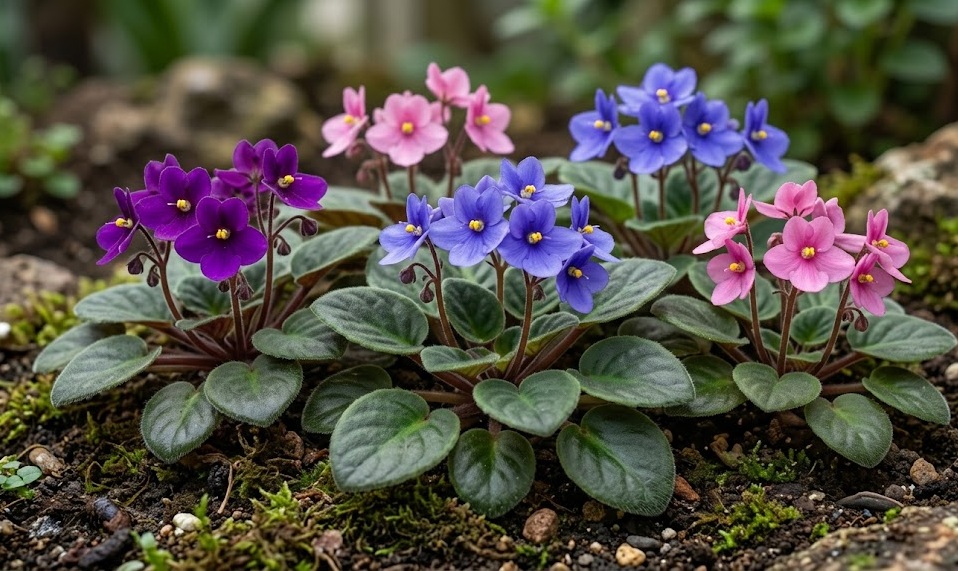

Fungal diseases are among the most common health issues facing African violets, often thriving in the humid and still-air environments that these plants prefer. Powdery mildew is perhaps the most recognizable, appearing as a fine white dust on the leaves and flower stems that looks like flour. If left untreated, it can spread rapidly across your entire collection, eventually causing the foliage to distort and the blooms to wither. You should immediately isolate any infected plant and improve the air circulation in your growing area to prevent further spread.
Botrytis blight, also known as gray mold, is another serious fungal threat that typically targets the flowers and old leaves. It manifests as a fuzzy gray growth that can quickly turn healthy tissue into a mushy, brown mess. This pathogen is particularly active when the humidity is very high and the temperature is relatively cool. Removing spent flowers and damaged leaves promptly is the best way to deny this fungus a place to take hold and begin its destructive cycle.
Crown rot and root rot are devastating conditions caused by various soil-borne fungi that thrive in overly wet conditions. You will often notice the plant wilting even though the soil is moist, and the base of the plant may turn soft and black. Unfortunately, by the time these symptoms are visible, the internal vascular system of the plant is usually severely compromised. Prevention through the use of a very light, well-draining soil mix and careful watering practices is much more effective than trying to cure an established infection.
To manage fungal outbreaks professionally, you can use specialized fungicides formulated for indoor ornamental plants. Neem oil is a popular organic choice that can help control mild cases of powdery mildew while also acting as a general pest repellent. For more severe infections, you might need a systemic fungicide that is absorbed into the plant’s tissues for long-lasting protection. Always follow the label instructions exactly and test any product on a single leaf before treating the entire plant to ensure there is no adverse reaction.
Dealing with cyclamen mites
Cyclamen mites are tiny, microscopic pests that are invisible to the naked eye but can cause enormous damage to African violets. They primarily feed on the tender new growth in the very center of the plant’s rosette, known as the crown. You will notice the center leaves becoming stunted, twisted, and excessively hairy, often turning a grayish or yellowish color. If the infestation is severe, the crown may become so congested that the plant can no longer produce flowers or healthy new leaves.
More articles on this topic
Because these pests are so small and hide deep within the crevices of the plant, they are notoriously difficult to eliminate once they are established. They can easily spread from one plant to another through physical contact or by hitchhiking on your hands and gardening tools. If you suspect an infestation, you must immediately quarantine the affected plant and wash your hands thoroughly after handling it. Many professional growers choose to discard heavily infested plants rather than risk the health of their entire collection.
Treating cyclamen mites requires the use of specialized miticides, as regular insecticides are often ineffective against these arachnids. You must ensure that the spray reaches deep into the center of the crown where the mites are actively feeding and reproducing. Multiple treatments spaced about seven to ten days apart are usually necessary to break the life cycle of the pests. Consistently monitoring the appearance of the central leaves is the only way to know if your intervention has been successful.
Prevention is the most effective strategy for dealing with mites in a home or greenhouse setting. Always inspect new plants thoroughly before bringing them into your main growing area, and consider keeping them in a separate room for at least a month. Avoid placing your African violets near other common host plants like cyclamen or strawberries. Maintaining a high standard of cleanliness and being vigilant for any subtle changes in growth will help you catch a mite problem before it becomes a disaster.
Management of mealybugs
Mealybugs are common sap-sucking insects that look like small, white, cottony spots tucked into the leaf axils or on the undersides of the leaves. They weaken the African violet by draining its energy and can also transmit viral diseases as they move from plant to plant. If you notice a sticky substance called honeydew on the leaves, it is a sure sign that mealybugs or other similar pests are present. Over time, this sticky residue can encourage the growth of black sooty mold, further damaging the appearance of your plant.
More articles on this topic
For small infestations, you can often remove individual mealybugs using a cotton swab dipped in rubbing alcohol. Simply touch the swab to the white cottony mass, which dissolves the protective wax and kills the insect instantly. You must be very thorough, checking every hidden corner of the plant, including the underside of the pot and the drainage holes. This manual approach is effective but requires a great deal of patience and repeat inspections over several weeks to ensure all newly hatched bugs are caught.
Soil mealybugs are a related pest that live underground and feed on the roots, making them much harder to detect than their foliage-dwelling relatives. You might notice the plant looking generally unhealthy or failing to thrive despite receiving excellent care. If you suspect soil mealybugs, you can gently remove the plant from its pot to inspect the roots for small white patches. Treating these requires a systemic insecticide drench that is absorbed by the roots and kills the insects as they feed.
Using a systemic insecticide is a professional method for providing long-term protection against mealybugs and many other common pests. These products are either applied as a soil drench or as granules that are watered into the medium. The plant absorbs the active ingredient, making its sap toxic to the insects for several weeks or months. This is particularly useful for large collections where manual treatment of every plant is simply not practical. Always use these chemicals with caution and keep them away from children and pets.
Preventing and treating root rot
Root rot is a silent killer that often goes unnoticed until the plant is in a state of total collapse. It is primarily caused by overwatering or using a potting mix that is too heavy and lacks adequate air spaces. When the roots are deprived of oxygen, they begin to die and rot, providing an entry point for opportunistic pathogens like Pythium or Phytophthora. A healthy African violet should have firm, white roots; if you see brown, mushy, or foul-smelling roots, you are definitely dealing with rot.
The first step in treating root rot is to remove the plant from its pot and carefully wash away all the old, contaminated soil. Use a sterilized pair of scissors to trim away every bit of dead or decaying root tissue, leaving only the healthy, firm parts. If the rot has reached the main stem, you may need to cut away the bottom of the stem until you see clean, green tissue. At this point, the plant effectively becomes a large cutting and must be treated as such to survive.
Repot the treated plant into a very small container filled with fresh, highly porous propagation mix, such as a blend of perlite and vermiculite. Do not use any fertilizer at this stage, as the plant needs to focus entirely on regenerating its root system. Keep the plant in a high-humidity environment, such as a clear plastic bag, to reduce the stress on the remaining foliage. It may take several weeks for new roots to form, and you must be extremely careful not to overwater during this recovery period.
Preventing root rot is entirely dependent on your ability to manage the moisture levels in the soil and provide a proper growing medium. Always use a pot with drainage holes and never allow the plant to sit in a tray of excess water for more than half an hour. Using a “soilless” mix that stays airy even when wet is the single best insurance policy against this common and deadly condition. Expert growers know that a slightly dry plant is much easier to save than one that has been drowned.
Integrated pest management strategies
Integrated Pest Management, or IPM, is a professional approach that combines biological, cultural, and chemical controls to manage pests with minimal risk. The first line of defense is always prevention and sanitation, which includes keeping your growing area clean and removing any dead plant material. Regularly cleaning your tools and pots with a bleach solution prevents the accidental transfer of pathogens from one plant to another. By maintaining a healthy environment, you make it much harder for pests and diseases to gain a foothold in your collection.
Monitoring is the second critical component of a successful IPM program for African violets. You should inspect your plants daily, looking for any signs of discoloration, leaf distortion, or unusual spots. Using yellow sticky traps can help you detect the presence of flying pests like fungus gnats or thrips before they become a major problem. The earlier you catch an issue, the easier and less expensive it will be to resolve it without resorting to harsh chemicals.
Biological controls, such as using predatory mites or beneficial bacteria, can be an effective way to manage pests in a more natural way. For example, the bacterium Bacillus thuringiensis can be used to control the larvae of fungus gnats in the soil without harming the plant. These methods are particularly popular with home growers who want to avoid using synthetic pesticides in their living spaces. While they can be slower to show results, they contribute to a more balanced and sustainable indoor ecosystem over the long term.
When chemical intervention is necessary, always choose the least toxic option that will be effective for the specific problem you are facing. Start with insecticidal soaps or horticultural oils before moving on to more potent systemic insecticides if the situation warrants it. Always read the entire product label and follow the safety precautions to protect yourself and your environment. A professional-grade collection is the result of constant vigilance and a thoughtful, balanced approach to plant health and pest management.