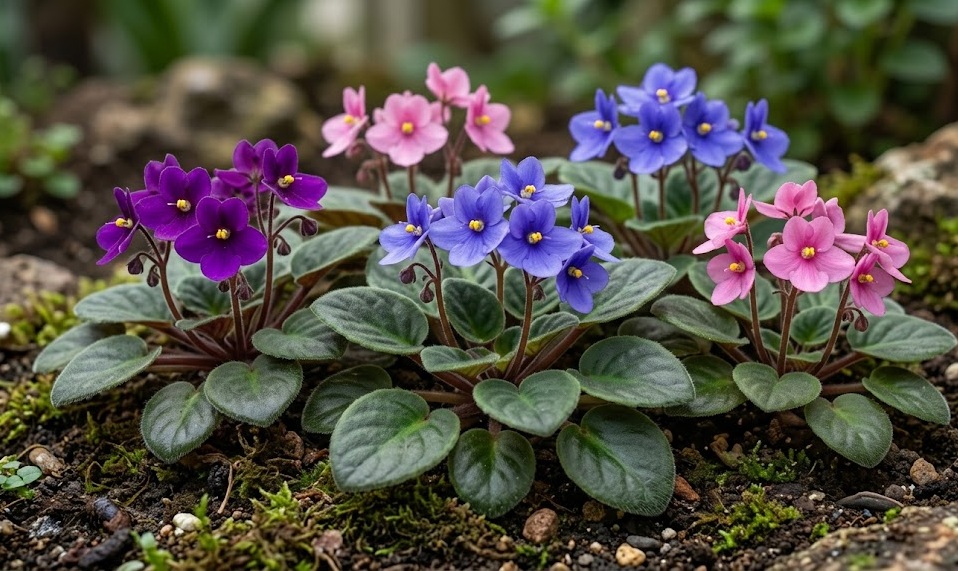

Choosing a specialized potting mix is the first and most critical step when you are planning to plant or propagate African violets. These plants have very delicate, hair-like roots that cannot penetrate heavy, traditional garden soils or even some standard potting mixes. You need a substrate that is exceptionally light and airy to allow for maximum oxygen exchange at the root zone. A high-quality mix will typically contain a combination of sterilized peat moss and large-grain perlite to ensure proper drainage.
Many experienced growers prefer to mix their own soil to have complete control over the physical properties and nutrient content of the medium. A popular recipe involves using one part peat moss, one part perlite, and one part vermiculite for a balanced moisture-to-air ratio. This combination creates a “soilless” mix that is naturally slightly acidic, which is exactly what these plants prefer for nutrient uptake. Using sterilized components is also important to prevent the introduction of soil-borne pests or diseases during the planting process.
Before you actually place the plant or cutting into the mix, it is essential to pre-moisten the medium with lukewarm water. Peat-based mixes can be hydrophobic when they are completely dry, meaning they will actually repel water instead of absorbing it. Work the water into the mix until it feels like a damp sponge that has been thoroughly wrung out. This ensures that the delicate roots or the base of a new cutting will have immediate access to moisture without being drowned.
The physical structure of the medium must remain stable over time to support the plant as it grows larger and heavier. Over several months, peat can start to break down and become compacted, which reduces the amount of air available to the roots. By including a significant amount of perlite, you create permanent air pockets that will not collapse even after repeated waterings. This long-term stability is what allows a professional-grade potting mix to support healthy growth for an entire year.
Leaf cutting technique
Propagation through leaf cuttings is the most common and rewarding method for expanding your collection of these beautiful indoor plants. You should start by selecting a healthy, firm leaf from the middle row of the mother plant’s rosette. Avoid using the oldest leaves from the bottom or the very young ones from the center, as they have less energy for rooting. Use a clean, sharp blade to cut the leaf stem at a forty-five-degree angle, leaving about an inch of stem attached.
More articles on this topic
Allowing the cut end of the stem to callus over for about ten to fifteen minutes can help prevent rot once it is placed in the soil. You should then insert the stem into a small pot filled with your pre-moistened propagation mix, burying it about half an inch deep. Firm the soil gently around the stem to ensure good contact and to keep the leaf from flopping over. Some growers use a small stick or a plastic fork to provide extra support for the leaf during the first few weeks.
Creating a humid environment is essential for the success of a leaf cutting because it has no roots to absorb water from the soil. You can place the entire pot inside a clear plastic bag or under a humidity dome to keep the air moist around the leaf. Keep the cutting in a warm, brightly lit area, but out of direct sunlight, which could cook the delicate tissue inside the plastic. Within four to eight weeks, small plantlets should begin to appear at the base of the leaf stem.
Patience is key during this process, as it can take several months for the new plantlets to grow large enough to be separated from the parent leaf. You will eventually see a cluster of tiny leaves emerging from the soil, often called “mouse ears” by many hobbyists. Once these plantlets have three or four leaves of their own, you can gently tease them apart and give each one its own small pot. This method allows you to produce multiple identical copies of your favorite African violet varieties.
Dividing the crown
As some varieties of African violets age, they naturally develop multiple crowns or “suckers” that grow from the sides of the main stem. While this can make the plant look full, it eventually leads to a crowded appearance and a significant reduction in the number of flowers produced. Dividing the crowns is a necessary maintenance task that also doubles as a highly effective method of propagation. You should wait until the suckers have at least four well-developed leaves before you attempt to remove them from the parent.
More articles on this topic
To begin the division process, remove the entire plant from its pot and gently shake off some of the excess soil to expose the stems. You will see where the smaller crowns are attached to the main trunk of the primary plant. Using a sharp, sterilized knife or a specialized surgical tool, carefully slice the sucker away from the main stem, ensuring it has its own growth point. Try to keep as many roots attached to the new division as possible to give it a head start in its new container.
If the new division does not have any roots of its own, treat it like a large cutting by placing it in a light, moist medium. You should remove any lower leaves that might end up buried in the soil to prevent them from rotting and attracting fungus gnats. Placing the newly divided plant in a high-humidity environment for a couple of weeks will help it recover from the stress of the operation. This technique is often faster than leaf propagation because you are starting with a much larger and more developed piece of the plant.
After the division is complete, you should also take the opportunity to refresh the soil and center the original parent plant back in its pot. The parent plant will often show a renewed burst of energy and blooming once the competing suckers have been removed. This regular maintenance ensures that your collection stays organized and that each individual plant has the space it needs to thrive. Dividing crowns is a fundamental skill for anyone looking to maintain a professional-grade indoor garden.
Potting up young plants
The final stage of the propagation process involves moving your successful young plantlets into their first individual containers. You should select very small pots, typically no larger than two inches in diameter, for these new additions. Using a pot that is too big at this stage is a common mistake that often leads to overwatering and root rot. The goal is to provide just enough space for the roots to establish themselves without the soil remaining wet for too long.
Gently place the young plant in the center of the pot and fill in around the roots with your specialized, airy potting mix. Be careful not to bury the central growth point, also known as the crown, as this will cause the entire plant to rot and die. The soil should be level with the base of the lowest leaves to provide proper support and aesthetic balance. Give the pot a gentle tap on the table to settle the soil and remove any large air pockets around the roots.
Newly potted young plants need a very stable environment with consistent warmth and bright, indirect light to encourage rapid root development. You might find that they benefit from a diluted fertilizer solution once they show signs of active new growth in the center. Avoid using full-strength fertilizer on these delicate youngsters, as their tender roots can be easily burned by excess mineral salts. Monitoring their progress daily will help you catch any issues before they become serious problems for the developing plant.
As the young plants grow, you will eventually see roots beginning to appear at the drainage holes or the foliage spreading well beyond the rim of the pot. This is your signal that it is time to move them up to the next pot size, usually a three-inch container. Never jump too many sizes at once; a gradual increase is much safer for the long-term health of the African violet. Successfully raising your own plants from cuttings or divisions provides a deep sense of satisfaction and expertise in the hobby.