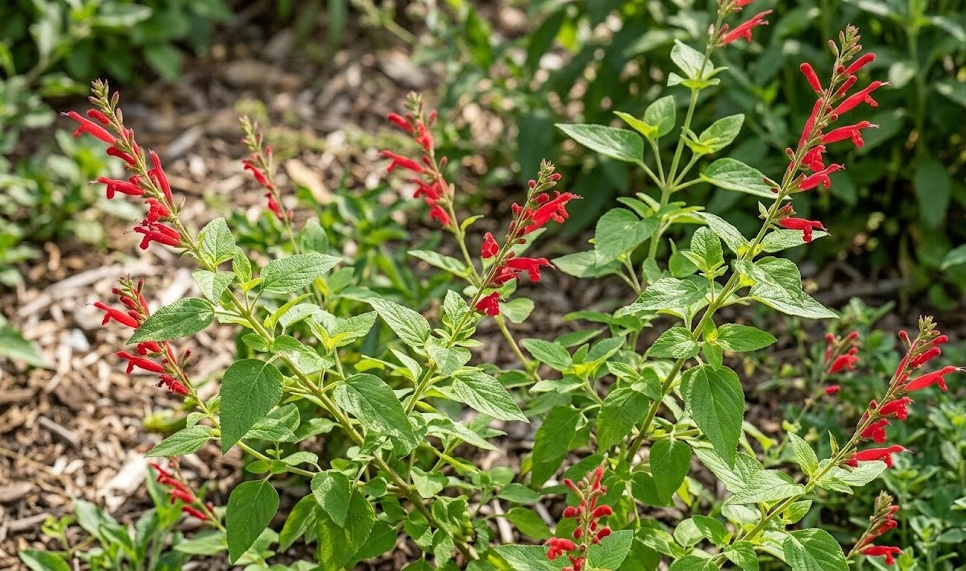

Pruning is an essential maintenance task that transforms pineapple sage from a potentially wild and leggy bush into a tidy, productive, and structurally sound garden feature. Because of its rapid growth rate, this plant responds exceptionally well to various cutting techniques throughout the season. Whether you are aiming for a bushier shape, better flower production, or simply a more manageable size, knowing when and where to make your cuts is key. A professional approach to pruning not only improves the look of the plant but also significantly enhances its overall health and longevity.
For many gardeners, the idea of cutting back a healthy plant can be intimidating, but with pineapple sage, it is almost impossible to over-prune during the active season. The plant has a remarkable ability to regenerate from dormant buds along its stems, often coming back thicker and stronger than before. Regular intervention prevents the center of the plant from becoming overly woody and unproductive, which is a common issue with older specimens. Think of pruning as a way of directing the plant’s energy toward your specific goals for the season.
The tools you use are just as important as the technique itself when it comes to a clean and successful prune. Always use sharp, sterilized bypass pruners to ensure that the cuts are clean and do not crush the delicate vascular tissues of the stems. A clean cut heals much faster and is less likely to become an entry point for diseases or pests that could compromise the plant. Developing a “pruning kit” and keeping it in good condition is a professional habit that will benefit all the plants in your garden.
In this guide, we will cover the three main stages of pruning for pineapple sage: early-season pinching, maintenance pruning, and late-season rejuvenation. We will discuss the timing for each and the specific results you can expect to achieve. By mastering these techniques, you will be able to keep your sage in peak condition year after year. Let’s look at how to use your pruners to get the most out of this wonderful aromatic sub-shrub.
Early season pinching for bushier growth
The first stage of pruning begins in the late spring or early summer, just as the plant is starting to put on significant height. “Pinching” involves removing the very tip of the growing stem, usually just above a set of healthy leaves. This simple action disrupts the plant’s apical dominance, which is the tendency for the main stem to grow upward at the expense of side branches. By removing the tip, you signal to the plant to activate the dormant buds lower down the stem, resulting in two new branches where there was only one.
More articles on this topic
If you repeat this pinching process several times during the early part of the season, you will end up with a much denser and more compact bush. This is particularly important for pineapple sage because its stems can become quite heavy and brittle as they grow. A bushier plant has a lower center of gravity and a more interconnected structure, making it much more resistant to wind and rain damage. It also provides a much larger surface area for both leaves and future flower spikes to develop.
When pinching, you can use your thumb and forefinger for soft, new growth, or a small pair of snips for slightly more established stems. Always make the cut just a few millimeters above a leaf node, which is the point where the leaves join the stem. Avoid leaving long “stubs” above the node, as these will simply die back and can become a site for rot. This precise and careful approach ensures that the plant can heal quickly and continue its rapid development without a major setback.
You should stop the pinching process about mid-summer to allow the plant enough time to develop the long stems required for flowering. If you continue to pinch too late into the season, you may accidentally remove the developing flower buds and delay the spectacular autumn show. Finding the right balance between a bushy shape and a timely bloom is one of the more artistic aspects of professional gardening. With a bit of practice, you will learn to read the plant’s progress and know exactly when to put the pruners away.
Post-bloom maintenance pruning
Once the spectacular flowering season has come to an end in the late autumn, the plant will naturally start to look a bit tired and spent. This is the time for maintenance pruning, which focuses on removing the old flower spikes and any stems that have become damaged or diseased during the season. Removing the dead flowers, a process known as deadheading, helps to tidy up the plant’s appearance and prevents it from putting energy into seed production. This energy can instead be diverted back into the roots for winter survival.
More articles on this topic
During this phase, you should also look for any crossing or rubbing branches that could create wounds in the bark over time. Removing these internal stems improves air circulation and light penetration, which is vital for the health of the inner parts of the bush. You can also take this opportunity to thin out any particularly weak or spindly growth that isn’t contributing to the overall structure. A well-maintained plant is much more resilient to the challenges of the coming winter months.
In milder climates where the plant stays green through the winter, this maintenance pruning can be quite light. However, in colder areas where the foliage will be killed by frost, you might be tempted to cut the entire plant to the ground immediately. It is actually better to wait until the stems have fully turned brown and dormant before doing a major cut-back. The old stems can provide a small amount of physical protection for the crown during the first few cold snaps of the year.
Always dispose of the pruned material properly, especially if you noticed any signs of disease or pests during the growing season. While healthy sage cuttings can be a great addition to a compost pile, diseased material should be binned or burnt to prevent the spread of spores. Keeping your garden clean and free of debris is one of the most effective ways to ensure a healthy start for the next season. Professional maintenance is as much about hygiene as it is about aesthetics.
Hard pruning for rejuvenation
Every few years, or if a plant has become excessively woody and sparse at the base, a hard rejuvenation prune may be necessary. This involves cutting the entire plant back to within a few inches of the ground in the early spring, just as the new growth is beginning to show. While it may seem drastic, this “reset button” encourages the plant to produce a flush of vigorous new stems from the crown. It is a fantastic way to restore the vitality of an older specimen that has lost its shape.
Before performing a hard prune, ensure that the plant is otherwise healthy and has a well-established root system to support the sudden loss of foliage. You should also make sure that the danger of a hard freeze has passed, as the new shoots will be very tender and vulnerable. Applying a balanced fertilizer and a fresh layer of compost immediately after a hard prune will provide the necessary nutrients for the plant to rebuild itself. You will be amazed at how quickly the sage can return to its full size after such a major intervention.
Hard pruning is also a great time to reassess the space the plant occupies in your garden. If it has grown too large for its allocated spot, you can use the rejuvenation process to “shrink” the plant’s footprint for the coming season. By selectively removing some of the outermost growth points, you can encourage a more upright and contained habit. This level of control is essential for maintaining a balanced and harmonious garden design over many years.
Finally, remember that pruning is a continuous learning process, and every plant will respond slightly differently based on its environment. Don’t be afraid to experiment with different levels of cutting to see what produces the best results in your specific garden. Keeping a simple garden journal can help you track your pruning dates and the subsequent response of the plant. Over time, you will develop the “eye” of an expert, knowing exactly how to guide your pineapple sage toward its most beautiful and productive self.