
Growing this vigorous climber requires a steady hand and a clear plan to prevent it from overwhelming your garden spaces. You should focus on establishing a strong root system while managing the top growth to ensure the plant remains healthy and productive. Consistency is the key to success when dealing with a species known for its rapid expansion and resilience in diverse environments. Experienced gardeners often recommend checking the vine weekly to spot any potential issues before they become unmanageable.
Routine maintenance involves more than just keeping the plant within its boundaries throughout the growing season. You need to observe how the foliage reacts to local climate shifts to adjust your care routine accordingly. Healthy leaves should maintain a vibrant green color, which indicates that the vascular system is functioning properly. If you notice any wilting or discoloration, it is time to reassess your environmental management strategies immediately.
The structural integrity of the plant depends heavily on the support systems you provide during its early years. As the woody stems thicken, they become significantly heavier and can cause damage to flimsy trellises or fences. I have seen many gardeners struggle with collapsed supports because they underestimated the sheer weight of a mature vine. Investing in high-quality, durable materials from the start will save you a lot of frustration in the long run.
Environmental monitoring is an essential part of the care process for any perennial climber in an agricultural setting. You should keep a gardening journal to track the growth rate and flowering periods of your specific specimens. This data helps you predict when the plant will require extra attention or more intensive management interventions. Understanding the unique rhythm of your garden allows you to work with nature rather than constantly fighting against it.
Establishing core maintenance principles
The first step in caring for this plant is understanding its natural tendency to climb and colonize available vertical space. You must decide early on whether you want a wild, natural look or a more disciplined, architectural form. Setting clear boundaries for the plant will prevent it from invading nearby trees or structures where it is not wanted. This proactive approach ensures that the climber remains an asset to your landscape rather than a nuisance.
More articles on this topic
Soil health is the foundation of any successful gardening endeavor, and this climber is certainly no exception to that rule. You should regularly test the soil to ensure that the pH levels remain within the slightly alkaline to neutral range. Adding organic matter every spring helps maintain the soil structure and provides a slow release of essential nutrients. A well-nourished plant is far more capable of resisting environmental stress and potential pest infestations.
Cleaning the area around the base of the plant is a simple task that yields significant benefits for overall health. You should remove fallen leaves and debris to prevent the buildup of moisture that can lead to crown rot. This practice also discourages pests from finding a permanent home near the sensitive root zone of your vine. Keeping the base clear allows for better air circulation and easier access for inspection and watering.
Regular observation is perhaps the most valuable tool in your gardening kit when managing large, woody climbers. I suggest spending a few minutes each weekend looking closely at the stems and the undersides of the leaves. Early detection of any anomalies allows for less invasive treatments and a higher success rate for recovery. Your presence in the garden is what truly turns a simple plant into a thriving part of the ecosystem.
Managing soil and root health
The root system of this plant prefers to stay cool and moist, even when the foliage is basking in the sun. You can achieve this by planting low-growing perennials or small shrubs around the base to provide natural shade. Alternatively, applying a thick layer of mulch will help regulate the soil temperature and prevent rapid evaporation of moisture. This “cool feet, warm head” philosophy is a classic rule for many climbing species that you should follow.
More articles on this topic
Drainage is a critical factor that can make or break the health of your climber over the years. You must ensure that the planting site does not become waterlogged during heavy rains or snowmelt periods. If your soil is heavy clay, consider incorporating grit or sand to improve the porosity and water movement. Roots that sit in stagnant water will quickly lose their ability to take up oxygen, leading to a rapid decline.
Nutrient availability depends on the biological activity within the soil surrounding the root zone of the vine. You should encourage beneficial microbes and earthworms by avoiding harsh synthetic chemicals that can sterilize the earth. Using compost tea or liquid seaweed extracts can boost the soil’s vitality and improve the plant’s resilience. A living soil creates a robust environment where the plant can truly reach its full genetic potential.
Compaction is often an overlooked issue in established gardens where foot traffic is common around the plants. You should avoid stepping directly on the root zone to prevent crushing the delicate air pockets in the soil. If the ground feels too hard, gently use a garden fork to aerate the area without damaging the main roots. This simple act of aeration can significantly improve the vigor of an older vine that has started to stagnate.
Structural support and guidance
Choosing the right structure is vital because this vine uses twisting petioles to pull itself upward toward the light. You should provide a mesh or a series of thin wires that the plant can easily wrap its leaf stalks around. If the support is too thick, like a heavy wooden post, the plant will struggle to gain a foothold. Many professionals use a combination of sturdy main frames and lighter secondary netting for the best results.
Guidance involves physically moving young shoots toward the parts of the trellis that you want to be covered. You can use soft garden twine to loosely tie the stems in place until they can support themselves naturally. Be careful not to tie them too tightly, as the stems will expand in diameter as they age and mature. Regular training during the spring flush will result in a much more even and attractive distribution of foliage.
Height management is necessary if you are growing the vine on a wall or a house structure near windows. You should regularly trim back shoots that are heading toward gutters, roof tiles, or sensitive architectural features. Left unchecked, the woody stems can actually lift shingles or clog drainage systems with their dense growth. It is much easier to divert a young green shoot than to remove a thick, woody branch later.
Safety should always be a priority when you are working with tall climbers that require ladder access for maintenance. You must ensure that your support structures are securely anchored to the ground or the wall to prevent accidents. Inspect the integrity of the trellis every few years to check for rot or rust that could weaken the system. A collapsed vine is not only a tragedy for the plant but also a potential hazard for anyone nearby.
Monitoring growth and development
Tracking the growth rate of your vine provides valuable insights into how well it is adapting to its specific location. You will notice that growth accelerates significantly during the late spring when temperatures and light levels increase. During this period, you might need to check the plant every few days to keep up with the new shoots. Taking photos at regular intervals can help you visualize the progress and plan for future expansion needs.
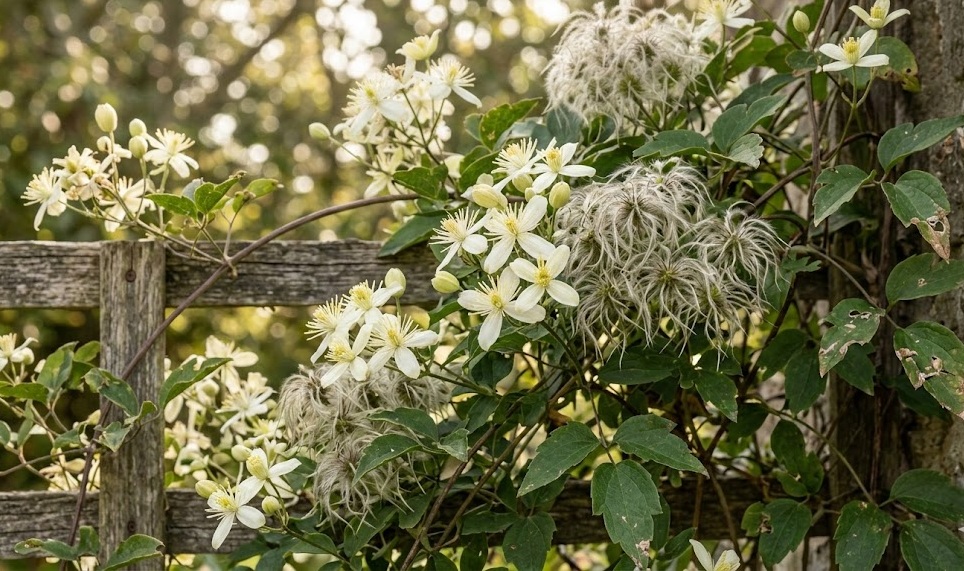
Flowering is the highlight of the growing cycle, and it usually occurs on the current year’s growth in late summer. You should observe the abundance and quality of the blooms to gauge the overall nutritional status of the vine. If flowering is sparse, it might indicate a lack of phosphorus or perhaps too much nitrogen, which promotes leaves over blossoms. Adjusting your fertilizer regime based on these observations will lead to better results in the following season.
Leaf health is a primary indicator of the plant’ever-changing relationship with its environment and local climate. You should look for a consistent deep green color across the entire plant, from the base to the tips. Yellowing between the veins often points to a micronutrient deficiency that needs to be addressed with a foliar spray. By reacting quickly to these visual cues, you can maintain a lush and beautiful display all season long.
Stem development should be monitored to ensure that the plant is building a strong and healthy woody framework. Look for any cracks or lesions in the bark that could serve as entry points for pathogens or wood-boring insects. Healthy stems should feel firm and show signs of new bark formation as they increase in girth over time. Removing any weak or spindly growth allows the plant to focus its energy on the most productive branches.
Seasonal adjustments in care
Spring is the time for renewal and preparation, where you set the stage for the coming months of intense growth. You should begin by clearing away any winter debris and checking the soil moisture levels as the ground thaws. Applying a balanced fertilizer at this stage gives the plant the necessary boost to produce strong new shoots. This is also the best time to check your irrigation system for any leaks or blocked emitters.
Summer care is mostly about managing hydration and keeping the rapid growth under control through light pruning. You should water deeply during dry spells to ensure that the moisture reaches the lower levels of the root zone. Mulching becomes even more important now to protect the soil from the intense heat of the midday sun. If the weather is particularly humid, keep an eye out for any signs of mildew on the dense interior foliage.
Autumn is the period when the plant begins to slow down and prepare for its upcoming dormant phase. You should reduce watering gradually to signal to the vine that it is time to harden its woody tissues. Avoid applying high-nitrogen fertilizers at this time, as late-season soft growth is very susceptible to frost damage. Removing the spent flowers or seed heads can help keep the garden tidy and prevent excessive self-seeding.
Winter is a time of rest for the plant, but the gardener must still remain vigilant against physical damage. You should check the support structures after heavy snowfalls or windstorms to ensure they are still holding firm. This is a great time to clean and sharpen your pruning tools so they are ready for the spring rush. Although the plant looks dead, the buds are waiting for the first signs of warmth to begin the cycle again.
Tool selection and maintenance
Using the right tools makes the task of caring for a large climber much more efficient and enjoyable. You should invest in a pair of high-quality bypass pruners that can make clean cuts without crushing the stems. For thicker, woody branches, a small folding saw or a pair of loppers will be necessary to achieve a professional finish. Keeping your blades sharp is essential for the health of the plant, as clean wounds heal much faster.
Disinfection is a critical step that many gardeners skip, but it is vital for preventing the spread of diseases. You should wipe your tools with rubbing alcohol or a mild bleach solution after working on a suspicious plant. This simple habit prevents you from inadvertently moving fungal spores or bacteria from one part of the garden to another. I always keep a bottle of disinfectant in my tool kit to use between different sections of the landscape.
Storage and care of your equipment will extend its life and ensure that it is always ready for use when needed. You should clean off any sap or dirt from your pruners after every session to prevent rust and sticking. Applying a light coat of oil to the moving parts and the blades will keep them functioning smoothly for many years. A well-maintained tool is safer to use and provides much better results for the precision work required.
Ergonomics should be a consideration when you are purchasing tools for long hours of garden maintenance work. Look for handles that fit comfortably in your hand and have a non-slip grip to reduce strain and fatigue. Padded tool belts can also help by keeping your most-used items within easy reach at all times. Taking care of your own physical health is just as important as taking care of the plants in your charge.
Long-term health and vitality
A mature climber can live for many decades if it is given the proper care and a suitable environment to grow. You should focus on maintaining a balance between the old woody framework and the fresh, productive new growth. Every few years, you might need to remove a very old stem to make room for a vigorous young replacement. This rejuvenation process keeps the vine looking youthful and prevents it from becoming a tangled, unproductive mess.
Biodiversity in the garden supports the long-term health of your vine by creating a balanced ecosystem for beneficial insects. You should plant a variety of flowers and shrubs nearby to attract pollinators and natural predators of common garden pests. This reduces the need for chemical interventions and promotes a more sustainable way of managing your outdoor space. A healthy garden is a self-regulating system where every organism plays a vital role in the whole.
Consistency in care is what differentiates a professional-looking garden from one that is merely surviving the seasons. You should develop a routine that allows you to stay ahead of the plant’s needs throughout the entire year. Even small, regular efforts are more effective than sporadic bursts of intense activity followed by long periods of neglect. Your dedication will be rewarded with a spectacular vertical display that improves every single year.
Finally, never stop learning and observing how your plant responds to the unique microclimate of your specific garden. Every site has its own challenges and opportunities that you will discover over time as you interact with the vine. Share your experiences with other gardeners and stay curious about new techniques or varieties that might enhance your collection. Gardening is a lifelong journey of discovery, and this beautiful climber is a wonderful companion along the way.