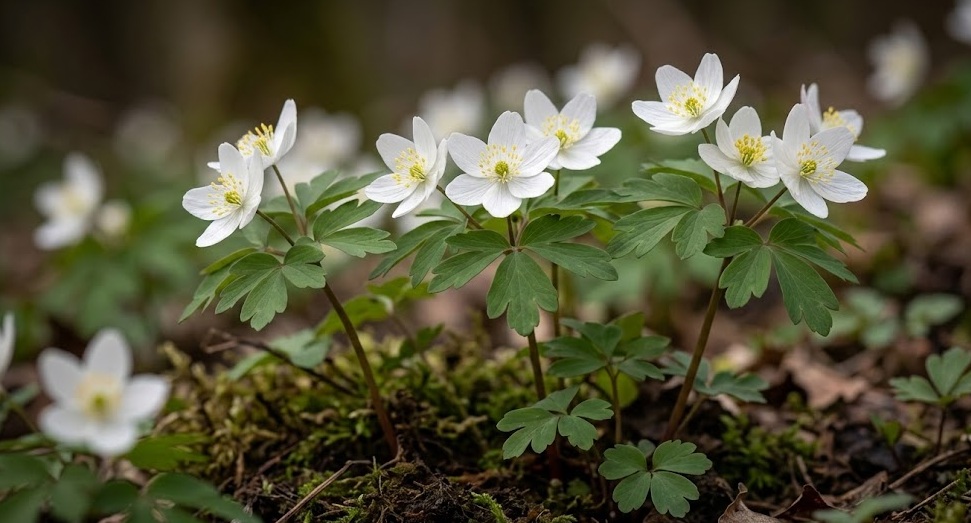

Growing the delicate false anemone requires a deep understanding of its natural woodland habitat to ensure it thrives in a garden setting. You need to focus on replicating the dappled sunlight and moist, organic soil that these plants enjoy in the wild. While they are relatively low-maintenance once established, the initial stages of growth demand your careful attention and patience. Providing a stable environment will reward you with a beautiful carpet of white blossoms every spring season.
Understanding the natural habitat
The first step in caring for this species is recognizing its preference for deciduous forest conditions. These plants naturally grow under the canopy of broad-leaved trees where they receive filtered light. You should aim to mimic this environment by choosing a spot that remains cool and sheltered. Understanding these origins helps you provide the specific humidity and temperature levels necessary for success.
Soil composition plays a vital role in the long-term health of your woodland garden plants. You should ensure the earth is rich in leaf mold and organic matter to provide essential nutrients. Well-draining soil is a necessity because stagnant water can lead to root issues during the dormant period. Adding compost annually will help maintain the loose and airy texture that these delicate roots prefer.
Temperature stability is another factor that influences the growth cycle of these spring ephemerals. They generally prefer the cool temperatures of early spring before the summer heat becomes too intense. You might notice that the plant goes dormant once the weather warms up significantly in June. This is a natural survival mechanism, so do not be alarmed when the foliage begins to fade.
Wind protection is often overlooked but remains important for protecting the fragile stems and leaves. Planting them near shrubs or larger perennials can provide a natural barrier against harsh gusts. This microclimate helps maintain higher humidity levels around the foliage during the growing season. A sheltered location also prevents the soil from drying out too quickly on breezy days.
More articles on this topic
Soil management and preparation
Preparing the planting site involves more than just digging a hole in the ground. You should start by clearing the area of aggressive weeds that might compete for moisture. Turning the soil deeply allows for better aeration and easier root penetration for the young plants. Incorporating aged bark or forest mulch will further enhance the structural integrity of your garden beds.
The acidity level of the soil should ideally range from neutral to slightly alkaline for optimal growth. You can perform a simple soil test to determine if any adjustments are needed before planting. If your soil is too acidic, adding a small amount of garden lime can help balance the pH. Consistent monitoring ensures that the chemical environment remains favorable for nutrient uptake throughout the year.
Moisture retention is a key characteristic of the ideal soil mix for these woodland dwellers. You want the ground to stay consistently damp but never waterlogged or muddy during the spring. Adding perlite or coarse sand can improve drainage in heavier clay soils that tend to hold too much water. This balance ensures that the roots have access to both hydration and oxygen at all times.
Mulching is a highly effective way to maintain soil quality and protect the delicate root systems. You should apply a thin layer of leaf litter or shredded wood chips around the base of the plants. This mimicry of the forest floor prevents erosion and keeps the soil temperature more consistent. Furthermore, as the mulch breaks down, it continuously feeds the soil with natural organic compounds.
More articles on this topic
Seasonal maintenance routines
Spring is the busiest time for anyone managing a collection of these beautiful forest plants. You will see the first shoots emerging as soon as the ground thaws and the sun warms the air. During this period, you should keep the area clear of debris that might hinder the upward growth. Careful observation allows you to spot any early issues before they become significant problems for the colony.
As summer approaches, the focus shifts toward protecting the plants from excessive heat and drought. You should gradually reduce the frequency of any interventions as the foliage begins its natural decline. Once the leaves have turned yellow, the plant is preparing for its long rest beneath the surface. Marking the location of the dormant plants will prevent accidental disturbance during summer gardening activities.
Autumn is the perfect time to prepare the garden for the coming winter months and the next spring. You can add a fresh layer of organic mulch to provide insulation against the upcoming freezing temperatures. This is also an ideal window for expanding your plantation if you wish to cover more ground. Ensuring the soil is healthy now will lead to a more vigorous display when the next season arrives.
Winter care is mostly hands-off, but you should still monitor the site for any signs of animal disturbance. Heavy snow cover actually acts as a beneficial insulator for the roots tucked away in the soil. You should avoid walking on the planting beds to prevent soil compaction, which can damage the dormant structures. Nature handles most of the work during this period as the plants wait for the return of warmth.
Monitoring growth and development
Keeping a garden journal can be an excellent way to track the progress of your woodland specimens. You should note the exact dates when the first flowers appear and when the foliage begins to fade. These observations help you understand the specific rhythm of your local microclimate over several years. Over time, you will develop an intuitive sense of what the plants need based on their appearance.
Healthy growth is usually characterized by lush green foliage and a steady increase in the size of the cluster. If you notice stunted growth, it might be an indication that the soil is too compacted or dry. You should check the surrounding environment for any new obstructions that might be blocking the light. Adjusting your care routine based on these visual cues is part of being an expert gardener.
The flowering phase is the highlight of the plant’s life cycle and usually lasts for several weeks. You will observe small, delicate white flowers that seem to float above the fern-like foliage on thin stems. Protecting these blooms from heavy rain or late frosts will extend the beauty of your garden display. After the flowers fade, the plant focuses its energy on developing seeds and storing nutrients.
Self-seeding is a sign that your plants are truly happy in the location you have provided for them. You might see tiny new seedlings appearing around the original mother plant in the following years. Allowing these young plants to grow will eventually create the lush carpet effect that is so desirable. It is a natural process that requires very little intervention from the gardener once established.
Environmental stress factors
Excessive sunlight is one of the most common stressors for plants adapted to the deep shade of forests. If the leaves start to look scorched or turn brown at the edges, the plant is likely getting too much sun. You can provide temporary shade using garden fabric or by planting taller perennials nearby. Moving the plants to a more suitable location might be necessary if the problem persists every year.
Drought during the active growing season can cause the plants to go dormant prematurely, which weakens them. You should monitor the soil moisture levels closely during unseasonably dry spring weeks and provide supplemental water. A lack of hydration prevents the plant from storing enough energy for the next year’s growth cycle. Consistent moisture is the foundation of a healthy and resilient woodland garden.
Soil compaction is a hidden danger that can slowly suffocate the roots and limit their ability to spread. You should avoid creating paths through your planting areas to keep the soil structure loose and friable. If the ground becomes too hard, carefully loosening the top inch of soil around the plants can help. Using stepping stones is a practical way to navigate the garden without damaging the sensitive underground environment.
Pollution and chemical runoff can also negatively impact these sensitive species in an urban or suburban setting. You should avoid using harsh synthetic pesticides or herbicides in the immediate vicinity of your woodland plants. Natural alternatives and manual weeding are much safer for the delicate balance of the soil ecosystem. Maintaining a clean and chemical-free environment promotes long-term health and biodiversity.
Long-term garden integration
Integrating these plants into a larger landscape requires careful planning to ensure they don’t get lost among larger species. You should place them in the foreground of borders or along shaded pathways where they can be appreciated. Their fine texture provides an excellent contrast to broader-leaved hostas or ferns that share the same space. Grouping them in large drifts creates a much more significant visual impact than individual scattered plants.
Choosing the right companions will enhance the overall aesthetic and health of your shaded garden beds. You might consider planting them alongside primroses, violets, or early-blooming bulbs like snowdrops. These species all share similar requirements for soil and light, making them perfect neighbors for one year-round display. Diversity in the garden also helps create a more stable habitat for beneficial insects and microorganisms.
As the years pass, your woodland garden will evolve and mature into a self-sustaining ecosystem. You will find that the plants require less individual attention as they become part of a larger community. The natural cycle of leaf fall and decomposition will provide most of the nutrients they need to survive. Your role will shift from active maintenance to occasional observation and light intervention.
Sharing your success with other gardening enthusiasts is one of the joys of cultivating rare or delicate species. You can offer advice on site selection and soil preparation based on your own personal experiences. Seeing these plants thrive in other gardens validates the care and effort you have invested in your own. Promoting the cultivation of woodland species helps preserve their beauty for future generations of plant lovers.
Advanced care techniques
For those who want to take their gardening to the professional level, tracking soil microbial activity can be beneficial. You can use compost teas to introduce beneficial fungi and bacteria that support the health of forest plants. These microorganisms form symbiotic relationships with the roots, helping them absorb minerals more efficiently. A healthy soil biome is the secret behind the most vibrant and resilient garden displays.
Experimenting with different types of organic mulch can also yield interesting results for your plant health. Some gardeners find that pine needles provide a slightly more acidic environment that certain woodland species prefer. Others swear by the benefits of well-rotted leaf mold collected from local deciduous forests. Trying these variations allows you to fine-tune the conditions for your specific garden site.
Creating a dedicated irrigation system for your shade garden can ensure consistent moisture during critical periods. Drip irrigation is particularly effective because it delivers water directly to the soil without wetting the foliage. This method reduces the risk of fungal diseases while conserving water and saving time for the gardener. Setting a timer allows you to maintain the perfect hydration levels even when you are away.
Finally, continuous learning through botanical literature and professional forums will keep your skills sharp and up to date. You should stay informed about new research regarding the ecological needs of spring ephemerals and forest flora. Networking with other experts can provide valuable insights into managing specific pests or environmental challenges. Passion and knowledge are the most important tools in your gardening arsenal.