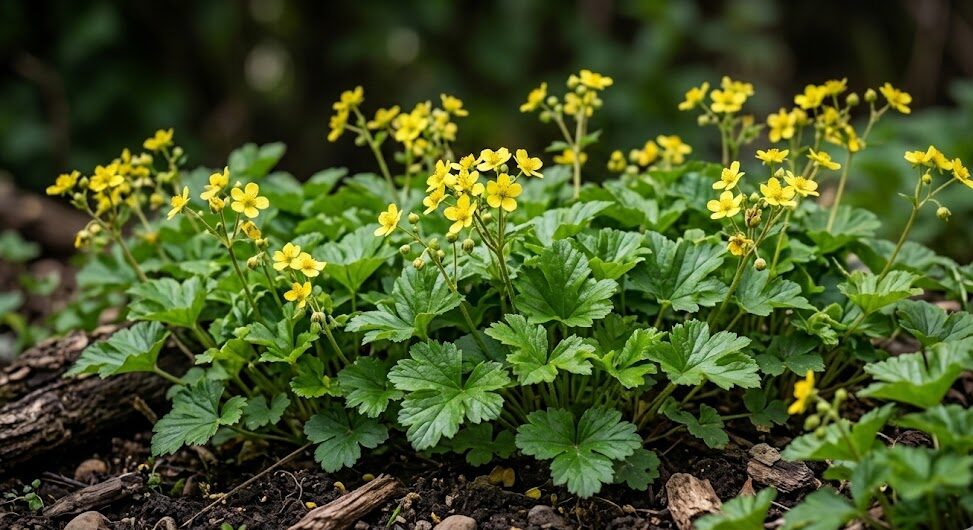

Proper pruning is an essential maintenance task that keeps your groundcover looking tidy, healthy, and vigorous over the long term. You should approach cutting back not as a chore, but as an opportunity to rejuvenate the plants and encourage a fresh flush of beautiful foliage. While this species does not require intensive pruning like a hedge or a rose bush, a few well-timed interventions can make a world of difference in its appearance. By following professional pruning guidelines, you can ensure that your green carpet remains dense and attractive year after year.
Deadheading and cleaning routines
The most frequent type of pruning you will perform is the removal of spent flowers and any damaged or old foliage. You should take the time to “deadhead” the plants after the main flowering period in the spring has come to an end. While this won’t necessarily lead to a second bloom, it does prevent the plant from wasting energy on seed production and keeps the bed looking much neater. Simply use a pair of hand shears or even your fingers to snap off the old flower stalks back to the base of the leaves.
Cleaning up the plants throughout the growing season involves removing any individual leaves that have become yellow, brown, or diseased. You should do this periodically as part of your regular garden walkthroughs to maintain a high level of aesthetic quality. Removing these old leaves also improves air circulation within the plant mat, which is a key factor in preventing the buildup of pests and diseases. A clean planting is much more pleasing to the eye and much easier to manage over the course of the season.
In the late winter or very early spring, you should perform a more thorough cleanup of any foliage that has been damaged by the elements. You should cut back any stems that have been tattered by wind or scorched by the sun to make room for the new spring growth. This early intervention ensures that the plant looks its best when the new leaves and flowers begin to emerge. It is a satisfying task that marks the beginning of the new gardening year and sets the stage for a successful season.
Boundary pruning is also a part of the cleaning routine, as you must keep the runners from creeping into areas where they are not wanted. You should use a sharp spade or a pair of edging shears to cut any stems that have grown over pathways or into other garden beds. This keeps the groundcover within its intended design and prevents it from becoming a nuisance to its neighbors. Consistent boundary management is the easiest way to keep a spreading groundcover looking professional and intentional.
More articles on this topic
Structural pruning and rejuvenation
Every few years, you may find that the center of the planting has become overly dense or that the plants are losing their vigor. You should consider a more intensive “rejuvenation pruning” to stimulate the growth of new, healthy shoots from the base of the plant. This involves cutting back a portion of the older foliage quite significantly, which encourages the remaining plant to produce fresh runners. This process is best done in the early spring just as the first signs of active growth appear.
Thinning out the planting can also be beneficial if the area has become so congested that the individual plants are competing for resources. You should selectively remove some of the older, woodier sections of the mat to give the younger, more vigorous plants more space and light. This creates a more open structure that allows for better air movement and reduces the risk of fungal problems. A well-thinned groundcover is often more resilient and attractive than one that has been allowed to become completely overgrown.
If the planting has become leggy or sparse in certain areas, you can use pruning to encourage a more bushy growth habit. You should pinch back the tips of the runners to stimulate lateral branching, which will help the plant fill in gaps more quickly. This is a great technique for young plantings that are still trying to establish a complete canopy over the soil. A little bit of strategic pinching early in the season can lead to a much denser and more effective groundcover by the end of the year.
Hard pruning is rarely necessary but can be used as a last resort if the entire planting has been severely damaged by disease or a major environmental event. You should cut the entire area back to a few inches above the ground and provide plenty of water and a light fertilizer to support the recovery. While the plants will take some time to grow back, they will often return with more vigor and health than they had before. Trusting in the plant’s natural resilience is part of being a professional and confident gardener.
More articles on this topic
Tool selection and care
Using the right tools for pruning is essential for making clean cuts that heal quickly and don’t introduce disease into the plant. You should invest in a pair of high-quality hand pruners or garden shears that are comfortable to hold and easy to use. For larger areas of groundcover, a pair of long-handled edging shears can save a lot of strain on your back and make the job much faster. Always ensure that your blades are sharp, as dull tools will tear the stems and leave the plants vulnerable to infection.
Cleaning your tools between uses is a critical but often overlooked part of professional garden maintenance. You should wipe down the blades with a disinfectant, such as rubbing alcohol or a mild bleach solution, especially if you have been working on plants that show signs of disease. This simple step prevents the accidental spread of pathogens throughout your garden and keeps your plants healthy. A well-maintained tool kit is a sign of a gardener who takes their work and their plants’ health seriously.
Regular maintenance of your tools, such as oiling the joints and sharpening the blades, will ensure they last for many years and continue to perform well. You should store your tools in a dry place to prevent rust and keep them organized so you can find them easily when they are needed. Taking care of your equipment is an investment in your garden’s success and makes the physical tasks of pruning much more enjoyable. A professional gardener knows that their tools are an extension of their skills and treats them accordingly.
Finally, remember to always wear gloves and appropriate clothing when pruning to protect yourself from scratches and soil-borne irritants. You should also be mindful of your posture while working close to the ground to avoid unnecessary strain on your body. Taking care of yourself is just as important as taking care of your plants, and it ensures that you can continue to enjoy your garden for many years to come. With the right tools and a careful approach, pruning becomes a rewarding and effective part of your overall gardening strategy.