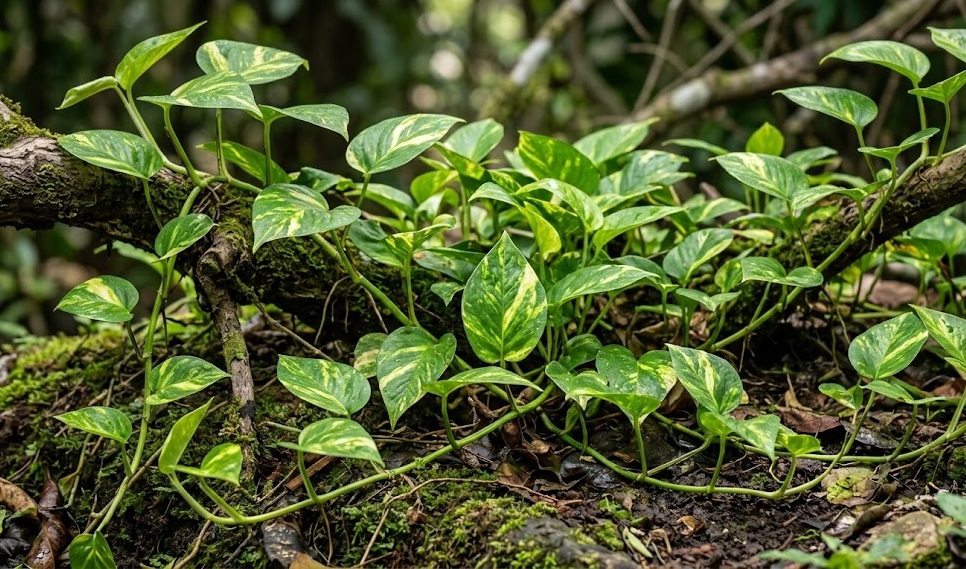

Pruning is an essential maintenance task that helps you control the shape, size, and density of your golden pothos vines. While it may feel counterintuitive to cut back a plant you are trying to grow, regular trimming actually stimulates new growth and prevents the plant from becoming thin and leggy. By removing the tips of the vines, you encourage the plant to activate dormant buds along the stem, resulting in a bushier and more professional appearance. It is a simple technique that allows you to customize the plant to fit your specific aesthetic and space requirements.
You should always use a pair of sharp, sterilized scissors or pruning shears to ensure clean cuts that heal quickly and minimize the risk of infection. Dull blades can crush the delicate vascular tissue of the stem, making it harder for the plant to transport water and nutrients to the remaining foliage. Before you begin, take a moment to step back and look at the overall silhouette of the plant to decide which vines need the most attention. Identifying the areas that are becoming sparse or too long will help you create a more balanced and attractive display.
The best time to perform heavy pruning is during the active growing season of spring and summer, when the plant has plenty of energy to recover and produce new shoots. However, you can certainly do light maintenance and remove dead or yellowing leaves at any time of the year to keep the plant looking its best. When you make a cut, aim for a spot about a quarter-inch above a leaf node, which is the point where a leaf meets the stem. This is where the new growth will emerge, so your placement of the cut determines the future direction of the vine.
Don’t let the trimmings go to waste, as the sections you remove are perfect for starting new plants through propagation. Each piece of stem with a node can be rooted in water or soil, allowing you to expand your collection or share the joy of gardening with friends and family. This makes pruning a truly productive activity that benefits both the original plant and your future indoor garden. With a bit of practice, you will find that pruning is one of the most effective tools in your gardening repertoire for maintaining a lush and vibrant golden pothos.
Techniques for shaping and densifying the vine
If you want to create a fuller plant at the top of the pot, you should focus your pruning on the longest vines that are trailing downward. By cutting these back significantly, you redirect the plant’s energy toward the center of the root ball, encouraging new stems to sprout from the soil level. This prevents the “bald” look that can sometimes occur in older specimens where all the growth is concentrated at the ends of the vines. Over time, this consistent topping results in a dense canopy of heart-shaped leaves that completely hides the potting medium.
More articles on this topic
For those who prefer a climbing display, pruning can be used to guide the vines along a moss pole or trellis in a more organized fashion. You can trim away any side shoots that are growing in the wrong direction, allowing the plant to focus its resources on upward expansion. This technique creates a cleaner, more architectural look that is perfect for modern interior designs and professional office spaces. Regularly nipping the very tip of a climbing vine will also encourage it to branch out laterally, filling in any gaps on the support structure.
Managing the length of your vines is also a practical consideration if you have your pothos on a high shelf or in a hanging basket. Without intervention, these plants can easily grow to ten feet or more, which can become a tripping hazard or start to interfere with furniture and other plants. You should aim to keep the vines at a length that allows them to cascade gracefully without becoming unmanageable or messy. A regular trim every few months is usually enough to keep the growth under control while still enjoying the beauty of the trailing foliage.
When you encounter a vine that has lost several leaves near the base and looks like a bare “string,” the best course of action is often to cut it back quite hard. While it may look drastic initially, removing the leggy growth allows the plant to start fresh with a new, healthy stem that will be much more attractive. You can even chop the bare vine into several small pieces for propagation, ensuring that no part of the plant’s effort is wasted. This process of renewal is a natural part of caring for long-lived indoor plants like the golden pothos.
Tool maintenance and professional finishing touches
Keeping your pruning tools clean is a non-negotiable part of professional plant care that prevents the spread of diseases between your greenery. You should wipe your blades with rubbing alcohol or a dilute bleach solution before and after working on each plant in your collection. This simple step ensures that if one plant has a hidden fungal or bacterial issue, you don’t accidentally transfer it to your healthy specimens. Taking care of your tools also ensures they stay sharp and functional for many years of successful indoor gardening.
More articles on this topic
After you have finished pruning, you might notice a small amount of clear sap dripping from the fresh cuts, which is completely normal for this species. You can gently dab the ends with a paper towel if the dripping becomes messy, but the plant will naturally seal the wound within a few hours. It is a good idea to avoid watering the plant immediately after a heavy pruning session to allow the vascular system to stabilize and focus on healing. Give the plant a day or two of rest in its usual spot before returning to your regular maintenance routine.
The visual impact of a freshly pruned plant is often immediate, as the removal of damaged or overgrown foliage allows the remaining leaves to shine. You should take the opportunity to wipe down the remaining leaves and check the overall health of the plant while you are already working closely with it. This holistic approach to maintenance ensures that your golden pothos remains a vibrant and healthy centerpiece in your home. Your dedication to these small details is what separates a casual hobbyist from a truly expert indoor gardener.
In conclusion, pruning and cutting back your golden pothos is a rewarding practice that ensures the long-term beauty and health of the vine. By understanding the growth habits of the species and applying these expert techniques, you can shape your plant into a stunning vertical or trailing display. It is a process of collaboration between you and the plant, where your guidance helps it express its full potential. Enjoy the rhythmic nature of this task and the lush, green results it brings to your living environment every season.